

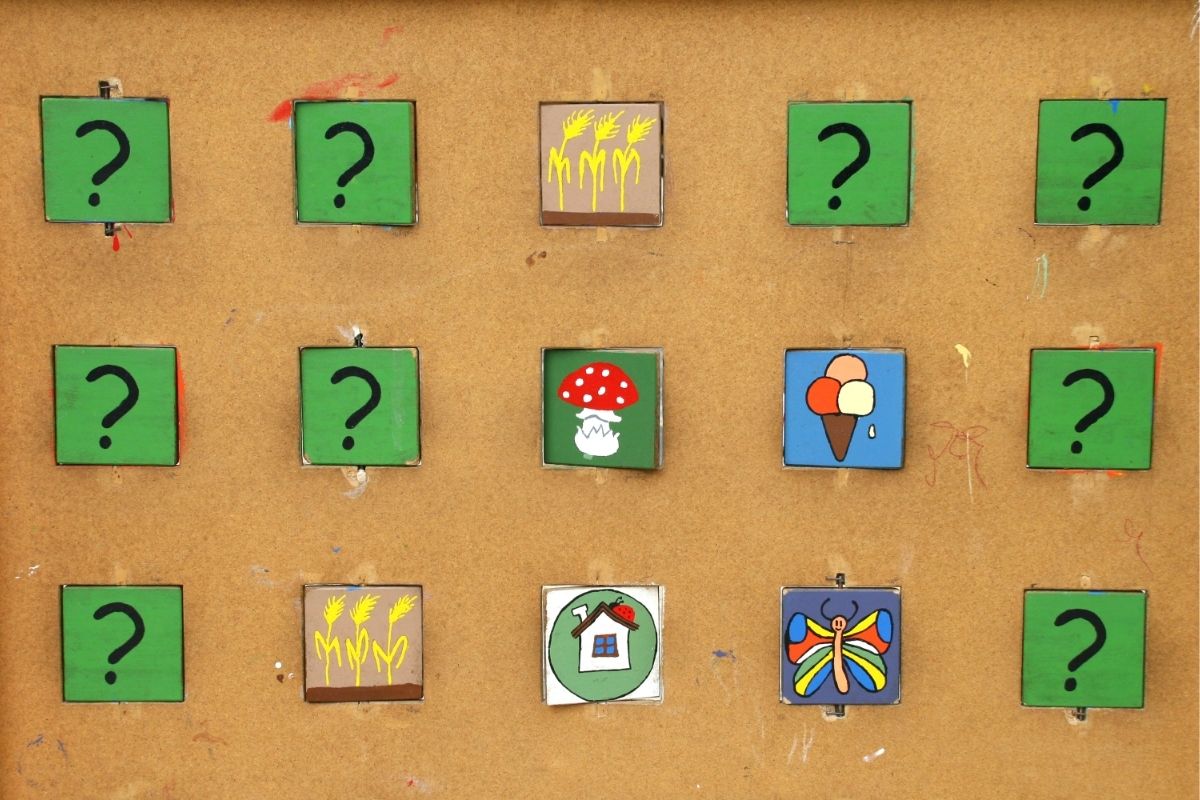
If we stop and think about it, we rely on our memory every minute of every day. For farmers, who handle many details in a day to keep everything running smoothly and safely, memory is especially crucial. And so, we’d be wise to do all that we can to safeguard our memory even as we age.
The experts tell us that the creation of memories is complex, involving many different parts of the brain. One way they classify memory is into working and long-term memory. Working memory is whatever is held in your consciousness right now. This type of memory is short-lived, lasting only 15-30 seconds and is limited to approximately seven things. Many factors such as emotion, sleep, stress and context have an impact on whether or not short-term memories are encoded and stored with the potential to be recalled later.
Fortunately, whether we are young or old, Dr. Myra Fernandes, a faculty member of Cognitive Neuroscience in Psychology at the University of Waterloo, says there are strategies for improving memory.
Read Also

Farm & Family – March 27 edition
Trust, teamwork and resilience: three ingredients every farm family knows they need to run a farm. But wait until you…
One way to make information more memorable is to construct a story about it or create a relationship between the words or things you are trying to remember. HOMES, for example, is a mnemonic to help remember the names of the Great Lakes (Huron, Ontario, Michigan, Erie and Superior).
Another trick is what Fernandes and other memory experts call the “production effect.” Saying the items that you are trying to remember out loud as you go about your day or writing them down will make them easier to remember.
Another strategy is the Drawing Effect. If you’re trying to remember a new procedure Fernandes recommends saying it out loud but also imagine a picture of it in your mind’s eye or draw a sketch of it. Keeping a diary is helpful for retrieving memories and a sketch diary is even better, she says. “As they say, a picture is worth a thousand words. This boosts memory more than any other technique and even works for those living with dementia.”
Carrying out a related motor action to strengthen muscle memory is another effective method for improving retrieval, continues Fernandes. “And if these three techniques are used together, that is, if you say it out loud, draw a picture and carry out a motor action, the amount you retain is increased by 30-50 per cent.”
Environmental clues can also be used to improve memory and recall. If you note that you parked your car by the stop sign, for example, Fernandes explains that you will have an easier time remembering where your car is. Paying attention to what you want to remember is a simple but often overlooked step in this busy world. She says that if you are distracted because you are on your phone you’ll be less likely to remember where you parked.
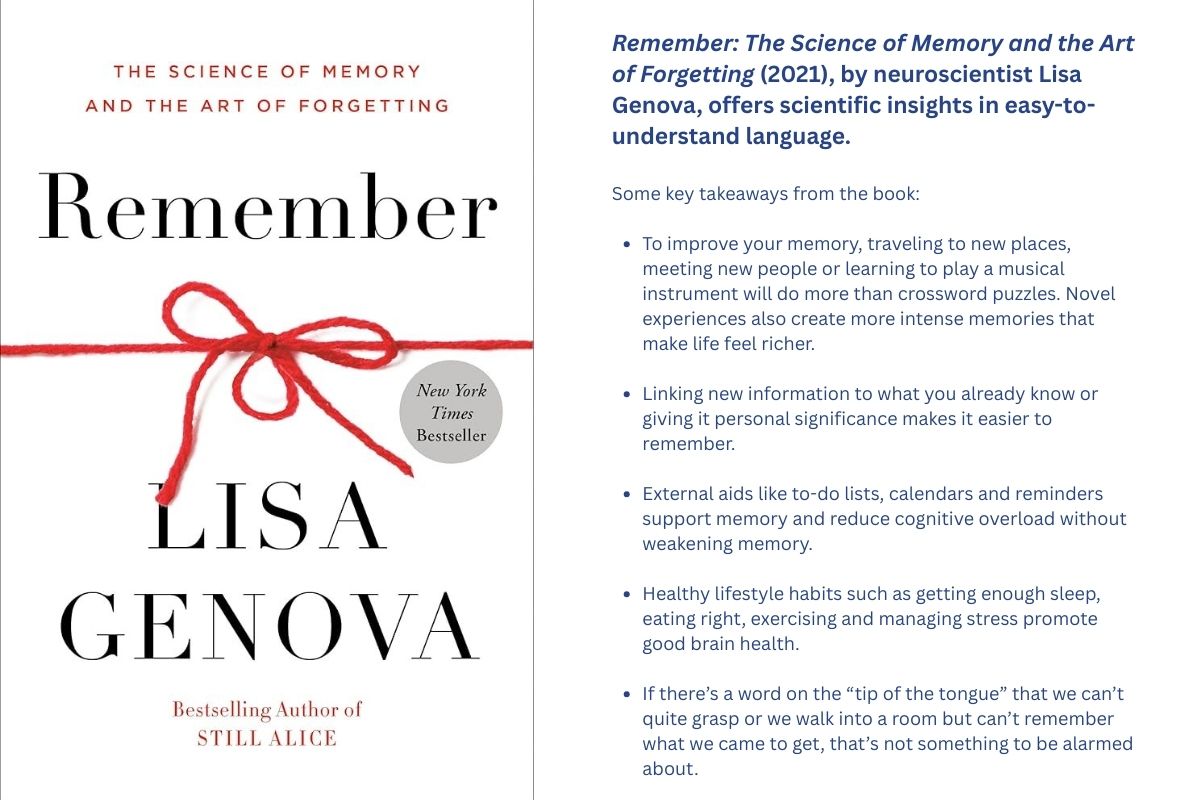
While our brains are remarkable they are not very good at “remembering what we have to remember” like tasks in the future. Being organized, provides a system where the brain and memory can work better and be more successful, says Pam Paquet, a Chilliwack, B.C. therapist and executive coach. However, no two people are the same so the system needs to recognize and acknowledge individual personalities.
“People need to do what works for them and the level of organization that they want.”
Paquet regularly works with managers and executives to help them improve memory and cognitive function. She says emotions and stress are often the culprit.
“When people are in a heightened state, problem-solving, concentration, focus and memory are all somewhat impaired. Sometimes tackling the stressors which affect emotional regulation is needed to help cognitive functioning.”
Self-care, regular exercise, eating a healthy diet and getting plenty of sleep “are not a guarantee but the minimum basics to put the odds in your corner,” says Paquet. Unfortunately, she says self-care is difficult for many people because they can’t define it for themselves or they don’t take the time to implement it.
Paquet adds that giving the brain breaks by practicing mindfulness and meditation is also useful. Carey-Ann Oestreicher, a certified leadership coach in Oakville, Ont., has personally experienced the benefits of mindfulness and meditation for improving memory and other cognitive abilities.
Fourteen years ago she suffered a serious brain injury and was introduced to mindfulness during rehab. It was life-changing, she says. “Mindfulness grows your capabilities, helps you to be open to innovation and gives you peace of mind.”
She admits that if she hadn’t experienced the benefits of mindfulness and meditation first-hand, she probably would have thought it was “too out there.” Her positive experience is also backed by research. She says researchers have found that mindfulness grows the grey matter in our brains, especially the prefrontal cortex that’s responsible for focus, clarity, decision-making and short-term memory.
These tools also helped her to be resilient when her husband died of cancer a few years later at the age of 46, leaving her the sole parent of two young children. She now coaches executives, entrepreneurs and farmers on both the traditional elements of leadership as well as “mindfulness, clarity of mind and ‘groundedness’ in the midst of stress and uncertainty.”
Growing up in small town rural Ontario and coming from a long line of farmers, Oestreicher has witnessed the many moving parts farmers must navigate on a daily basis, many of which are out of their control. She says mindfulness and meditation are useful tools for better managing the anger, fear and frustration that result when things aren’t going well.
She explains that mindfulness is the ability to be present in the moment and helps prevent anxious thoughts about “what if…?” Meditation is a tool that can get you into a mindful state. “It is an activity where one often focuses on their breathing as a way to calm the nervous system and ground them.”
When you feel frustrated, Oestreicher explains that “stress takes your brain for a wild ride for 90 seconds, decreasing your ability to make good decisions.” When this happens, her advice is to “feel what you’re feeling” but then you always have a choice as to where you go from there. “Avoid the temptation to make up storylines about who did what which works us up further and takes us from the grounded place we want to be in.”
Instead, she suggests getting into mindfulness. “Do some deep breathing. Go outside and connect with nature. Maybe take a fast walk to get rid of some energy. That’s when the solutions come that you wouldn’t have had.”
Click here to watch a brief meditation demonstration with Carey-Ann Oestreicher.