

Farmers are up against an era of unparalleled volatility, but they aren’t entirely powerless to mitigate some of the risks.
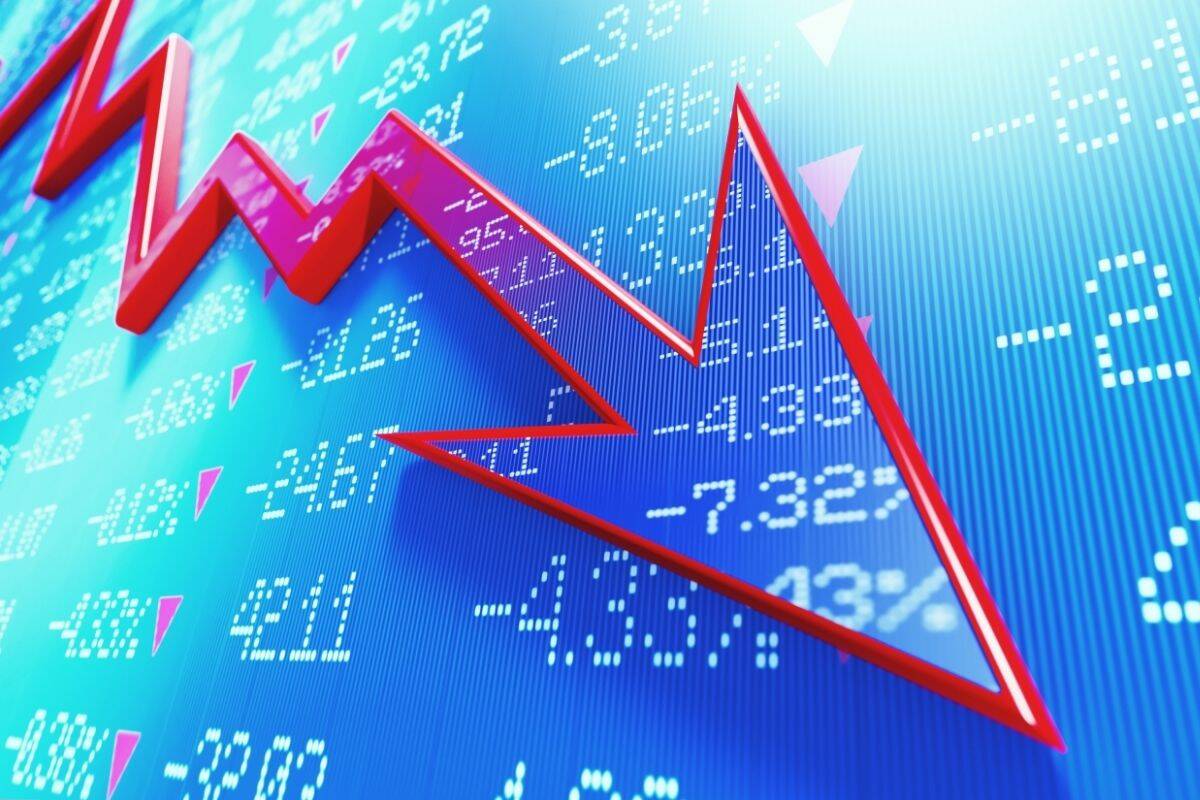
“Both the market and policy volatility are unprecedented since at least (the) Second World War. It is not only unprecedented for Canada, but for the world,” says Larry Martin, principal of Dr. Larry Martin & Associates, an agri-food consulting firm.
Market influences
Read Also
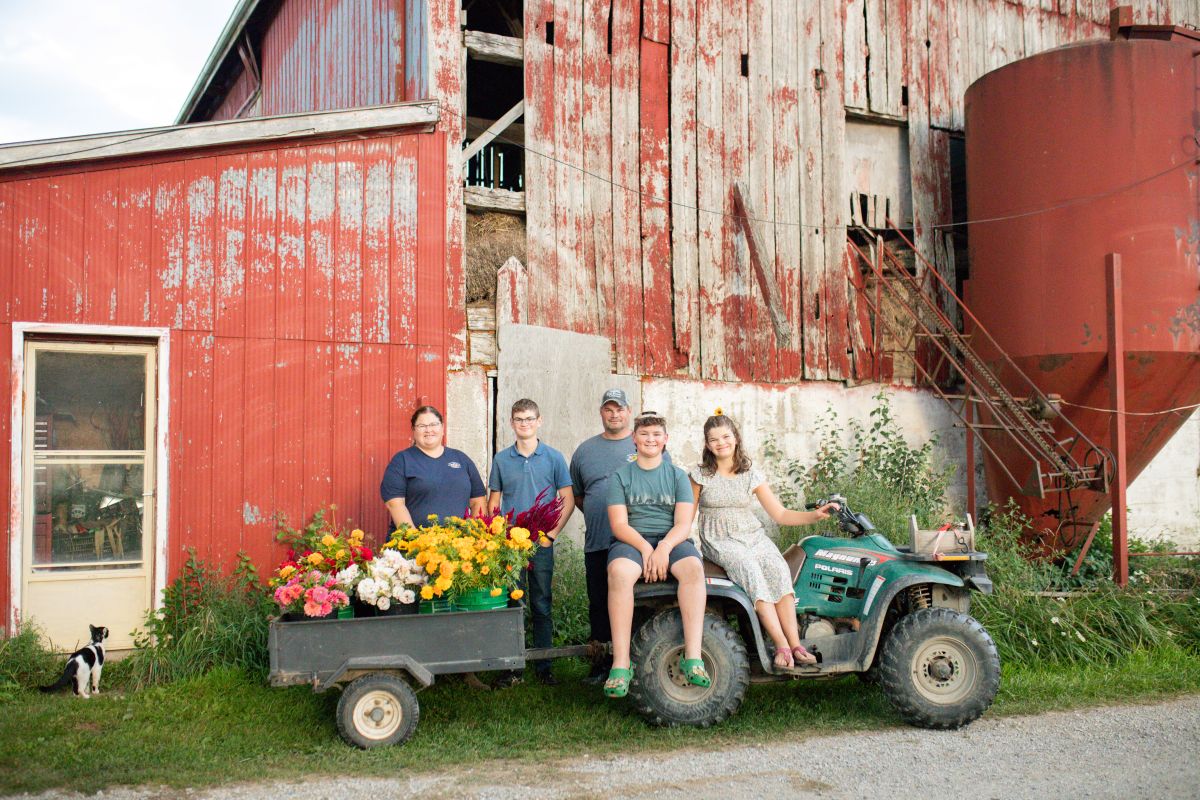
Ontario flower farm keeps growing even among uncertainty
How one Ontario flower farm learned hard — and quick — lessons in adaptability and resilience.
In a chart showing monthly ranges of U.S. corn futures contract prices since 1974, Martin points out larger differences from the peaks to the troughs during periods over approximately the last 15 years. Variations within a month are larger as well.
“This is a major part of the more volatile environment in which farmers operate,” he says, but notes that there remain periods of time — such as 2013 to 2020 — when they stabilize again. “We can put any commodity chart up and get a similar result.”
Martin cites increasing incomes of populations around the world as a major cause of market volatility, as well as a trend to trade commodities on a just-in-time basis.
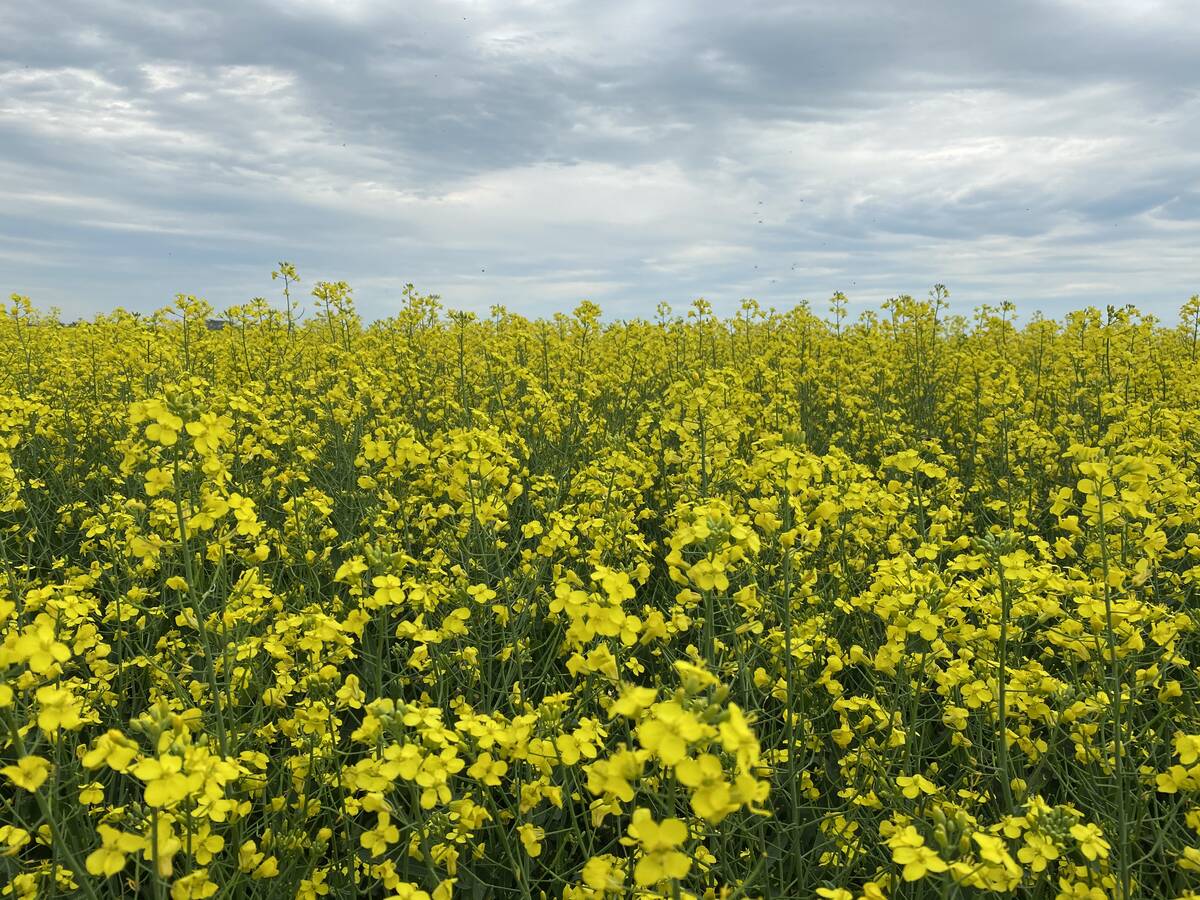
The variation in canola prices over the last five years shows significantly greater volatility for farmers, according to Derek Brewin, professor and head of the University of Manitoba’s agribusiness and agricultural economics department.
He notes canola started in a trough around $450 per tonne ($10.23 per bushel) in the summer of 2019. It then climbed up to $1,200 per tonne ($27.27 per bushel) in May 2022. It’s moved around a lot since then, but generally on a downward trend until recently, Brewin says.
“But volatility does not always suggest an equal chance for devastating troughs and bonanza price spikes,” he says. “As a storable good, most grains and oilseeds see persistent price floors.”
If prices fall too low, buyers start to worry that producers will switch their land to other uses, Brewin says.
“But we occasionally see large crop failures on larger areas — North America in 2021 — and we get concern(ed) about supplies that identify consumers willing to pay much more than they normally do when they are just attracting supplies from the least demanding buyer that sets that floor price over time.”
Brewin says that the low prices of the summer of 2025 represented net losses to the average Manitoba farmer, and that current prices likely are a major relief. Drought concerns could send prices rising again, but a bumper crop could push them back down to last year’s lows, he says.
Crop price spikes damage livestock in the opposite direction, Brewin says.
“Every crop price spike represents a cost spike to the feed sector. I think they face a floor much lower than crops — especially if the herd is on a shrinking trend,” he explains. “When herds are shrinking, it represents a number of farmers forced out of business. We have not seen cropland abandoned the way beef herds have been dropping.”
Broken trade rules
Governments breaking trade rules they’d previously agreed to are also contributing to price volatility.
“Government actions are caused by politicians who either don’t understand or don’t care about the consequences of their actions,” Martin says.
He says countries agree to rules under the WTO and then break them, pointing to India as a notable offender “opening up trade when prices are high, then closing it when they fall. Canadian pulse growers felt that one.”
Canada is not innocent, nor is the U.S. — even before Donald Trump returned to the Oval Office.
“Biden and Trudeau broke all the rules on dumping when they shut off Chinese exports of steel, aluminum and EVs,” Martin says.
The Donald, however, takes rule breaking to another level: “Trump does it virtually every day,” he says.
War, fuel and fertilizer
Trump joining Israel to attack Iran only added rocket fuel to an out-of-control tire fire.
“The Iran war is unfolding against a global trading system already strained by Trump’s tariff,” said global financial institution ING.
S&P Global Inc., the parent company of S&P Global Ratings (previously Standard & Poor’s), said the war raised “farm-to-fork food inflation risks on fuel, freight, fertilizer disruptions.”
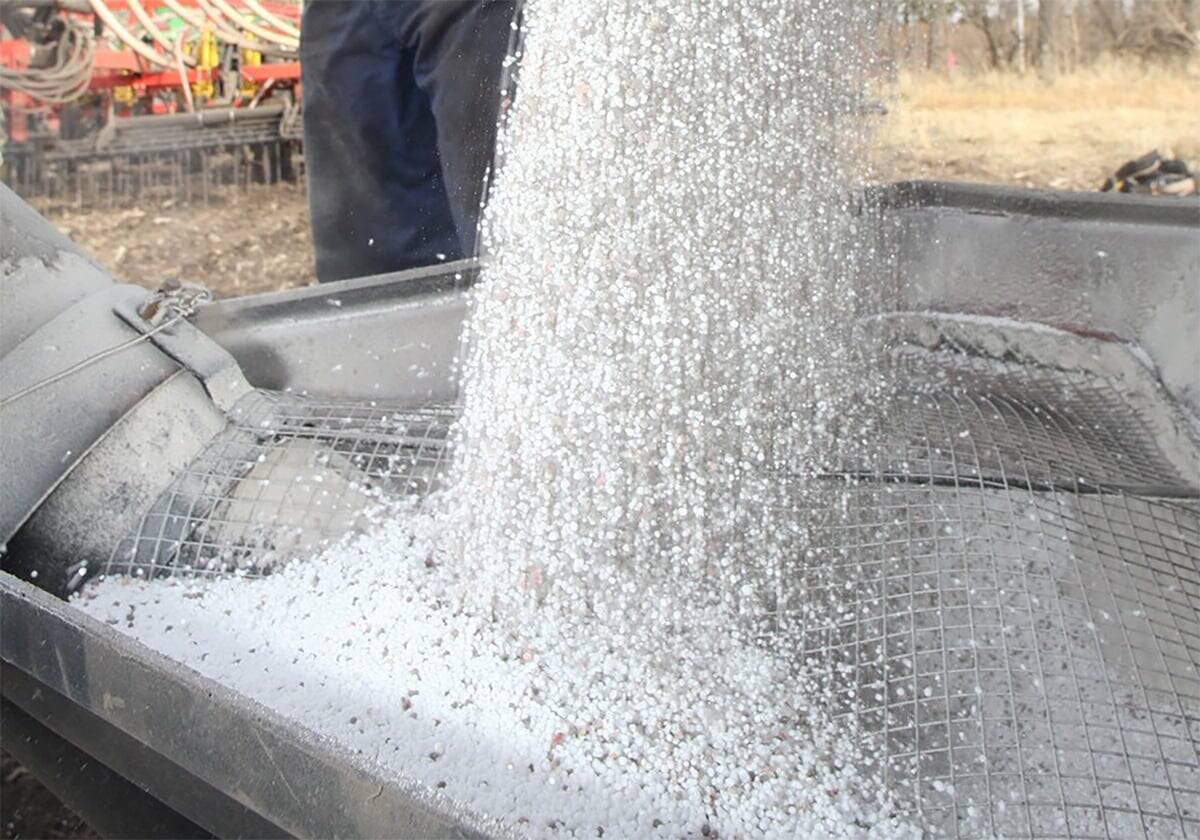
As Laura Rance-Unger noted in her piece, “Iran war catches Prairie farmers in the geopolitical crossfire — again”, over 40 per cent of a grain farmer’s annual operating costs go to fertilizer and fuel, and the conflict has made a war zone out of the Strait of Hormuz, where about 20 per cent of the seaborne oil and up to one-third of global trade in urea passes through.
The effects on fertilizer purchases
Through anecdotal information he’s gathered from discussions with Manitoba input retailers, provincial farm management specialist Darren Bond has found 80 to 85 per cent of Manitoba producers have either purchased their fertilizer prior to the fighting or locked in the price, thus insulating them from the price increases associated with the Mideast conflict.
“However, the impact will most likely be felt in the fall 2026 fertilizer application period, especially if the conflict drags out for a longer period of time,” warns Bond.
Another risk is that producers won’t buy fertilizer this autumn in the hope prices will decrease over the winter, and delay application until spring 2027.
“This could severely stress the supply network, potentially causing supply issues,” Bond says.
Another risk is farmers slashing fertilizer applications due to high prices.
“Broad-based cuts to fertilizer could result in disappointing crop yields. That’s why it’s very important to soil test and apply appropriate amounts of fertilizer,” Bond emphasizes. “Protecting yield will be what pulls many producers successfully through these tighter times.”
The effects on investment and growth
Global volatility and uncertainty make it much harder to undertake business forecasting and cause more volatility in production margins, which thereby make debt servicing riskier, Martin says.
“More volatility in prices, margins and incomes means people will likely invest less and growth will slow,” he says.
This can come from either internal or external capital rationing: internally when producers feel they need a higher return on capital before investing because of the extra risks; externally when lenders or equity partners go through the same analysis and decide to extend less capital, Martin explains.
“It also results in much more mental and emotional stress, which can affect decision-making,” he adds.
What else can farmers do?
Among the ways farmers can help themselves is to become ever more savvy with modern farming contracts.
“Without the CWB, grain companies are increasingly able to take more advantage of farmers by offering inferior contract terms, duration, price, blending, etc.,” says James Nolan, a professor in the department of agricultural and resource economics at the University of Saskatchewan. “What this means is that in the post-CWB era, I wonder if farmers should also be taught how to negotiate over contracts, which is a skill unto itself that can be improved through exposure and teaching — which we really don’t do.”
Another area for farmers to concenrtate on: staying well informed about world events that can affect their margins.
“The world is now so well connected that farmers can no longer rely on local or regional information to support their decisions,” Nolan says. “They need to try to stay current with global news and try to stay ahead of all business reports that can be reasonably and logically tied to future demand for foods and commodities.”
He concedes that can be a lot of information to process “pushing the farming industry even more towards larger and more complex operations in equilibrium.”
“We still don’t really know what comprises the minimum efficient scale for Prairie farming. Right now, I wonder if this level of cost minimization for commodity farming now lies well beyond 25,000 acres,” Nolan says.
Finally — if possible — build a financial portfolio that includes the stocks of so-called “opponents,” such as railroads and/or grain companies, he says. Why not hedge your risks by supporting the business entities that share the pie with you, he asks.