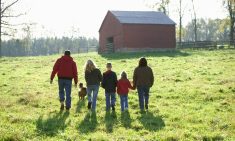



The final instalment in a six-part series exploring the challenges of sibling conflict and the effect it can have on the farm.
Two generations are currently working together on the Smith family farm.*
Read Also

Farm & Family – March 27 edition
Trust, teamwork and resilience: three ingredients every farm family knows they need to run a farm. But wait until you…
An intense pride in generational legacy has been passed down through the farm’s long history. Everyone shares the same love and appreciation for the family farm.
Succession planning has slowly progressed for the family, and the siblings find themselves at a crossroads about what direction they should take the farm. The youngest, Jenn, doesn’t want to commit to farming yet. Sabrina wants to pursue an off-farm job and the two eldest, Rick and Macy, want to take over the farm but need to find a way to make it financially feasible to sustain multiple family members.
On top of the challenges of succession planning, there’s an underlying current of pressure to keep the farm operational for the next generation.
Darrell Wade, founder of Farm Life Financial Planning Group and a farm succession specialist, says that for many families the farm can represent a shared family legacy that can inadvertently tie the family, and especially the next generation of siblings’ identities, to the land.
“Such emotional weight can intensify conflicts, where disagreements about the farm’s direction can feel like personal betrayals or challenges to family heritage,” he says.
Wade suggests that these four siblings should first recognize the emotional and cultural value of each other’s connection to the farm.
“Each may have different feelings or loyalty to the farm and, whether or not they are involved in the day-to-day operations, they may still be invested in the farm’s future,” says Wade. “I recommend including non-farming siblings in legacy decisions, such as preserving family traditions or land use.”
He says that roles for non-farming siblings can also be created to maintain their stake in the family legacy, for example, managing community outreach or maintaining historical records.
“I’m a firm believer that everyone should be involved in the succession plan, no matter if they are active in the farm business or not,” Wade says. “In this case, planning meetings should make space for discussions about how to maintain the farm legacy without assigning roles or responsibilities to select siblings. Conversations should be open and honest and without pressure from others.”
Wade also recommends designating time or space for non-work or non-farming interactions to maintain positive sibling relationships outside of farm duties, farm management or succession planning discussions. “These can be as simple as family dinners or attending community events.”
* This family and case study are fictional.
To read previous instalments in this series:
Part 1: Sibling issues in farm succession
Part 2: Tips for how to be fair to all siblings during farm succession
Part 3: The big squeeze
Part 4: Financial disagreements
Part 5: Generational differences