In March 2020, Janis Harris finally took the leap. After more than a decade of slowly building a flower-growing side business, she left her job as an optician to run the farm full time.
Weeks later, the COVID-19 pandemic shut the world down.
Instead of the fresh start she had imagined, Harris found herself navigating cancelled events and markets, shifting demand and an uncertain future. The experience became an unexpected crash course in resilience, and one that continues to shape how she runs her farm today.
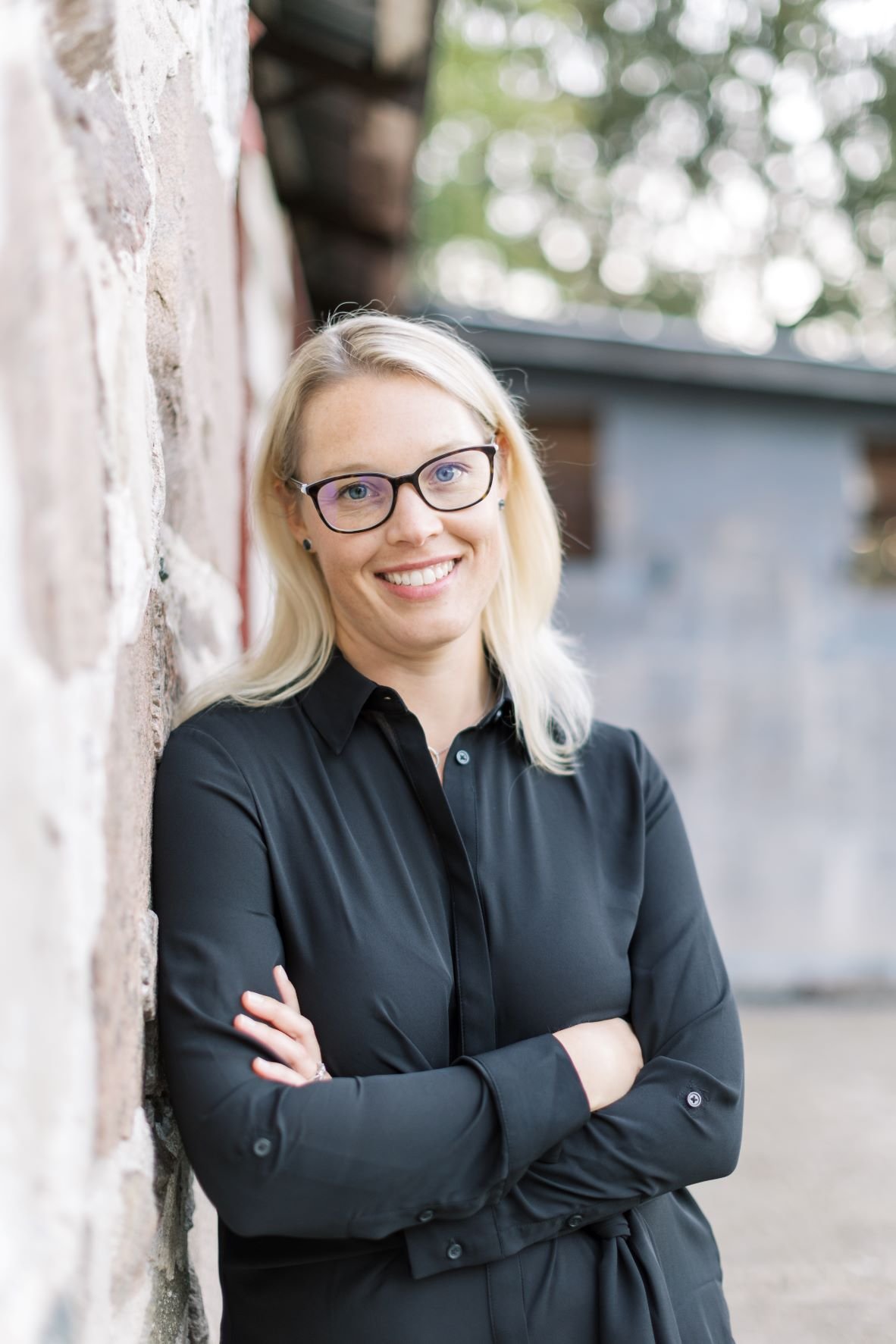
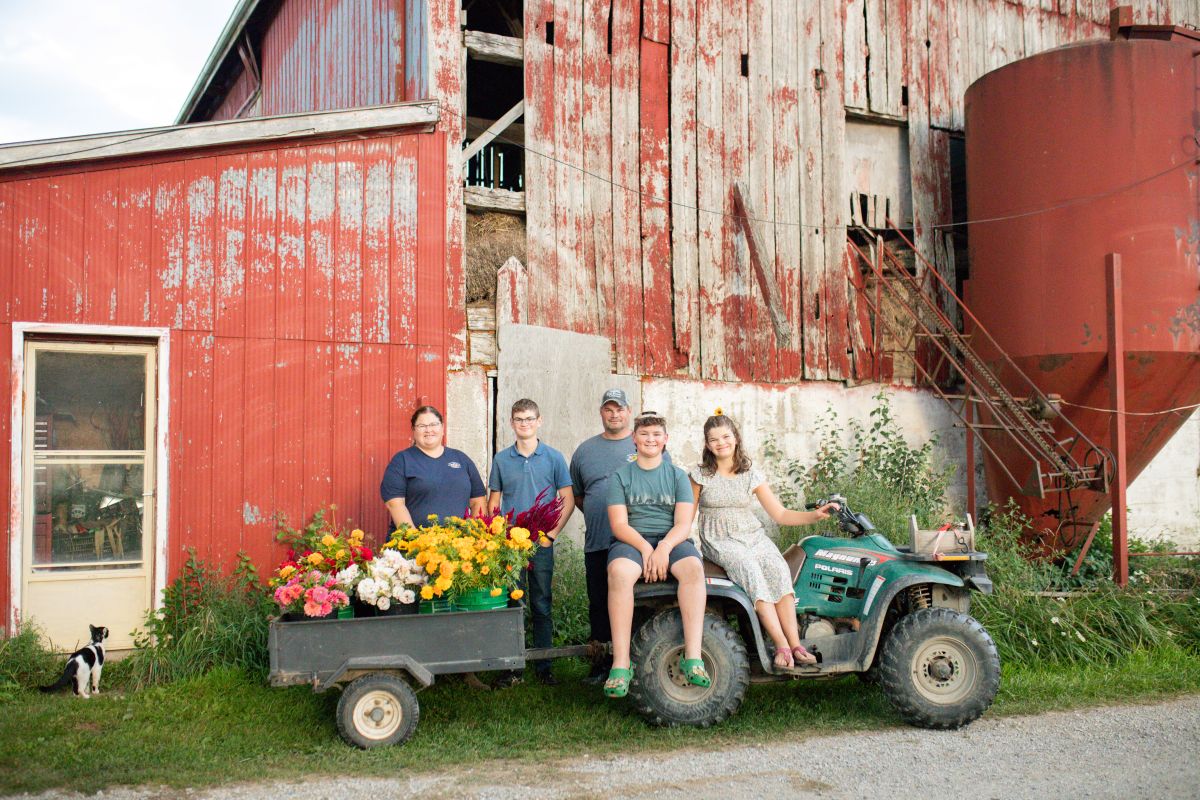
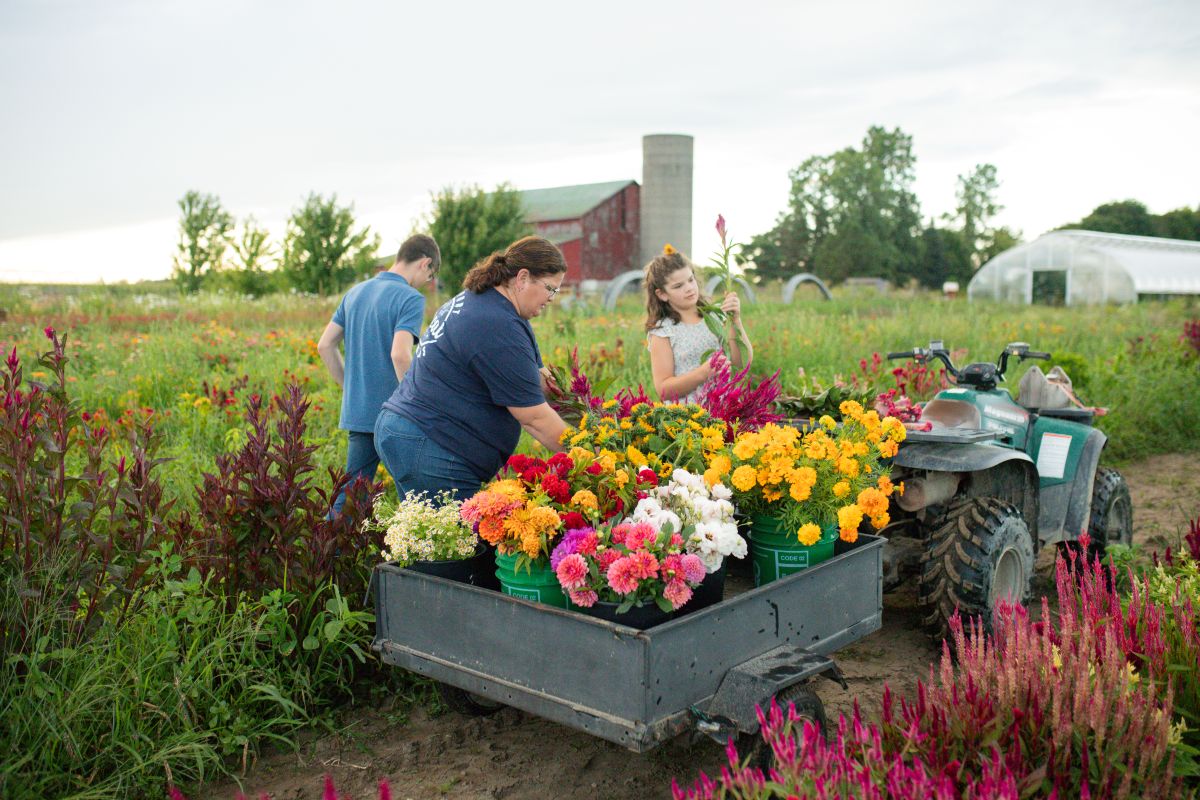
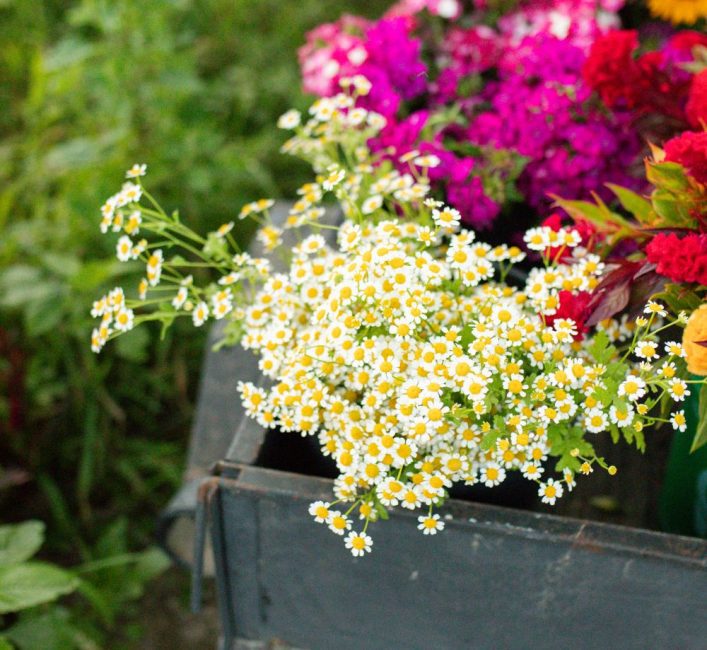
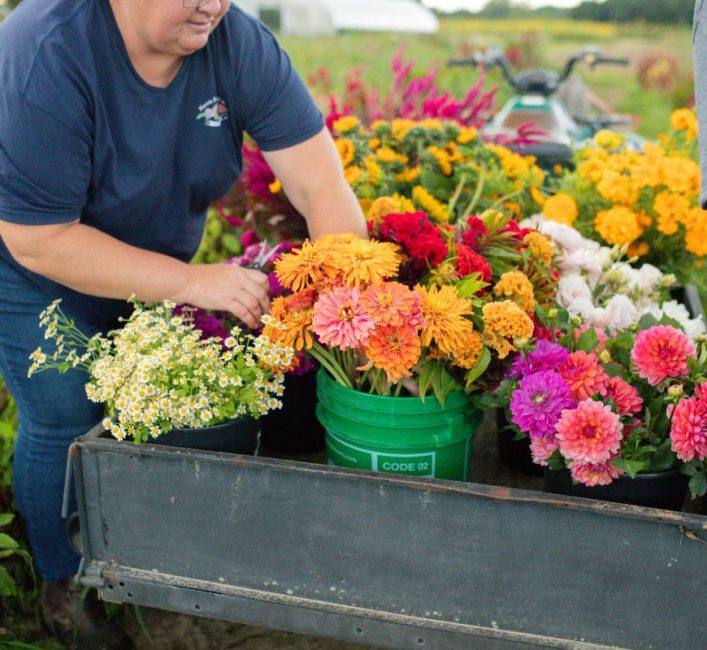
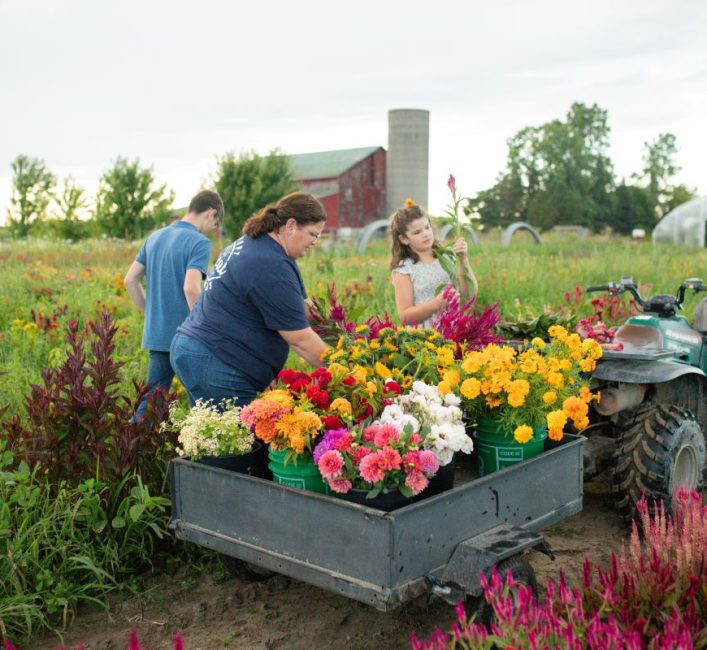
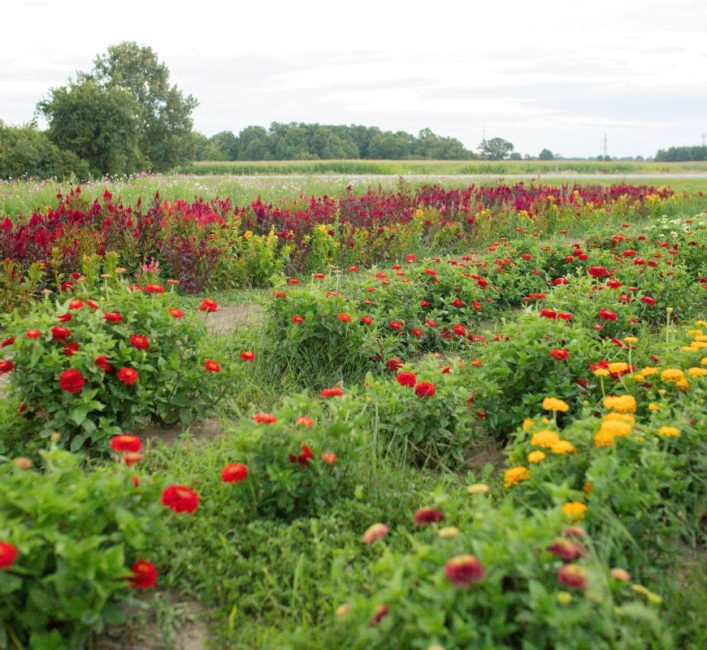
Harris and her husband, Mark, own Harris Flower Farm, a fresh-cut flower operation located north of St. Thomas, Ont. Together they grow more than 40 varieties of flowers, including bulbs, annuals, perennials and flowering branches. Today the farm supplies seasonal cut flowers for farmers markets, online customers, weddings and local events from mid-February through December.
“In the beginning we started small by planting 3,000 gladioli bulbs,” Harris says. “Over time, we’ve expanded to nearly eight acres of flowers, along with a series of heated and unheated greenhouses.”
“A lot of things are out of our control, but there are always opportunities.”
Janis Harris
Before the pandemic, Harris sold most of her flowers through an on-farm flower cart, roadside stands and local farmers markets. She also provided arrangements and bouquets for weddings and had begun building a seasonal flower subscription.
ADVERTISEMENT
But when COVID-19 hit, Harris, like many farmers and small business owners, had to rethink her entire business model. The lessons she learned, from diversifying sales channels to building stronger connections with fellow flower growers, are now helping her navigate a new era of political and economic uncertainty.
Farming in an uncertain environment
When shutdowns began in the spring of 2020, the timing couldn’t have been worse for a flower farm. “At the time, I had 25,000 tulips blooming in mid-March and nowhere to sell them,” Harris says. “I also had 30 weddings booked, and every one of them postponed to a later date.”
Harris knew she had two choices: close her doors and wait out the uncertainty while her flowers went to waste or get creative. She chose the latter.
Determined to find new markets for her blooms, Harris began exploring alternative sales channels. At the same time, she reached out to commercial flower growers who had lost their markets entirely when events and retail outlets shut down.
ADVERTISEMENT
By partnering with fellow growers, Harris was able to combine her flowers with a wider variety of blooms to create affordable bouquets. She called them “cheer bouquets” and sold them at her local grocery store and through her website, offering local delivery. The response was immediate.
Each time Harris posted a new batch online the bouquets sold out within minutes. It quickly became clear that during a time of isolation and uncertainty flowers had taken on new meaning for many people.
The cheer bouquets not only helped Harris move her own flowers but also supported other growers. She featured the farmers from whom she sourced flowers on her social media channels, sharing their family photos and stories to raise awareness about the flower industry and the people working behind the scenes to keep it going through the pandemic. “I saw it as an opportunity to help my customers understand where flowers actually come from and who they are supporting when they purchase local, Ontario-grown flowers,” explains Harris.
Today, e-commerce represents 25 per cent of Harris’s business. She says that while she felt forced to move her business online during the pandemic, she quickly saw the value of the opportunity and has continued to build her online presence. “Today we are our own little flower shop,” says Harris. “Orders come in from all over the world, and we’ve expanded to serve events like funerals and birthdays.”
Despite the uncertainty and business challenges, 2020 turned out to be a great sales year for Harris because of the pivots she made. In addition to her new online sales channel, she was able to maintain her flower cart sales and even opened the farm up to welcome customers. On Mother’s Day weekend, cars lined the road leading to the farm as visitors waited their turn to enter, some for nearly an hour, to purchase flowers. Later that summer she also opened up the farm to visitors to purchase flowers and walk through the flower fields.
ADVERTISEMENT
“We needed to figure out how to sell our flowers,” Harris says. “But in the process, we built a whole new customer following and gave people a chance to get outside and experience a little joy during a very difficult time.”
Photo: Supplied / Harris Flower Farm
Adapting the farm’s business approach
The pandemic forced Harris to adapt quickly, but the lessons didn’t end when restrictions lifted. Today, as farmers and business owners face rising costs and ongoing economic uncertainty, many of the strategies she developed during that uncertainty are still guiding how the farm operates.
“I quickly learned that I can’t have all my eggs in one basket,” she quips. “I need multiple revenue streams and different ways to market my flowers. I also learned the importance of continuity and consistently showing up for customers who appreciate the stability and know they can rely on me.”
ADVERTISEMENT
Harris says one of the biggest lessons from the pandemic was how much people value connection. “That’s something the pandemic really taught us,” she reflects. “And what better way to connect with someone than with flowers, or a visit to a flower farm?”
While interest in flowers and locally grown blooms surged during the pandemic, Harris says she’s uncertain how the current economic climate may affect sales this year. Drawing on lessons from that time, she’s already preparing to adapt by offering smaller, more affordable bouquets for customers watching their spending this year.
“I still need to sell flowers and maintain profitability, but if I can find ways to continue providing flowers to our customers, I will,” she says. Harris adds that she’s already ordering tulips in bulk to help keep costs down and plans to offer mixed bouquets with fewer premium blooms to keep the price of the flowers manageable for her customers.
Tariffs are also weighing on Harris and cutting into her bottom line. While she has shifted to sourcing as much as possible from Canadian suppliers, including plant plugs from New Brunswick instead of the U.S., some materials still need to come from south of the border. Between tariffs and the exchange rate, her margins are being squeezed.
Harris says she’s also drawing on lessons from the pandemic to become more resourceful on the farm. She’s saving more flower seeds to reduce her reliance on U.S. suppliers and looking for additional ways to control costs.
ADVERTISEMENT
One of Harris’s ongoing challenges is learning when to say no. As a young farmer, especially while navigating the pandemic, she felt pressure to say yes to every opportunity to keep the business afloat. Now, however, she’s approaching the farm with a renewed focus on long-term sustainability. That means building a more manageable workload while still staying flexible and responsive to customers.
Six years after the world shut down, Harris still doesn’t know exactly what each season will bring. But she says the pandemic changed the way she approaches uncertainty and gave her confidence that whatever comes next the farm can adjust and keep growing.
“A lot of things are out of our control, but there are always opportunities,” Harris says. “Like any farm, there are good years and bad years. In the end, it all balances out, even during a global pandemic or economic uncertainty.”
Newsletter Sign Up - Stories about strategic business thinking and farming success
You'll receive profiles, case studies and strategy from modern farming in Canada, delivered to your inbox 6 days a week!
About The Author
Jeanine Moyer
Jeanine Moyer is an agricultural writer and communications specialist, and owner of Barn Door Communications. She has a Bachelor of Commerce degree in Agriculture Business from the University of Guelph and is a seventh-generation farmer in Ontario. She’s proud to be a part of Canadian agriculture, farming with her husband and two young boys while writing about food and farming.