
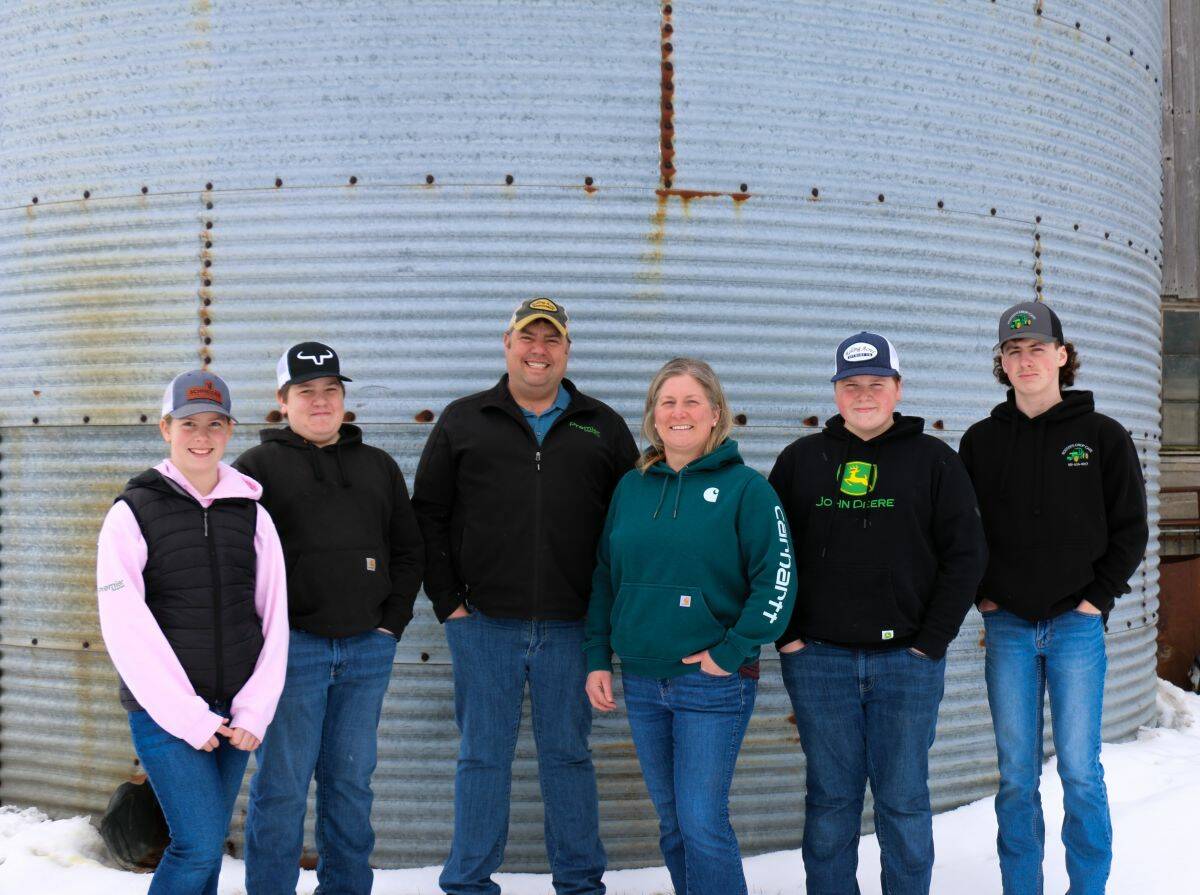
Last winter, a string of accidents forced Paul and Chrissie Schneider to step away from the day-to-day work of their beef and cash crop farm near Palmerston, Ont., without any planning or preparation.
What happened next was less about crisis and more about character.
Their four children — who have grown up like most farm kids, tagging along to the barn, sitting in the buddy seat of the combine and absorbing the quiet lessons that come from living and working alongside their family — stepped up. Not because they were asked to, but because they already knew what needed to be done.
Read Also
Exploring non-traditional labour markets to source farm employees
In the current labour market it’s becoming more difficult to find employees to work on farms.
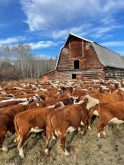
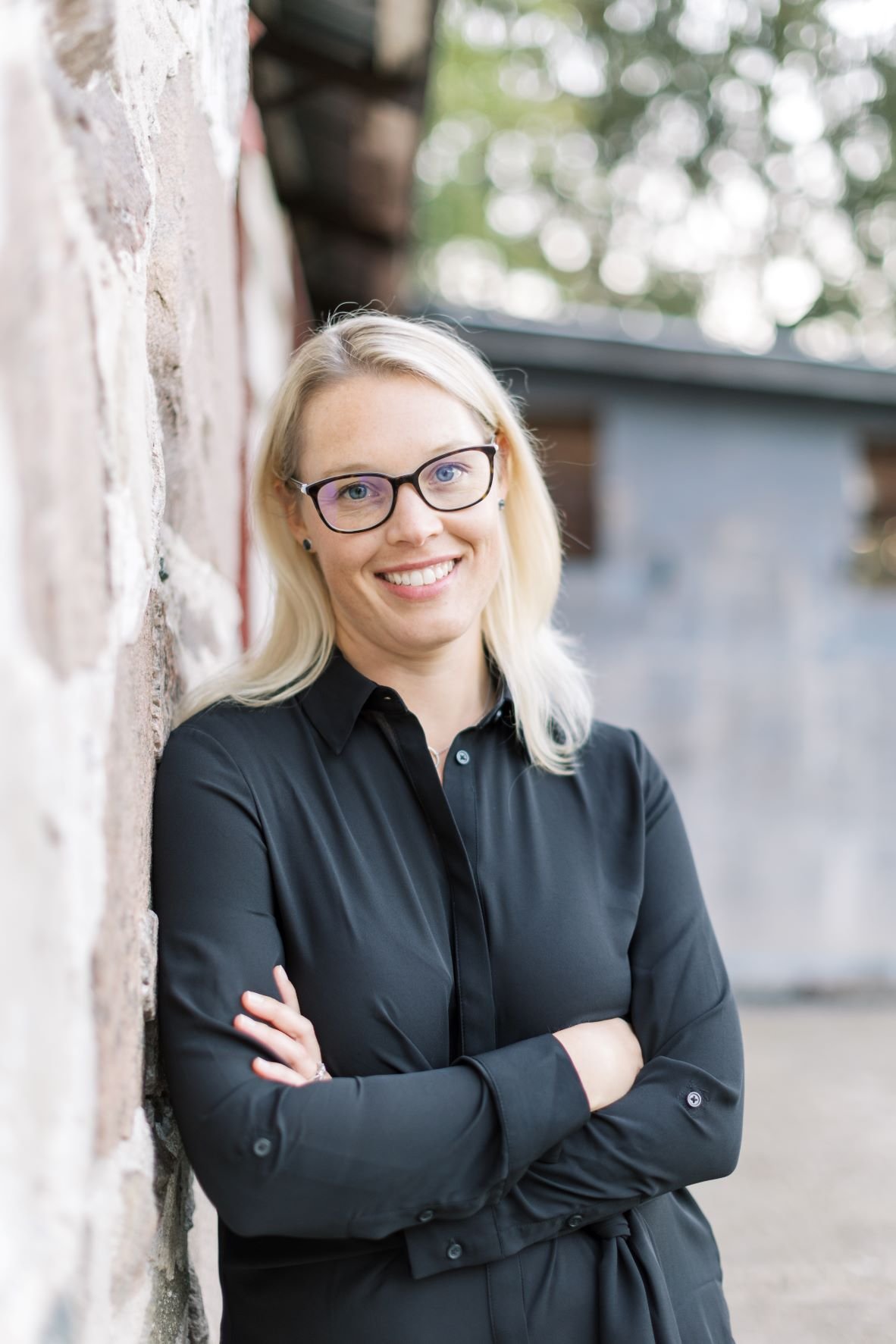
Paul and Chrissie Schneider own and operate Schneider Family Farms Inc., where they crop 550 acres of corn, soybeans and wheat and run a 150-head beef feedlot. While Paul works off the farm, the couple manage the farm together, along with their four children, Noah (16), Reid (14), Jonathan (12) and Clara (11).
Accidents happen
In January 2025, Paul broke his leg during a snowmobile mishap that required surgery and a lengthy recovery. The accident shifted the day-to-day farm workload to Chrissie, who easily took on the feeding, bedding and care of their beef feedlot. Chrissie was able to balance the additional workload with the help of their eldest son, Noah, who stepped up to help between school and his own part-time job, working at a neighbouring dairy farm.
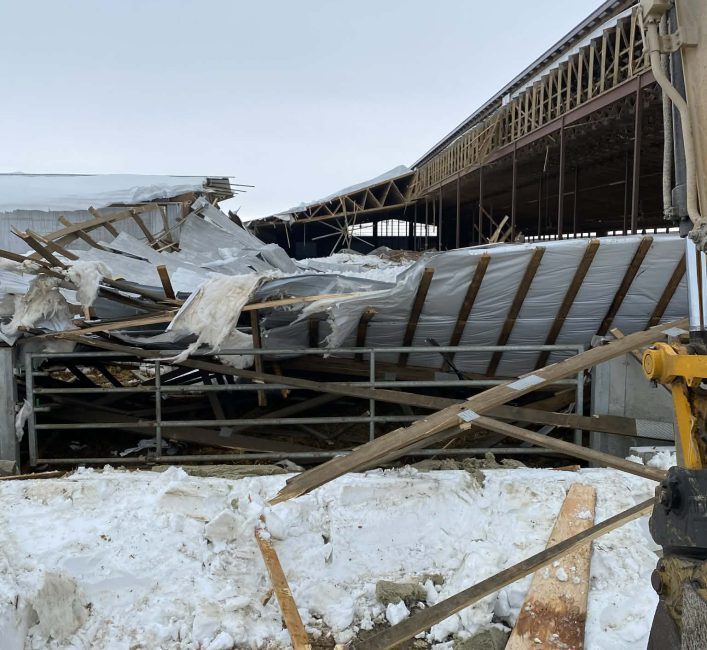
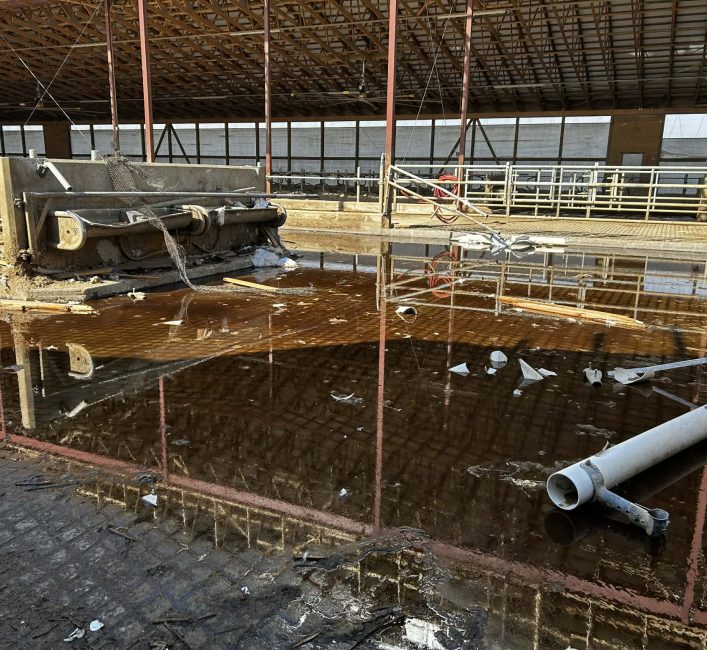
Then, in February 2025, Noah, who was 15 at the time, was caught in a serious farm accident when the roof of the neighbouring dairy barn collapsed due to a heavy snow load. Paul and Chrissie were forced to stand by and watch as it took emergency crews two hours to dig Noah out of the wreckage before he was airlifted to a local children’s hospital in London, Ont. Noah sustained significant internal injuries, a neck fracture and was “pretty beat up,” as Paul describes, but he was fortunate to survive and make a full recovery.
What could have been an ultimate trial for the Schneider family and their farm became a testament to resilience.
As a result of the accidents, Paul was housebound for the winter, and Chrissie spent more than three weeks at Noah’s bedside in the hospital. That left the couple’s remaining children — Reid, Jonathan and Clara — to step in and manage the farm. Together, the young siblings reorganized workloads, took responsibility for the day-to-day livestock chores, and worked alongside extended family, friends and neighbours to keep the farm on track. They balanced school, extracurricular activities and the weight of expectation, learning quickly that farming is as much about problem-solving, perseverance and working together as it is about physical labour.
Stepping up together
“We’re very fortunate given the situations we faced, and we’re stronger for it,” says Chrissie, reflecting on the long weeks the family spent apart physically, but continued to stay united in spirit. “We have amazing neighbours and friends who all helped with farm work, dropped off food and offered support, and we’re proud of our kids who really stepped up when they were needed most.”
The family’s ability to adapt did not happen overnight. Like many farm kids, the Schneider siblings had grown up working alongside their parents under supervision, learning how to operate machinery and how to handle livestock safely. Those early lessons quickly became essential, something Paul and Chrissie are grateful for.
The division of roles and responsibilities came easily to the siblings. After Noah’s accident Jonathan was eager to take on the care of the cattle and tractor work, Reid took on the role of meal preparation and managing the outdoor wood furnace, and Clara managed the family’s laundry.
Initially, family friends came to the farm to help the family by working with Jonathan on mixing and feeding the daily beef rations and cleaning the barn. From there, Paul was able to provide instructions and oversee the day-to-day chores from the house while Jonathan took over feeding and bedding the cattle before and after school. Paul says, “Jonathan was happy to do it, took ownership of his role and had a grin on his face all the time, but it was a lot of responsibility to place on him.”
“We were quickly reminded of the value of relationships,” says Chrissie, noting several of their farm advisors, such as their inputs supplier and nutritionist, also stepped in to support the family. In fact, their livestock nutritionist made several visits to the farm to check on and support Jonathan in his new role.
While Noah remained in hospital, Chrissie stayed by his side. But as the farm’s bookkeeper, she was still responsible for keeping the accounts and paperwork on track, even from her son’s hospital room. “If it wasn’t for online record-keeping, I wouldn’t have been able to keep things running,” she says. “We’re lucky that everything is accessible these days, from bills to banking.”
Lessons in letting go
Looking back, Paul and Chrissie can see just how overwhelming the situation truly was.
“We laugh about it now, but the reality is that our 11-year-old was left to run the farm,” says Chrissie.
While each of the Schneider siblings was comfortable running equipment and was aware of the daily tasks required to manage the farm, they hadn’t had the opportunity, nor was it necessary, for them to do the actual work. That reality hit hard for both parents, who admit that over the years their kids had been asking to learn and do more on the farm, but they just didn’t have or make the time to teach them. Paul admits that it would have been easier if he had been able to teach Jonathan how to mix feed rations and to navigate the complexities of various jobs before his accident, when he could have been there in person to provide instructions.
“Sometimes it’s hard to give up control, but when there’s no choice, you have to trust that what your kids have seen you do — and what you’ve taught them — will carry them through,” explains Paul, noting the situation was a powerful teacher. He says it underscored the importance of dependable relationships, of making the time to teach the next generation when they are interested in learning, and of ensuring the farm’s routine doesn’t live in just one person’s head.
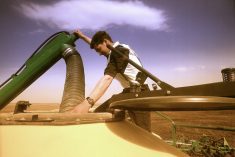
Despite the tragic winter events, the Schneider family didn’t miss a beat when it came to spring planting. Though still recovering, Paul and Noah were back in the tractor cab by spring 2025, and this time they welcomed the extra help from the younger siblings.
“Never underestimate your abilities or what you’re capable of,” says Chrissie reflecting on their family’s experience. “Or your kids’ abilities to adapt.”