
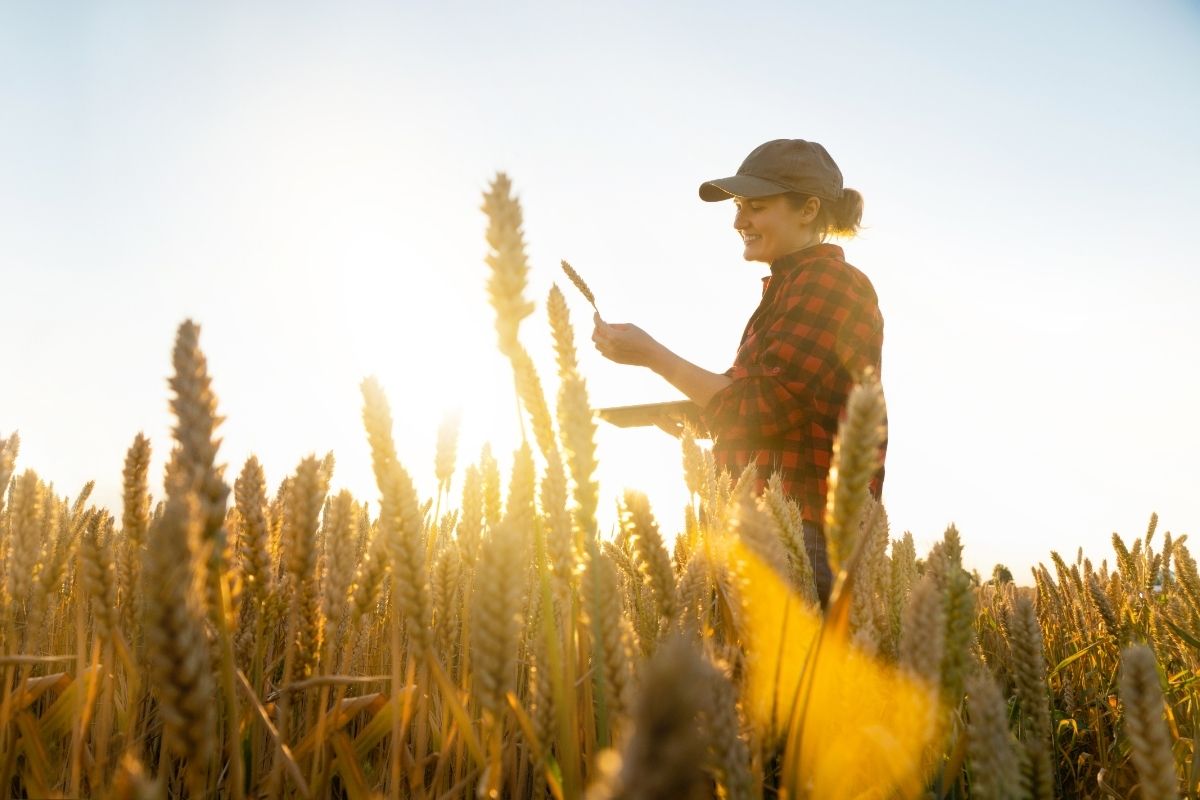
March 8th was International Women’s Day. It’s a good time to pause and reflect on the contributions women make across our industry and how conversations around diversity, equity and inclusion have evolved over time.
In my work supporting farms with HR and strategy across western Canada, I have the privilege of working with some incredible farm businesses. Many of them don’t even think about gender when it comes to leadership, decision-making or contributions to the operation. They simply expect the best ideas and the best work from the people around them.
And that’s a good thing.
But what I often find disappointing about many conversations around women in agriculture is that they don’t seem to be progressing beyond the idea of “equality”.
Now, I fully recognize that there are still many women in our industry who experience bias simply because of outdated views around what women can or should contribute to a farm business. Those experiences are real and they shouldn’t be dismissed.
At the same time, I think there’s a bigger conversation we could be having.
In the HR support work I do with farms, I rarely see resistance to making space for women “at the table.” Most farm leaders I work with genuinely want capable people contributing to their business, regardless of gender.
That progress is worth acknowledging. But it also raises a new question.
Is making space at the table enough?
For many women in agriculture today, the conversation is no longer just about being invited to the table. It’s about recognizing that the table itself was originally built for men.
Agriculture has gotten better about inviting women to the table. The next step is asking whether the table itself was designed to support them.
Historically, most workplaces were designed around the expectations, schedules and career paths of men. That’s simply the reality of how many industries evolved, agriculture included.
We can’t go back and change that history. What we can do is pause and think about how we shape our businesses today so that the future of agriculture reflects the people building it.
What can you do about it?
A practical place for many farm businesses to start is with the values that guide how the business operates.
Most farms have some version of shared values, whether they are written down or simply understood within the team. Words like collaboration, respect, adaptability and family often show up in agricultural businesses.
The real opportunity is in how those values actually show up in the day-to-day operation of the farm.
Take collaboration, for example. On a farm that genuinely values collaboration, there is room for different work styles, communication styles and approaches to solving problems. People aren’t forced into a single mould of how leadership or contribution should look.
Family is another value we often hear about in agriculture. Many farm businesses pride themselves on being family-oriented. When that value is reflected in how the business operates, it can look like flexibility when life throws something unexpected your way, or understanding that people contributing to the farm have lives and responsibilities outside of it.
Respect is another one I hear often. Living that value means recognizing the ambitions and capabilities of the people in your business and asking questions rather than making assumptions about the roles they should play. A simple question can often open up an entirely different conversation.
“Hey, do you actually want to be doing the bookkeeping, or is there another role on the farm you’re more interested in?”
Leaders can ask other questions too.
“Are you feeling supported enough in your career growth, or is there something more we can do as a business to help you succeed?”
“We want you to always feel empowered to bring your ideas forward. How can we do a better job at that?”
Often the most powerful change a leader can make is simply asking better questions.
Notice that none of those questions center around traditional assumptions about family roles or childcare. They focus instead on how someone wants to contribute to the success of the business.
And that mindset applies whether the woman in question is an employee, a partner in the operation or an owner in the farm.
Where can we go from here?
From what I’m seeing on farms across western Canada, there is genuine support for women in agriculture. We’ve already proven that women can handle just about anything the industry throws our way.
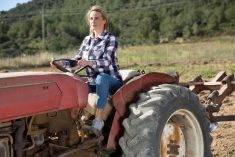
We run the equipment.
We handle the numbers.
We oversee herd health.
We manage the team.
We drive the semi.
We negotiate grain contracts.
We decide what variety to plant.
The capability question has long been answered.
So perhaps the next step for our industry is to stop thinking about supporting women in agriculture as “accommodating” them.
Instead, we can start thinking about how we design our businesses so talented people can do their best work.
Agriculture has always evolved when it needed to. We adopt new technologies, new management practices and new business structures when they help move our farms forward.
Designing workplaces that unlock the full potential of the people in them is simply the next evolution of good farm management.
So now that we know who belongs at the table, let’s take a closer look at the table itself and ask whether it was designed to support the people sitting around it.
Sara Chambers is a farm management consultant with Backswath Management Inc. She can be reached at 431-554-5390 or [email protected]
Read Also
Taxation of RRSP/RRIF at death: rollover in favour of a spouse?
Special taxation rules apply to RRSPs/RRIFs upon your death. It’s important to work proactively with your financial advisor so that your spouse knows what to expect.