
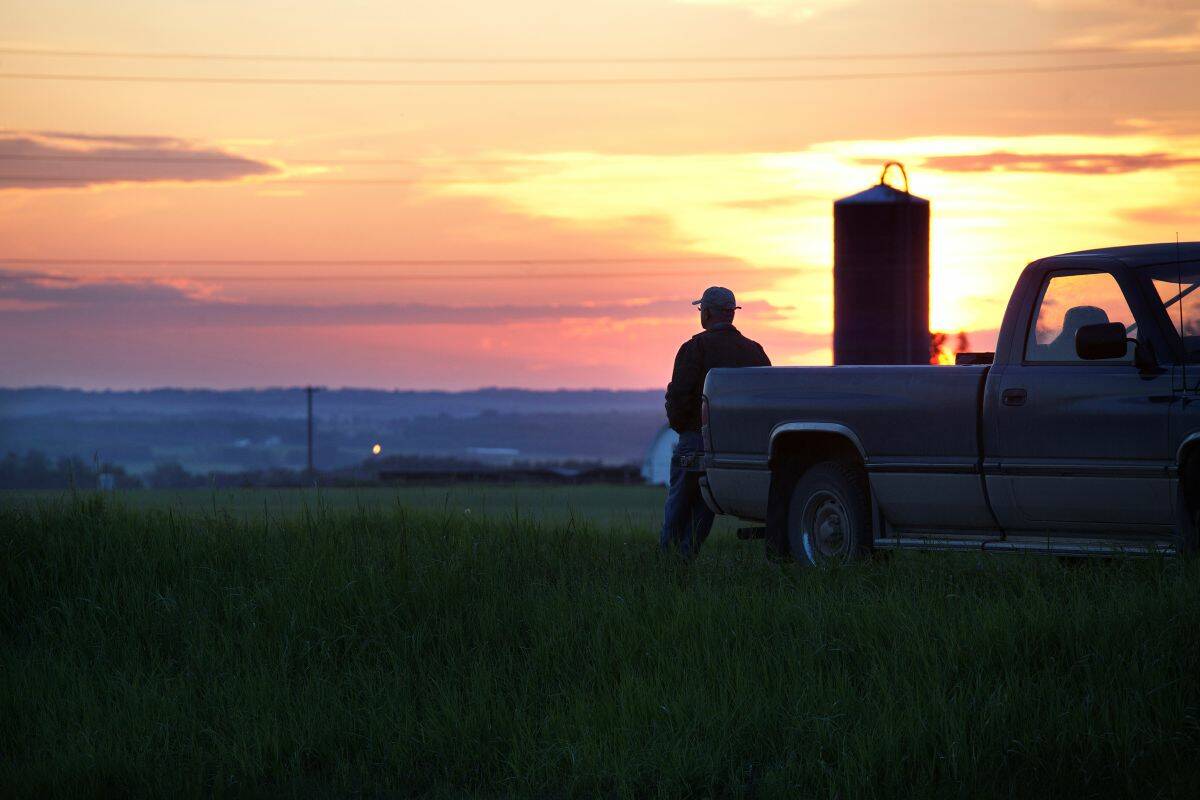
The ultimate goal for many farmers is to pass the farm on to their kids. But continuation of a farm’s legacy is not always possible.
When there is no next generation to pass the farm on to, these end-of-the-line farmers resign themselves to selling the operation. It’s rarely an easy decision and research shows that it can have negative effects on their mental and physical health.
However, the lack of family successors doesn’t have to be the end of the line for farmers who want to see their operations continue. There are many mentorship and land matching programs that help exiting farmers find young people interested in taking on an existing farm, creating a new legacy while respecting what has been built over the years.
Read Also

Farm & Family – March 13 edition
March 8th was International Women’s Day, but did you know that this year is the International Year of the Woman…
Quebec and British Columbia have long-established land matching programs that match aspiring farmers and farmers coming to the end of their careers who have not identified successors.
Both L’ARTERRE in Quebec and the B.C. Land Matching Program, delivered by Young Agrarians, employ land matchers who connect both parties to assess their goals and see if there is an opportunity for them to work together.
“From my experience, the thing that the exiting generation has a lot of trouble with, is finding someone,” says Alex Pulwicki, e-learning program manager at Young Agrarians, Alberta.
“And rightfully so, when you have spent your whole life on the farm working the land, it’s not always obvious where to connect with people who might have the right alignment.”
Land matchers work with end-of-the-line farmers from the very start when retiring farmers are first considering a land match as an option, because they need to know what farmers are looking for to propose a potential aspiring farmer. Once a match is found, the land matcher assists the landowner and new farmer to draft an agreement, and connects them with various professionals, such as lawyers, accountants and advisors, to ensure everything is properly executed.
“When we ask people who went through the process what helped their project succeed, they always say the land matcher, that there was someone who knew agriculture, that could hear what they had to say, help them in their reflection, guide them through the process and link them with the right person at the right time,” says Benoît Curé, coordinator at Quebec’s matching service L’ARTERRE.
“The land matcher is the heart of the service.”
These arrangements are varied and unique — ranging from a simple lease agreement to a complex full-farm transition that can stretch over several years. It also often involves some degree of mentorship from the outgoing farmer.
With today’s high land prices it’s becoming more common for the new farmers to rent the farm for a few years with the end goal of purchasing it once they have built some equity and a solid track record to help them obtain the financing they need.
Other options
Although the land matching program isn’t offered on the Prairies, the Young Agrarians has a publicly sourced and curated online database of different resources, including land opportunities.
It also offers another online resource for anyone thinking about a non-family transition called the Non-Family Farm Transition Toolkit that outlines all the steps required.
Another option is Saskatchewan’s Farmland Legacies, a non-profit organization and registered charity that acquires arable land in Saskatchewan and Alberta through donation or bequest and leases it to people who are committed to renewable agricultural practices and land stewardship.
Farmers who value conservation can place a conservation agreement on their land that prevents any future owners from making changes to natural habitats on the land, such as wetlands, riparian areas, woodlands, native prairie or other wildlife habitats.
Although it can reduce the price of the land on the real estate market, it can make it more affordable for a young farmer, who shares the same values and commitment to conservation as the landowner, to purchase land and start their own farm.
Various provincial conservation organizations and land trusts offer conservation agreements across Canada, as do national organizations such as Ducks Unlimited Canada and Nature Conservancy Canada.
Tips for a non-farm family transition
There are a few fundamentals that, given their experience with land matching, Curé and Pulwicki say are important for end-of-the-line farmers to consider
Don’t leave it too long
“People often don’t realize how long it takes to find somebody who is the right person they get along with and who has the skills, or the capacity to build the skills, to take over the land,” Pulwicki says.
“These scenarios are outside of the box from the typical arrangements that a lot of lawyers and accountants are used to, so even just finding the right professionals to support you can take a while. We definitely encourage people to reach out and start thinking about this as early as possible.”
Make sure you know what you and your family wants
“If a farmer has decided that they want someone to take over and be sure that the farm will continue, then how do they want to do that?” asks Curé.
“And not just for the farm itself but for them, for the family and kids because we have seen some instances where the kids don’t want to take over the farm, but they don’t want to sell the land. That might be a problem if it is not addressed at the beginning of the process.”
Young Agrarians’ Non-Family Farm Transition Toolkit is a good place to start, Pulwicki says.
“It outlines all the steps and although there are similarities to a family transition, like accounting pieces and so on, there are nuances such as how you transition the legacy, land and business to somebody who isn’t from the family,” she says. “The toolkit has case studies and stories and a lot of guiding questions to help you through the visioning piece.”
It takes patience
“It can take 10 years to transfer all the equity if it’s a big operation,” Pulwicki says. “But it can be meaningful for the exiting farmer to see themselves slowly pull out of the business and take on more of a mentorship role, taking themselves out of the day-to-day operations and just supporting the decision making.
“It takes time to transfer all that knowledge.”
Are you prepared for change?
“With non-family farm transition, sometimes the incoming generation wants to do something very different with the land than the exiting generation has been doing,” Pulwicki says.
“That’s something the exiting farmer needs to think about. Are they open to a totally different type of production? We encourage people to be open about these things but also to set clear boundaries on what they think would make sense in this context.” CG