

Glacier FarmMedia — Swift Current, we have a problem — with wheat.
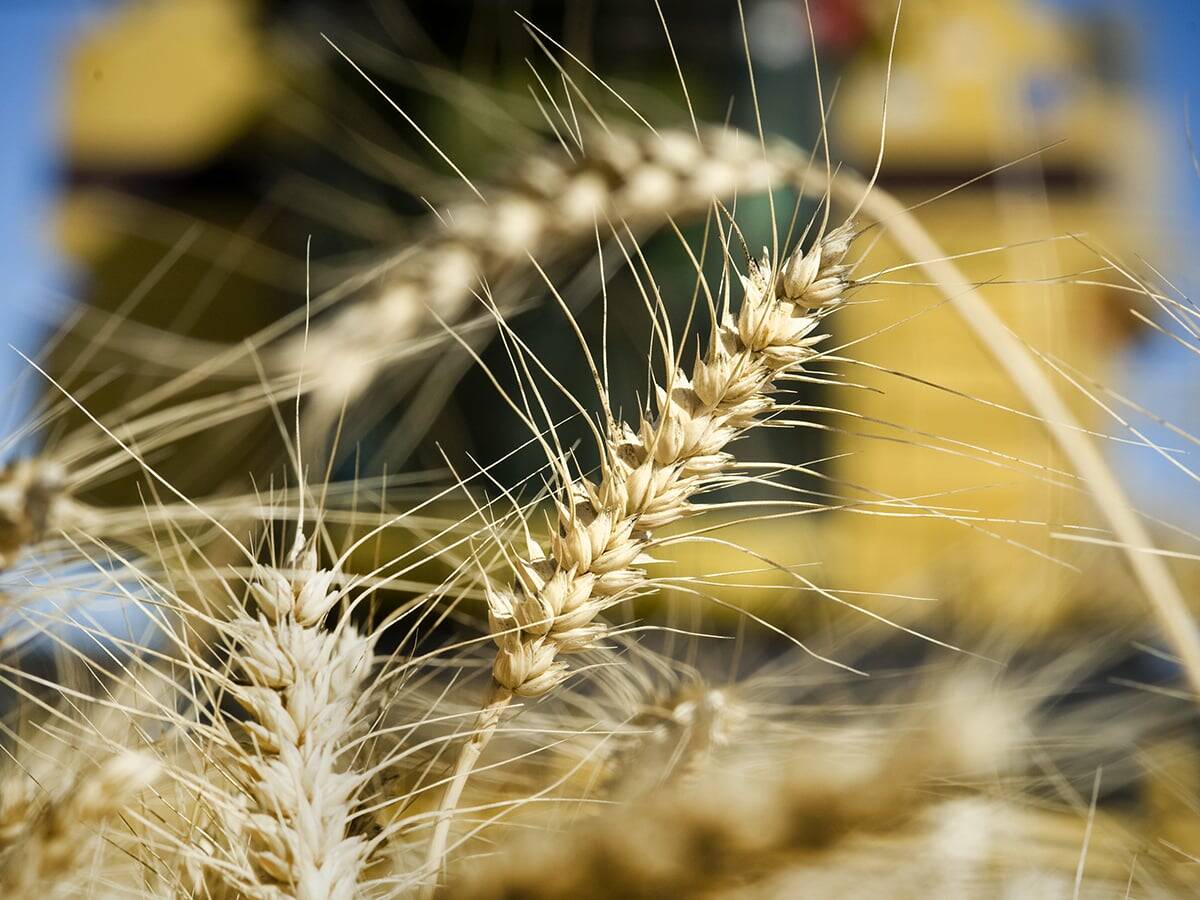
The Canadian Wheat Research Coalition, which represents farmer-led organizations in Alberta, Saskatchewan and Manitoba, has concluded that Canada’s wheat breeding system is “no longer working.”
In a report published Feb. 26, the CWRC said farmers and other players need to join forces and build something better.
“Securing the future of wheat in Canada requires a reimagining of our wheat breeding innovation system,” says the report.
Read Also
Reduced Argentine soybean harvest, bigger crush says USDA attaché
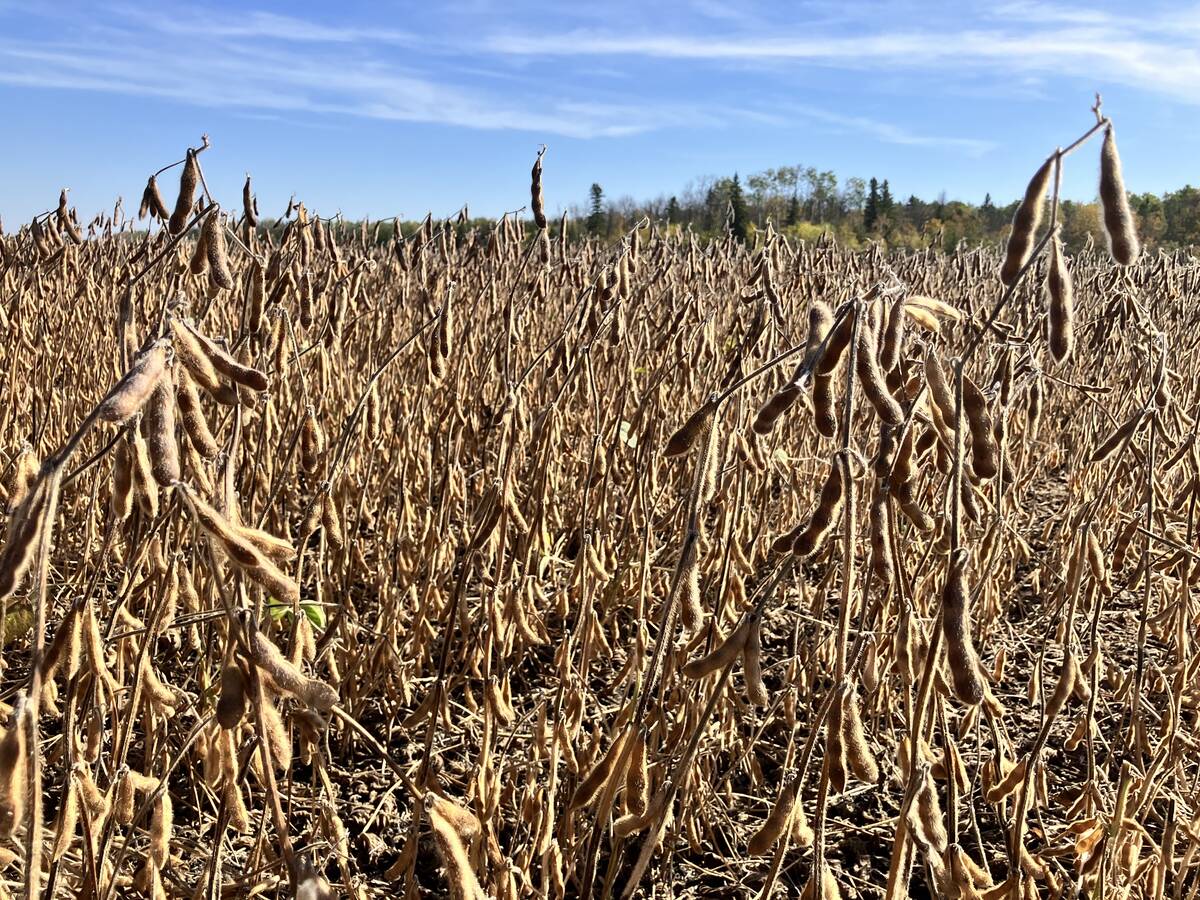
Argentina is expected to reap 48 million tonnes of soybeans in 2025/26, the United States Department of Agriculture attaché in Buenos Aires said in a report released on Feb. 25. That’s slightly lower than the USDA’s official estimate of 48.50 million tonnes.
“The CWRC has a lead role to play in securing the future for wheat in Canada and is currently exploring options to transform the wheat breeding innovation system.”
WHY IT MATTERS: Wheat (spring wheat and durum) is the largest acreage crop in Western Canada and farmers rely heavily on varieties developed by Agricutlure Canada scientists.
Jocelyn Velestuk, who chairs the CWRC and farms near Broadview, Sask., said it’s unclear what transforming the system will look like, but it will be a collaborative process.
“We will be including stakeholders,” she said.
The CWRC, a coalition of Alberta Grains, SaskWheat and the Manitoba Crop Alliance, began working on the wheat breeding report last fall.
It evaluated the current system, which is dominated by breeding programs at Agriculture Canada.
Every year, about 80 per cent of all wheat fields in Canada have an AAFC variety.
Much of the coalition’s work and consultations with 29 stakeholders was done before late January, when Agriculture Canada announced cuts and closures of research centres across the country.
In its report, the CWRC described the five steps in the wheat breeding process:
- foundational science
- germplasm enhancement
- variety development
- pre-market evaluation and testing
- commercialization
The weakness in Canada’s system are steps three and four, Velestuk said.
“The places we found the biggest gaps were in variety development and pre-market evaluation and testing.”
That’s partly explained by federal budget cuts in 2012 when Agriculture Canada closed a research centre in Winnipeg and testing sites in Manitoba and Regina.
“(A) loss of 60,000 plots and reduced (the) number of early generation breeding lines under evaluation,” the report says.
Breeder says change is needed
Richard Cuthbert, a former wheat breeder with Agriculture Canada in Swift Current, Sask., says the public system to develop wheat varieties has lost “capacity.”
The number of small plots for testing potential varieties across a wide a wide range of geographic, climate and soil types in Western Canada has shrunk over the last 15 years.
A breeder needs sufficient data from dozens of sites and hundreds of thousands of small plots to make informed choices and bring game changing varieties to market.
“It’s a fact that we need more capacity and capacity is costly,” said Cuthbert, who resigned from Agriculture Canada in January.
“That’s been lost along the way… (and) taken for granted that small plot (research) will just happen. Disease nurseries (will) just happen. Quality testing (will) just happen.”
What’s next?
The CWRC plans to play a lead role in what happens with wheat breeding in Canada. There are funding agreements in place with Agriculture Canada and universities on the Prairies to continue breeding and varietal development research until 2028.
The immediate next steps are conversations between the Wheat Research Coalition and Agriculture Canada, Velestuk said.
Growers, breeders, seed companies and others will be part of the discussions to design a new funding model and approach to breeding and varietal development.
How that will turn ou, is hard to say, but the final line in the CWRC report delivers a clear message.
“The future of wheat breeding in Canada is in the hands of farmers.”