

Chicago | Reuters — Chicago Mercantile Exchange lean hog futures rose on bargain buying on Wednesday, traders said, though U.S. pig slaughtering sank to its lowest level since August as rising cases of the Omicron coronavirus variant hit meat plants.
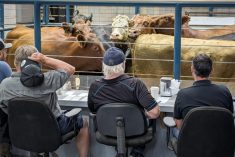
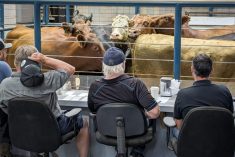
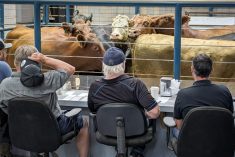
Live cattle and feeder cattle futures slumped as traders remain concerned that the highly contagious variant is causing more staffing shortages, limiting livestock slaughtering.
COVID-19 hospitalizations in the United States have increased by about 33 per cent and deaths are up by about 40 per cent from a week earlier, the head of the U.S. Centers for Disease Control and Prevention said on Wednesday.
Read Also
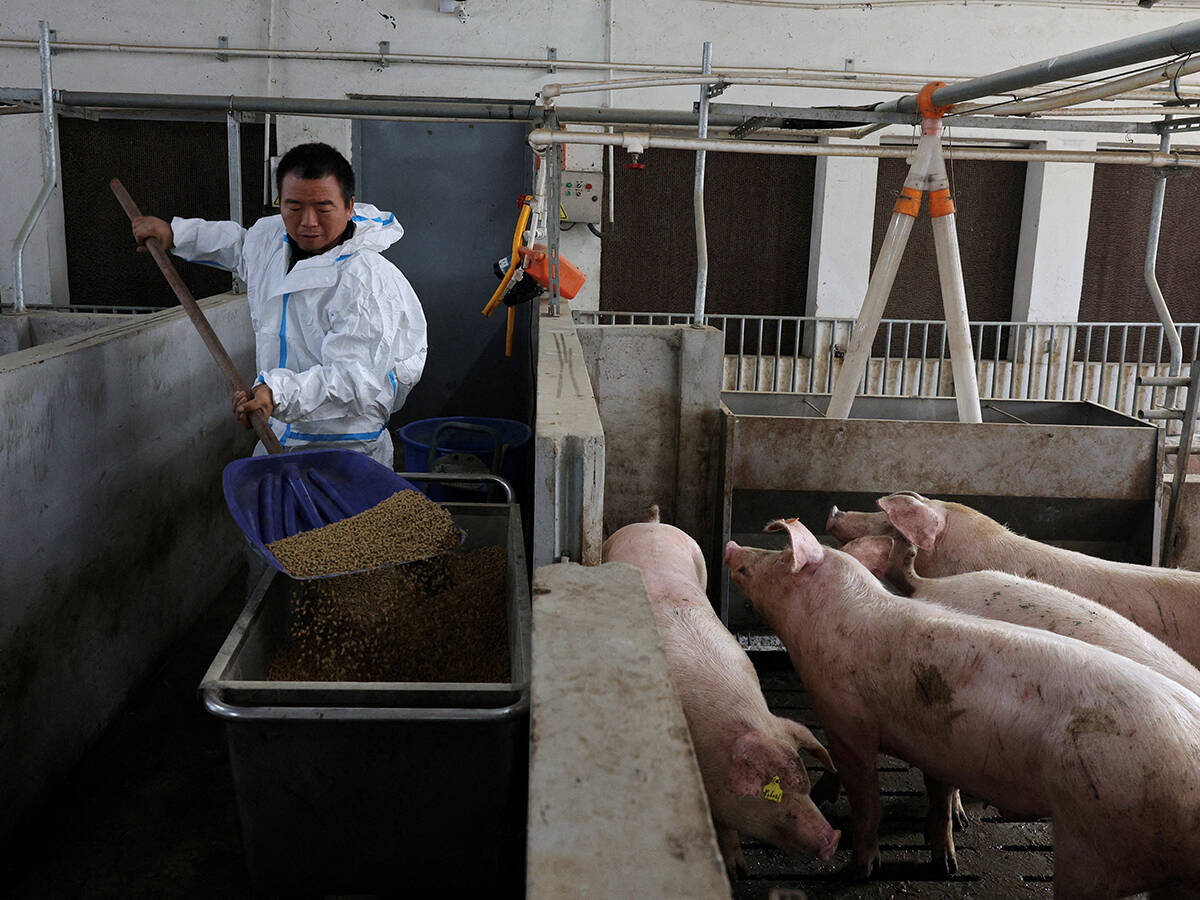
China’s Q1 pork output up 4.2 per cent from a year earlier, lags expectations
China’s pork production rose 4.2 per cent in the first quarter of 2026 from a year earlier as hog producers accelerated slaughtering to address a supply glut.
Meatpacking, an early epicentre of the pandemic in 2020, is among the sectors being disrupted by the surge in cases.
Processors slaughtered an estimated 433,000 hogs on Wednesday, a five-month low that is down 12 per cent from a year ago, the U.S. Department of Agriculture said. Processors slaughtered an estimated 114,000 cattle, down about three per cent from last year, the agency said.
CME February lean hogs ended up one cent at 78.85 cents/lb. in a rebound from a one-month low reached on Tuesday, which was the third consecutive day of losses (all figures US$).
USDA, in a monthly report, trimmed its U.S. pork production estimates for 2021 and 2022 because of a slower pace of slaughtering. The U.S. pig supply has tightened over the past year and slaughterhouses have been forced to slow line speeds.
USDA lowered its 2022 pork production forecast by 0.3 per cent from December to 27.53 billion pounds.
“Slower expected hog slaughter in the second half of the year more than offsets higher slaughter expectations in the first and second quarters,” USDA said.
CME February live cattle futures settled down 1.1 cents at 136.575 cents/lb. March feeder cattle futures ended 1.325 cents weaker at 165.025 cents/lb.
— Tom Polansek reports on agriculture and ag commodities for Reuters from Chicago.