

Hamburg | Reuters — Global food exporting countries should not restrict food exports after Russia’s invasion of Ukraine cut world supplies, agriculture ministers of the G7 group of nations said on Friday.
The impact on markets escalated this week as a growing list of food producing countries restricted exports, keeping vital supplies within their borders.
Wheat prices hit 14-year highs and edible oil prices surged following a sudden stop to exports from Ukraine and a sharp reduction from Russia.
Read Also
BASF announces $27M Saskatoon canola breeding facility expansion
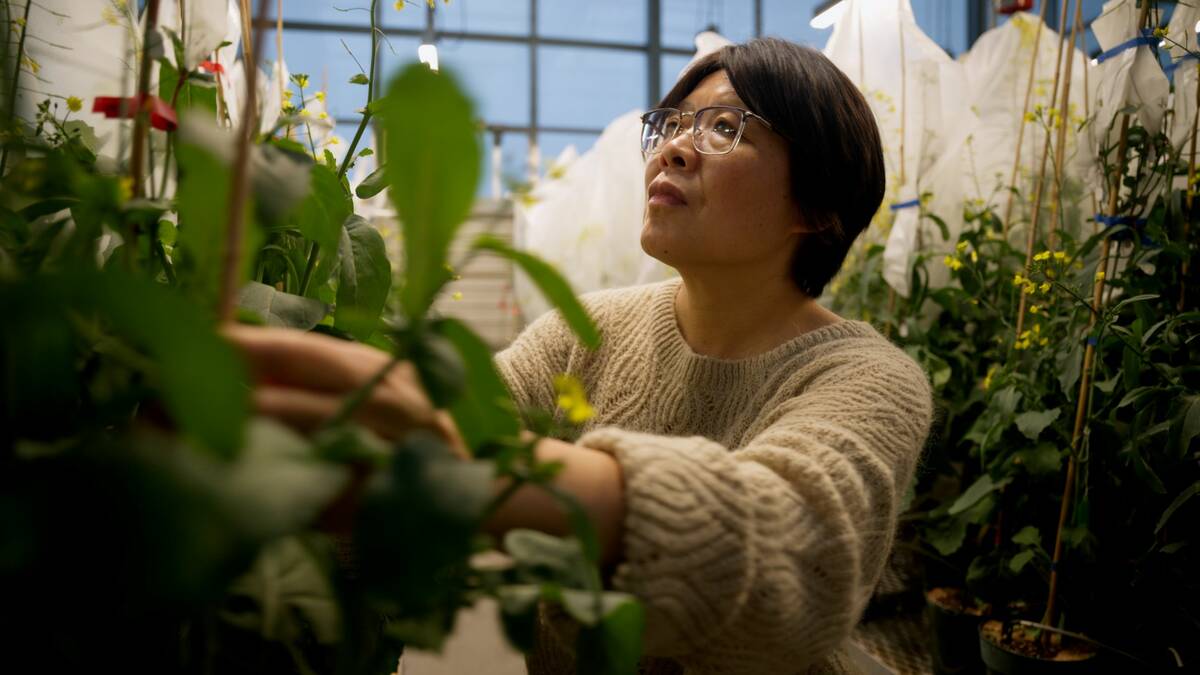
BASF is investing $27 million to expand its Canola Breeding Centre of Innovation in Saskatoon with the hopes of refining and accelerating the development of hybrid canola.
“We call on all countries to keep their food and agricultural markets open and to guard against any unjustified restrictive measures on their exports,” a statement from the G7 farm ministers issued by Germany’s agriculture ministry said.
A meeting of G7 agriculture ministers hosted by Germany discussed the consequences of the war in Ukraine for global food security.
“Any further increase in food price levels and volatility in international markets could threaten food security and nutrition at a global scale, especially among the most vulnerable living in environments of low food security,” the statement said.
German agriculture minister Cem Oezdemir said after the meeting he was concerned the poorest countries worldwide will suffer especially.
“Many countries are facing difficulties to supply themselves with agricultural commodities, this is threatening the food supply in parts of the world,” Oezdemir said, adding that meant it was “ever more important” to prevent export restrictions.
Ministers said they will intensify monitoring of food futures markets.
“We will not tolerate artificially inflated prices that could diminish the availability of food and agricultural products,” the statement said. “We will also fight against any speculative behaviour that endangers food security or access to food for vulnerable countries or populations.”
Germany this year holds the presidency of the G7, of which members also include Canada, France, Italy, Japan, the U.K., the U.S. and the European Union.
— Reporting for Reuters by Michael Hogan in Hamburg.