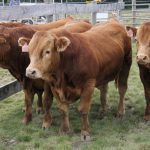

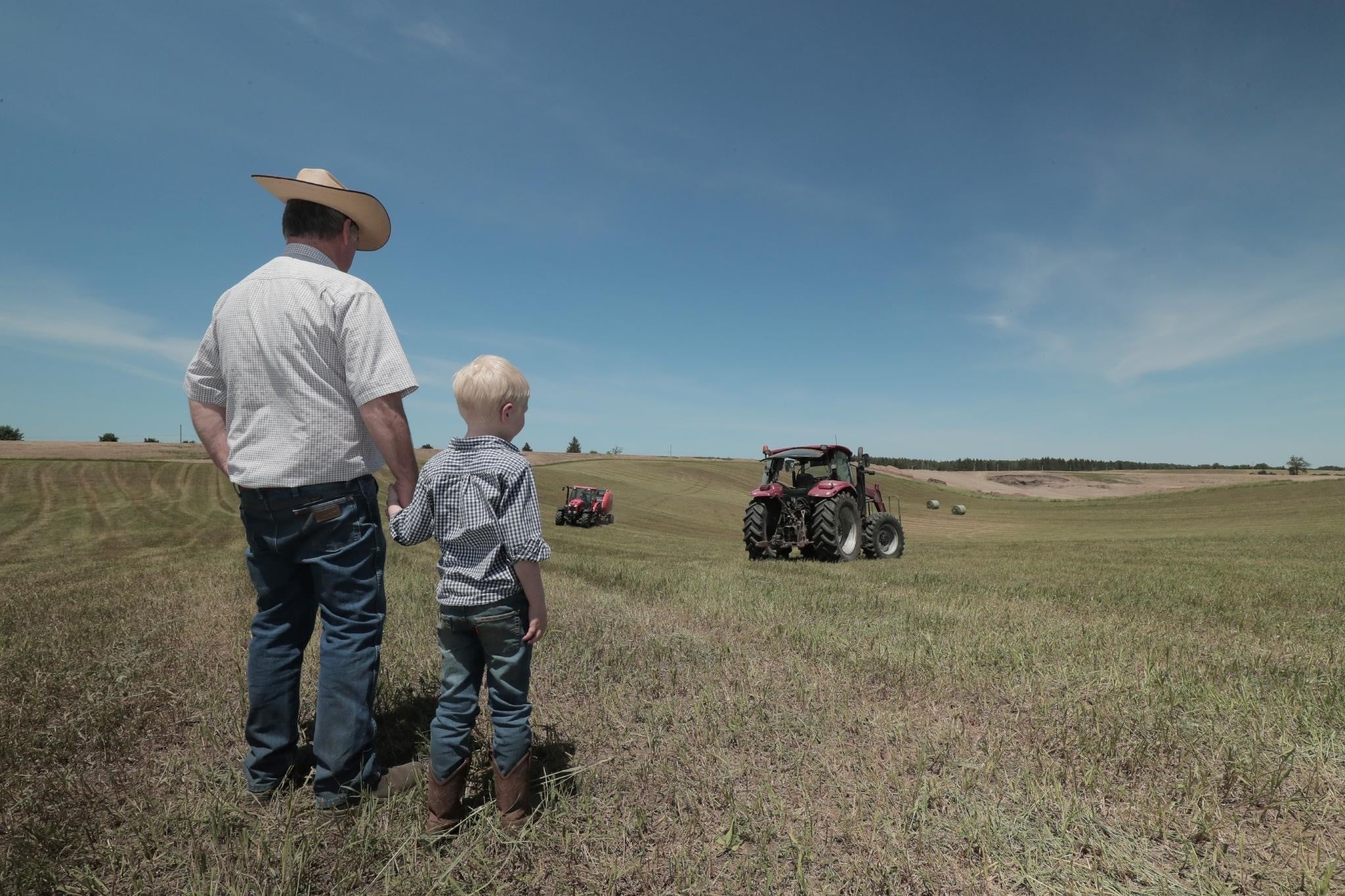
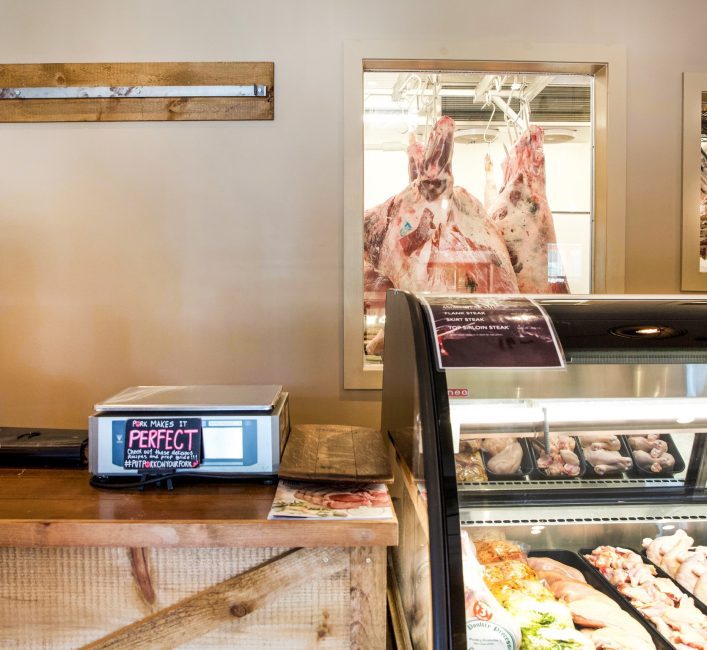
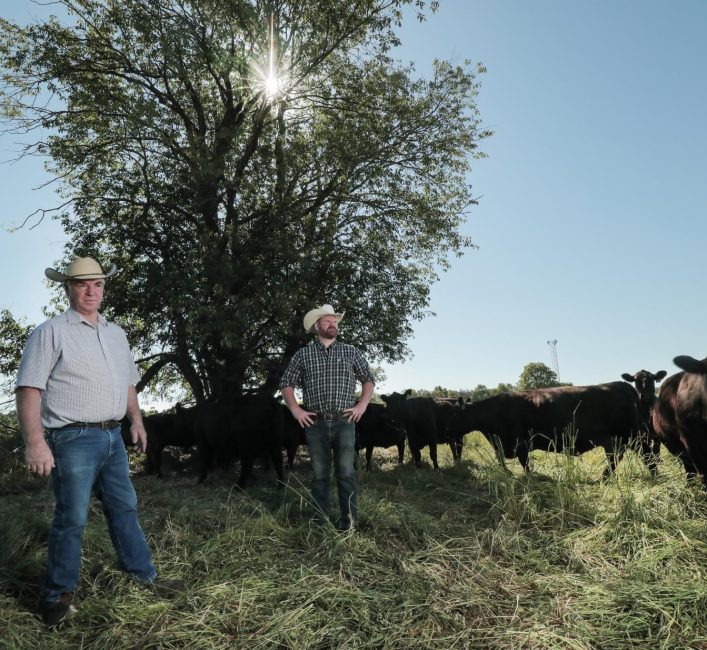
An old country store beckons with rustic charm at the front of Heatherlea Farm while Black Angus cattle roam the surrounding fields. Customers are greeted with the scent of smoked meats and freshly baked bread. Behind the deli counter hang thick slabs of beef. Shelves are lined with local preserves, hand-poured candles, and small-batch sauces. Every detail, from the worn wood counters to the chalkboard signs, pays tribute to the old-fashioned craft of farming and butchery.
“We’ve always been practical,” says Melinda McArthur, store manager and part of the family behind Heatherlea Farm in Caledon, Ont.
“But for a long time, like many farms, our record-keeping was pen and paper, with the occasional Excel sheet.”
Read Also
Executive decisions: what and when to delegate on the farm
Consider the end state you’re working to achieve on your farm when deciding what tasks to delegate, when to do so and on whom, farm management advisors recommend.
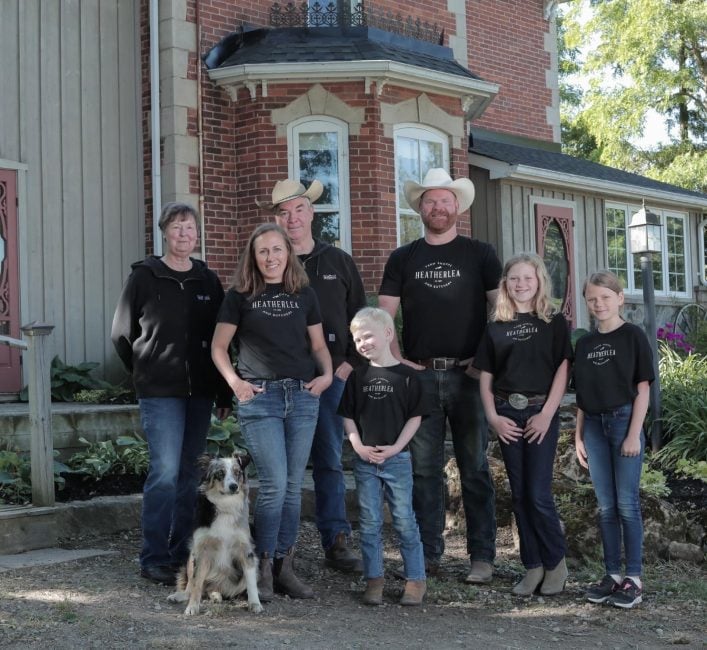
The farm was originally a cattle business, but as the family added a butcher shop, café and online store, the McArthurs realized they needed to modernize to sustain growth. The business supports multiple generations of the family, including the store and farm owners, Pat and Gord McArthur, their son and daughter-in-law, Melinda and Don McArthur, and their three children, Kayleigh, Chloe and James.
These days, beneath that homespun charm hums a quiet current of modern technology, blending tradition with innovation.
Heatherlea uses digital systems to track every detail of their herd from weight gain and feed efficiency to fat content and lineage. Their operation is as data-driven as it is down to earth.
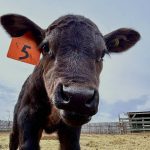
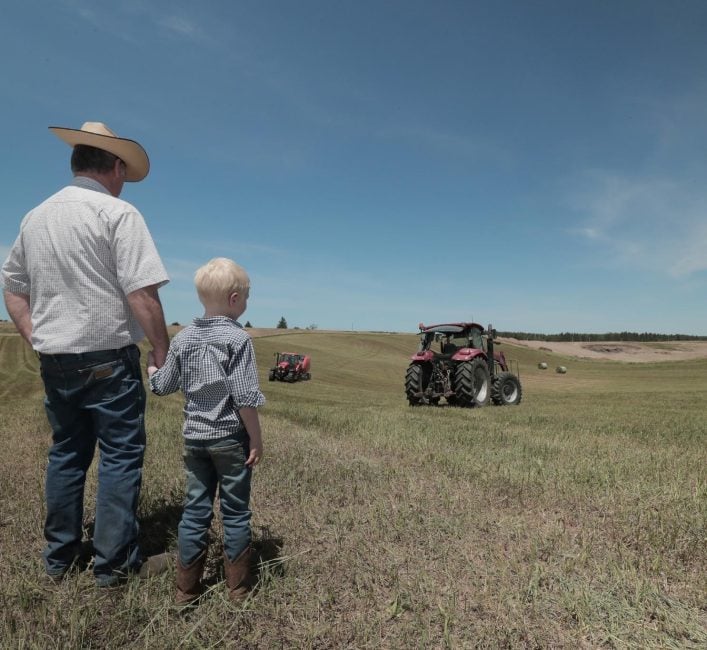
Don, who runs 90 head of Angus cattle on the 125-acre farm, says that his methods were traditional until he attended a Beef Farmers of Ontario feedlot tour several years ago. His main takeaway from the event was, “If you can’t measure it, you can’t manage it.”
That advice sparked a quiet tech revolution at Heatherlea. The farm invested in a Gallagher scanner system and an updated handling setup with built-in scales. Today, they can track weight gain and adjust feed programs with precision, ensuring both butcher-ready cattle and breeding stock maintain healthy growth.
“With the increasing number of cattle in our operation, we needed to adjust our handling facility from a few wood gates in a barn and a simple squeeze (chute) to a proper cattle-handling system with the ability to ship cattle simply, easily and more safely,” Don said.
“Our main reason for adopting the technology was to handle larger amounts of animals in a safe and ethical way. It’s good business and good for animal welfare.”
During a recent visit to the farm, Don demonstrated the system and his chosen cow moved through the chute like it was part of her everyday routine. She was calm and relaxed. Eleven-year-old James scratched the cow’s ears as Don completed a full health scan, including a pregnancy check and data on her weight and body composition. Each animal’s tag integrates with the Gallagher electronic identification and weighing system. The information collected from each EID tag is automatically sent to the herd management software.
“This system not only ensures the highest standards of animal care and handler safety but also gives us accurate, real-time insights into growth and performance,” Don said.
“It helps us make informed decisions to maintain the quality and consistency our customers expect from Heatherlea beef.”
“It’s not outrageously high-tech,” Melinda said. “But the difference is massive. Even small improvements in information and efficiency ripple across everything else we do.”
That mindset travels from the field to the store, where managing inventory, sales and staff is done with modern point of sale (POS) systems, cloud-based documents and an e-commerce presence.
“We look for practical tools that let us work smarter, not harder,” Melinda said. “You can’t cling to the horse and cart when everyone else is driving a tractor.”
Melinda wears multiple hats at Heatherlea: farmer, store operator, HR, IT support and more. She says artificial intelligence (AI) is a practical solution for handling repetitive or time-consuming tasks.
“We use it for everything from coming up with product names and writing marketing copy to troubleshooting printer errors and creating staff training materials,” she said. “It’s especially useful for writing policies or summarizing meetings — things that take hours but don’t require a human touch for decision-making.”
But she doesn’t put blind trust in AI. “It doesn’t replace people. You still need to guide it. If you just let it write, it shows — either by saying a lot without really saying anything or overdoing the punctuation. You have to steer it to get good results.”
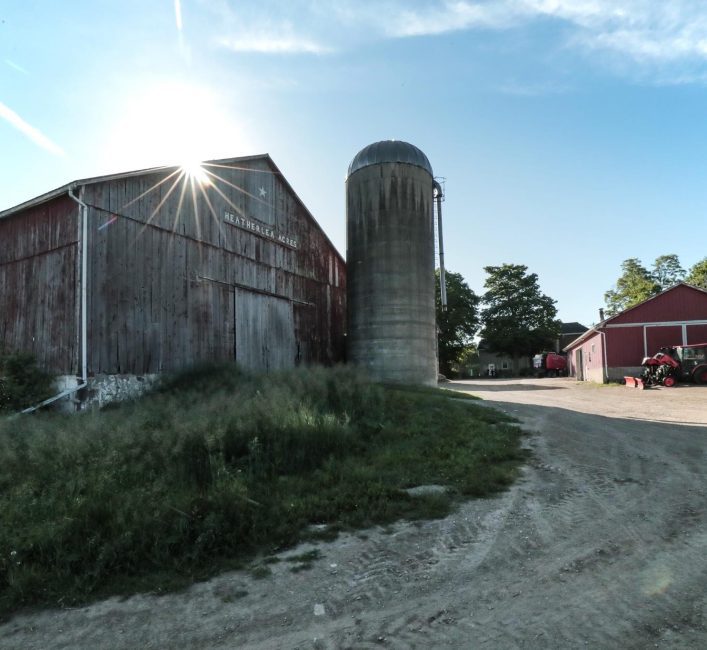
Looking ahead, Heatherlea sees tech being increasingly integrated into every facet of farm life. AI will quietly work in the background of tools such as Gmail, Google Analytics and note-taking apps, pulling insights and simplifying decisions. But the family is also keenly aware that authentic, human storytelling will remain vital.
“As AI content multiplies, real experiences and voices will matter even more,” Melinda said.
“As a small farm, we are grateful for technology and AI to help humankind, but it’s the humans that still bring the value,” Pat said.
Heatherlea Farm demonstrates that embracing technology doesn’t mean abandoning tradition. Tech and AI allow the family to focus on what truly matters: their animals, their customers and the people who make the farm run.
The family believes that small farms like Heatherlea may not need autonomous tractors or AI-driven drones to thrive, but thoughtful adoption of tech can transform how they manage, market and grow.
As for what’s next on the technological horizon at Heatherlea, Don says, “I’ve got my eyes on Ranch Bot. It’s a remote water management system that gives you all kinds of stats and control. It sends alerts if you’re low or out of water, because even being low can affect the cattle and takes them time to recover. It’s all about working smarter, measuring what matters and letting the tools handle the rest so we can get back to the heart of the farm. And for us, that’s raising the best Angus in the area.”
Gord adds, “I might not be the most tech-savvy, but I’m enjoying watching the evolution of agriculture.”