
Moscow | Reuters — Russian farmers will have a surplus of peas this year after China, the country’s main trading partner, bought less than they had hoped, analysts said on Thursday, predicting they may shift to other crops.
After China allowed imports of Russian peas in 2022, many farmers had switched to peas from other crops, including wheat, whose profitability has fallen because of global oversupply that dented prices.
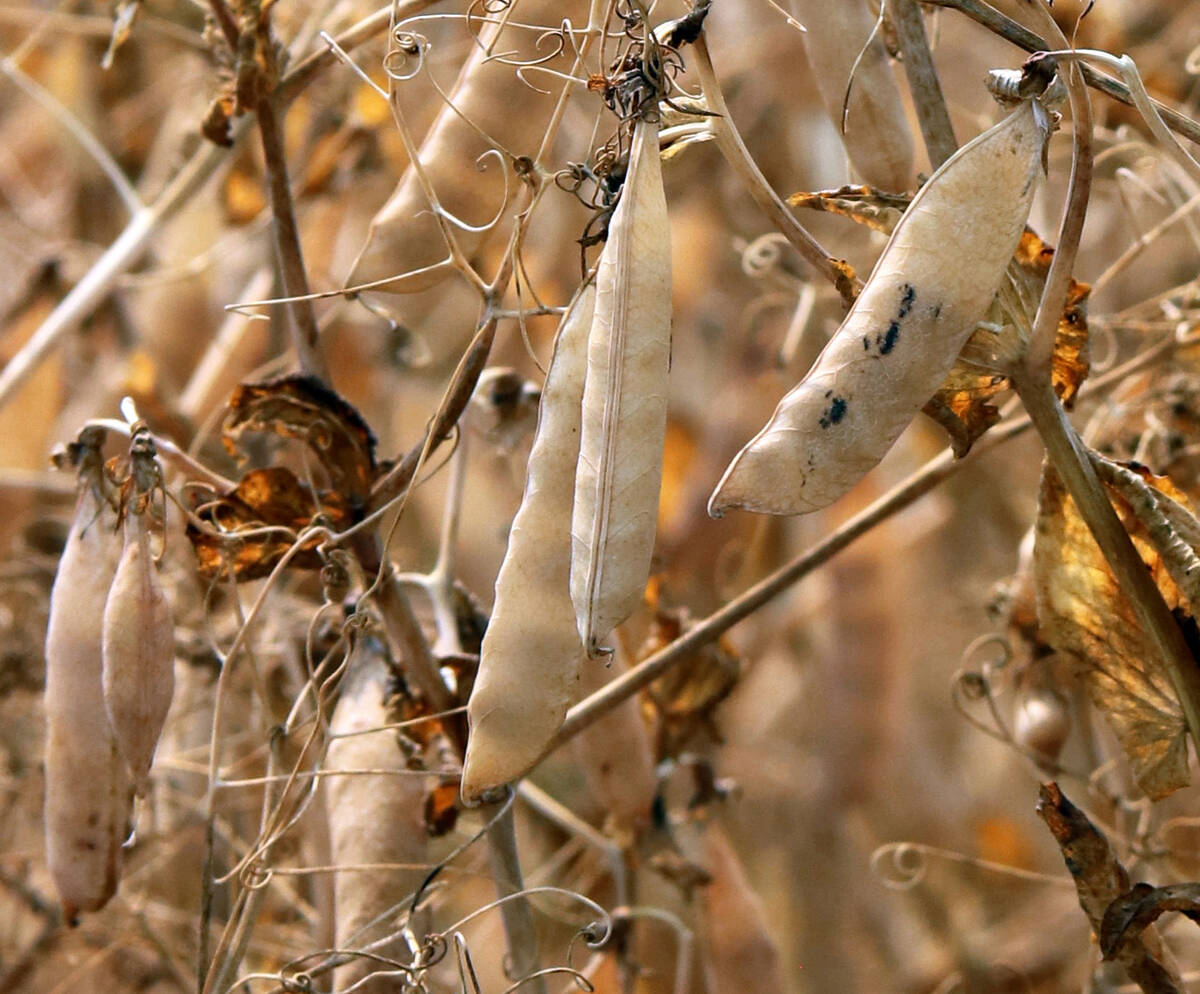
Now the issue is a surplus of peas, which for this year will be around 700,000 metric tons, according to an estimate by Reksoft consultancy.
Read Also
Prairie Wheat Weekly: Rising loonie pushes down cash prices
Cash prices for Western Canadian wheat and durum stepped back during the week ended March 11, pushed lower by a stronger Canadian dollar.
WHY IT MATTERS: Russian farmers found it difficult to replace Canadian peas in the Chinese market despite making inroads.
“Everyone went for peas, expecting high profitability. They got low prices, low profitability. As a result, there’s an oversupply and no motivation for next year,” Reksoft’s head Dmitry Krasnov said.
Reksoft estimated the pea harvest for the season that runs from June last year to July 2025 at 5.3 million metric tons, up 40 per cent from the previous year. Overall exports are expected to fall to 2 million tons, down 15 per cent as compared with the previous year.
Russia exported 1.13 million tons of peas to China in the 2023/24 season, increasing its market share to 49.1 per cent at the expense of Canada and becoming the world’s leading pea exporter.
“Hopes that China’s market will soak up any supply did not materialize,” said Sergei Pluzhnikov, head of Russian Pulses Analytics. He predicted that farmers will turn to oilseeds in pursuit of better margins.
China uses peas to produce pea protein, which, like other plant-based proteins, is used as an ingredient in many dietary food products that are growing in popularity. The country exports most of its pea protein to markets worldwide.
China applied a 100 per cent tariff to Canadian pea imports among retaliatory measures against Canada’s levies on China-made electric vehicles and steel and aluminum products.
But Krasnov said it was difficult to replace Canadian peas, which meet the requirements of Chinese producers.
“Canada remains in the market, supplying peas. The issue is quality and stable long-term contracts between Canadian suppliers and China’s processing sector,” Krasnov said.
— Reporting by Gleb Bryanski