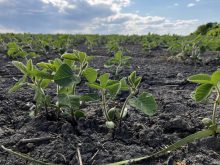

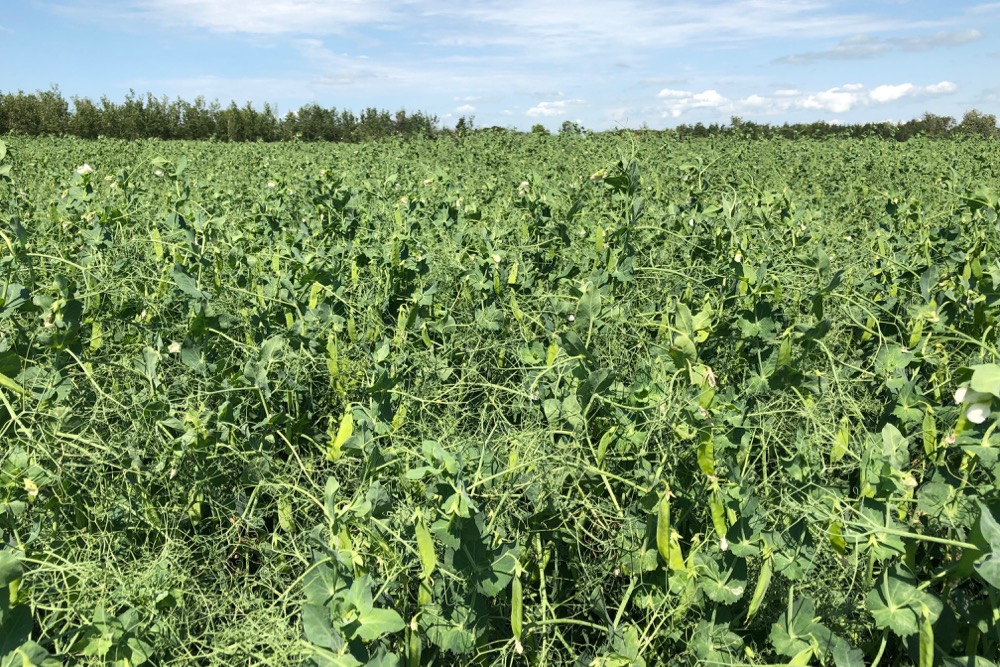
MarketsFarm — As with crops across the Prairies, pulses in Saskatchewan got a much timely shot in the arm with recent rainfall, according to Carl Potts, executive director of Saskatchewan Pulse Growers.
“I think pulse crops have benefitted from the rains we’ve had over the last two or three weeks here in the province,” he said.
Potts noted Saskatchewan, as with the rest of the Prairies, went through a dry fall and winter that continued through most of the spring seeding season. Crops were becoming quite stressed due to the stretch of above-normal temperatures with almost no rain until recently.
Read Also
Canadian trade tribunal to examine imports of frozen, canned vegetables
Canadian officials will look into whether global imports of frozen and canned vegetables are threatening Canadian growers and processors.
Statistics Canada projected Saskatchewan farmers to plant almost 3.75 million acres of lentils for 2021-22, a dip of 1.6 per cent compared to the seeded acres in 2020-21. The province’s lentil acres represent nearly 89 per cent of those across the country.
The federal agency also projected close to 2.11 million acres of dry peas sown this year. That’s down 9.2 per cent from the previous year and comprises close to 55 per cent of Canada’s dry pea acres.
Chickpea acres are down significantly in Saskatchewan, going from 252,300 acres to 142,400, according to Statistics Canada. But the province’s planted acres represent about two-thirds of what went into the ground this spring.
Dry beans are up as well, from 19,100 planted acres a year ago to a projected 26,100. That’s only 6.3 per cent of what Canadian farmers planted this year.
Faba bean acres are up in the province, going from 55,900 in 2020-21 to 61,200 in 2021-22. That’s a little half of the acres sown across Canada this year.
— Glen Hallick reports for MarketsFarm from Winnipeg.