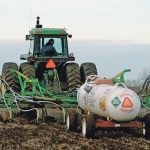

Sask. realtor see shift in farmland demand
While buyers are still willing to pay a premium for productive farmland, Saskatchewan realtors say demand for mediocre land has softened.
The price for good land in good areas is still going up, said realtor Tim Hammond. Average land in average areas is struggling.
Farm Credit Canada will release its annual farmland value report next week. Last year, land values grew by 9.3 per cent across Canada and more than 13 per cent in Saskatchewan.
A comparable situation is playing out in the U.S. where buyers are driving up the price of productive land
while demand is weak for less fertile land.
Buyers are getting pickier, said Colton Lacina of American real estate firm Farmers National Company. They are carefully assessing things like soil quality, water access and percentage of tillable acres.
AAFC plan gives details on department reductions
Agriculture Agri-Food Canada’s department plan for 2026 to 2027 has shone more light on planned job cuts.
Its bid to cut spending is expected to involve cutting 665 positions by the year of 2028 to 29. Almost 500 of those jobs will be in the department’s science and innovation branch according to estimates from the Agriculture Union, which represents Ag Canada employees.
Milton Dyck is national president of the Agriculture Union. He said science and technology is the biggest group of employees in Agriculture Agri-Food Canada. Therefore, if the government wants to cut costs, it must reduce that department.
Most of the affected people will likely be support staff however that still mean less science being done, Dyck said. These people do a lot of lab and technical work.
Of the expected 650 million dollars to be cut from Agriculture Canada’s budget in the next few years,
about 265 million is expected to come from international and domestic marketing of Canadian agriculture and agri-food products.
However, a department spokesperson said savings can be attributed to decreases in programs like the Wine Sector Support program, Youth Employment and Skills program, and Local Food Infrastructure program.
Dairy farmers look to limit market subtractions
Dairy Farmers of Canada are looking to the federal government to hold the line during the upcoming CUSMA trade deal review. That means giving no more market access to the U.S.
Canadian dairy has given up 18 per cent of the domestic market to several trade agreements said David Weins, president of Dairy Farmers of Canada. Still, dairy keeps coming up in trade discussions.
Canada’s supply-managed dairy system continues to be a sore point for the American government.
That country’s dairy industry is allowed a tariff rate quota, which manages how much it can import to Canada. How that quota is administered has been the subject of two tribunal appeals.
Weins suggested that most of the industry on both sides of the border are happy with the status quo.
He added that the federal government has supported the idea that there will be no further concession added.
Imports of U.S. dairy products in 2024 totalled 877 million dollars.