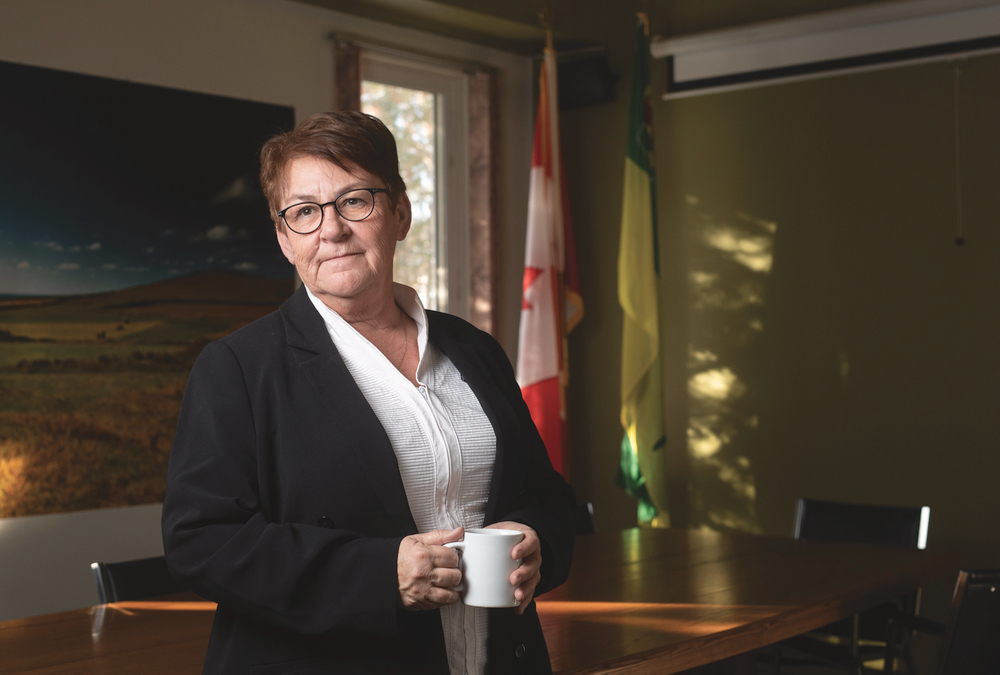

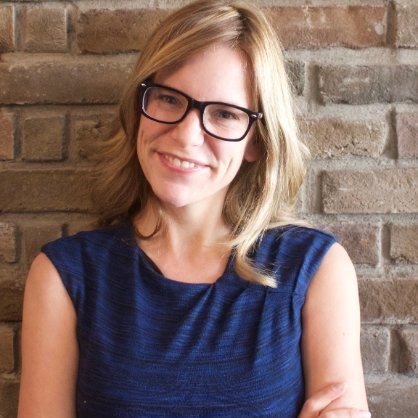

When Adele Buettner took her first job leading an agricultural association in the early 1990s, she knew of only one other female executive director in Saskatchewan.
More than 30 years later, the landscape looks very different.
Why it matters: For many industry leaders, increasing women’s representation is not about quotas, it’s about strengthening decision-making and drawing from the full talent pool.
Research consistently shows that diverse leadership teams improve organizational performance, decision quality and risk management.
According to recent data from the Canadian Agricultural Human Resource Council (CAHRC), nearly half of Canadian agricultural associations are now led by women — up from just 12 per cent a decade ago.
For Buettner, who has spent three decades managing and supporting agricultural organizations across Canada, the shift reflects a broader change in how leadership is identified and selected.
“What we’re seeing now is women are at the table,” says Buettner. “They’re coming forward, they’re interested, they’re educated, they’re motivated and they’re competitive. I feel we’ve gone from ‘token’ to ‘trusted.’”
Why associations are changing faster
The growth of women in leadership has been especially pronounced in the association sector, even as other parts of agriculture continue to lag.
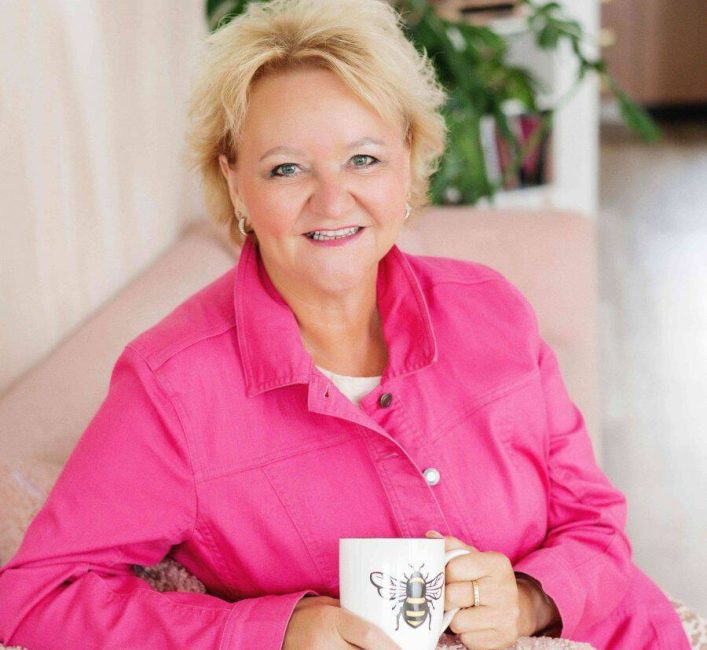
There is no single explanation for this, but the structure and culture of associations may play a role says Jennifer Wright, CAHRC’s executive director.
“They’re smaller organizations,” she says. “There might be more opportunity for women to grow into those roles, or to be considered for those roles, but we don’t have the data on that.”
Buettner points to several longer-term trends behind the shift. For instance, CAHRC’s 2025 report From the Field to the Boardroom: Women Driving Change in Canadian Agriculture shows that over the past three decades, more women have entered the workforce full time and have made up a growing share of students graduating from agricultural and veterinary programs across Canada. At the same time, hiring practices have evolved.
“Years ago, there was a lot of shoulder tapping,” she says, adding that today, searches are more formal, transparent and technology based. “They’re looking at matrixes to make sure they’re getting the right people with the right skills. That’s new.”
The result is a stronger pipeline of candidates with experience in communications, policy, stakeholder engagement and fundraising — skills boards increasingly recognize as essential to modern association leadership.

Slow progress
CAHRC’s latest research shows measurable gains across the sector. In 2025, women accounted for 42 per cent of key decision-makers in agricultural workplaces, up from 34.8 per cent in 2015. Among organizations with boards of directors, 26 per cent of board chairs were women, compared with 21 per cent a decade earlier.
At the same time, women remain under-represented in many senior leadership roles, particularly in corporate governance and commodity boards. Statistics Canada found that women held about 30 per cent of senior management roles overall in 2021, but fewer than one in five (19.4 per cent) in agriculture, forestry, fishing and hunting. On farms, women now represent just over 30 per cent of operators — an increase from roughly one-quarter in the early 1990s — but men still dominate primary ownership and decision-making roles.
“There’s been change,” Wright says. “But there’s still room for growth and change — and still some things to address.”
Persistent barriers, according to the CAHRC report, include workplace culture, limited access to leadership networks and mentors, caregiving responsibilities and fewer flexible work arrangements.
Leadership where women are most visible
Peggy Brekveld, a graduate of the Ontario-based Advanced Agricultural Leadership Program and a long-time agricultural board member, says the gains seen in association leadership are meaningful, but not evenly distributed.
“The number of women moving into leadership roles has increased over the years,” she says. “Women leaders are less likely the pioneers in the role but are building on the experiences of women pioneers in the past.”
But the pace of change varies.
“Some regions and sectors are more accepting of women in leadership than others.”
Brekveld notes that women are especially well represented in staff leadership roles such as executive directors and general managers, positions that are critical to the strength and stability of agricultural organizations.
“These are tremendous roles and vital to our agricultural organizations and to the industry,” she says. “We see less women in leadership positions on commodity and agricultural organization boards and governing bodies. Still that number has improved.”
Valuing a woman’s perspective
“There’s a lot of research that demonstrates the value and perspectives that women bring, especially in those leadership roles,” Wright says. “Different problem-solving approaches, different communication styles. I think there’s a lot of value in that in all industries, but in particular in agriculture.”
Brekveld agrees that diversity strengthens organizations.
“There is value in using every person’s gifts,” she says. “Having a variety of experiences and personalities on a leadership team makes any organization stronger. The skills and knowledge of each provide a well-rounded response to challenges faced, provide insight to how actions will both be received and how they will affect the industry.”
For Buettner, the shift ultimately reflects a healthier industry — one that is finally selecting leaders based on capability rather than tradition.
She says it’s not about women replacing men, but rather about making sure the best people are in put into these roles.
“Having the right person with the right skills is the most important thing,” she says. “If that’s a woman or a man, that’s okay — as long as it’s the right person.
As agriculture faces complex challenges around regulation, labour, sustainability and market access, she believes that broader leadership perspectives will only become more important.
“We want a strong industry, and it takes everybody to make it a strong industry.”
Click here to read our collection of women in ag stories.
Read Also

Cameras on the farm: Do I need to post signs?
If your farm cameras capture images of customers, visitors, suppliers or employees as part of running the business, you must post clear notices before people enter monitored areas.