

Canada was setting a torrid export pace of more than 100,000 replacement dairy calves a year before May, 2003. Sales of embryos, semen, beef and small ruminant genetics were setting records too, adding up to $2 billion per year.
Now, six years after the first Canadian case of BSE was confirmed, the country’s genetics exporters have slowly won back a good chunk of the ground that was taken away from them.
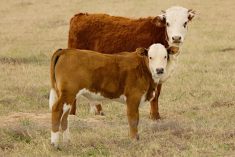
“Semen sales are even higher now than they were pre-BSE, and replacement heifer sales are on the rise,” says Rick McRonald, executive director of the Canadian Livestock Genetics Association (CLGA). The association reported exports of 40,000 dairy replacement heifers exported in 2007-2008, with 50,000 to 60,000 expected this year.
Read Also
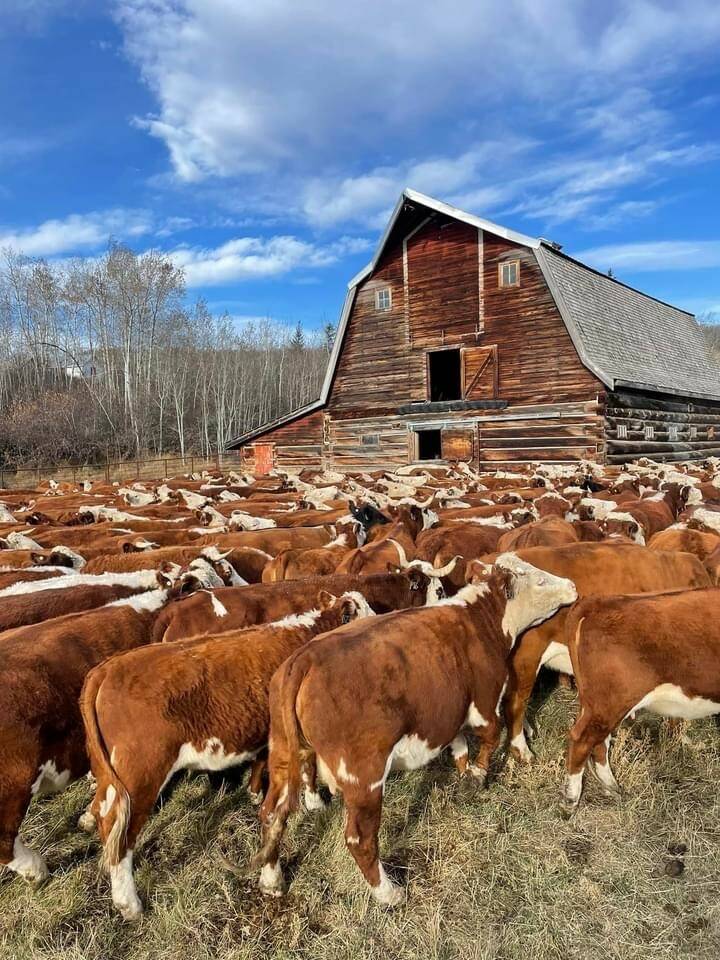
B.C. Century Farm focuses on protection and quality of their herd
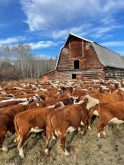
Despite numerous challeges past and present, this B.C. ranch focuses on what’s within their control to face industry headwinds.
There’s more to the story than numbers, however.
Prior to BSE, 90 per cent of Canadian live-cattle exports crossed by rail or truck into the U. S. and Mexico. Now our biggest customer is Russia, which receives cattle by boat.
It took four years after BSE before the first exports resumed, with overseas shipments of live dairy replacement cattle. New markets have been added too, including Serbia and Croatia, and Canada’s export sector can boast greater market diversity than it has seen for more than 20 years.
Market diversity means added complexity. Before BSE, McRonald explains, exporting genetics was simple — most cattle moved by truck to the U. S., the travel only took a short time, and Canada’s animal health status was very high. In fact, the system was so dependable that U. S. export sales were a major source of revenue, and export demand often influenced prices for livestock genetics domestically.
Dr. Ed Creighton, a veterinarian with the Canadian Food Inspection Agency, has been watching new trends emerge in the overseas exporting of livestock genetics since BSE and agrees that the market has changed significantly. Creighton notes that prior to BSE, overseas demand for prizewinning quality cattle was greater than quantity, and animals were often shipped by Plane.
Although buyers are still looking for quality today, they are purchasing larger quantities requiring ships for transportation.
“There can be a lot of cattle at sea at any one time,” says Dr. Reny Lothdrop who has been accompanying shipments for many years both pre-and post-BSE. Depending on the destination, a boatload of animals can be at sea 18 to 20 days and, to ensure the health and safety of the animals, shipments are typically accompanied by a veterinarian. “My job is to meet the animals as they load the boat, settle them in for the trip, collaborate with the crew and inspect the animals several times a day for injuries, illness and calving,” says Lothdrop. The overseas journey is often hard on the animals: cattle don’t get seasick, but they often become over-tired and stressed because they don’t lie down to rest when the sea is rough.
With most of the repercussions from BSE behind it, the Canadian dairy export industry is making a strong comeback while the beef and small ruminant sectors continue to struggle. Beef breeding animals, semen and embryo sales have resumed with some countries, but not as quickly as the dairy industry, while meat exports remain limited. Small ruminant animals such as goats and sheep have been able to sell some semen and embryos overseas, but trade with the U. S. and Mexico also remains limited.
The future of the livestock genetic export industry is already being re-shaped by new initiatives that support sales and repeat buying. Some buyers are looking not only for genetics, but for assistance and training to build their dairy herds and overall industry as well.
Many Russian buyers for example are also turning to Canada in order to source Canadian expertise and equipment. The Russian dairy industry declined after the Soviet Union and it is now rebuilding from the ground up. The goal is to become self sufficient in milk production by building new barns and filling them with Canadian cattle.
Along with facilitating trade the CLGA arranges educators such as veterinarians and nutritionists to train and organize dairy herds and operations in Russia. Non-genetics members of the CLGA such as equipment and building companies are also conducting business in Russia, helping to build and modernize facilities. “Buyers are turning to Canadian animals for genetic potential and Canadians are following those exported animals overseas to educate and train making sure that our animals continue to perform to their highest potential and create repeat customers,” says McRonald.
Opportunities in the livestock genetic export market will continue to emerge as the Canadian industry recovers from the effects of BSE. McRonald predicts that once the current economic downturn recovers demand will continue to grow. “The key to remaining competitive is to keep on top of genetics and animal health,” says McRonald. “Canada needs to continue to invest in its animal health status to keep abreast in the world market.” CG