
Decisions on Kristen Raney’s Saskatchewan flower farm are made months before summer arrives.
In the white and gray of a Saskatchewan winter, Raney was already thinking about rich chocolate browns, peaches and soft pink tones, and exploring wedding trends for 2025.
She scoured Pinterest for arrangement ideas and colour schemes so that she’d know what to sow come spring.
Read Also
Farm & Family – March 6 edition
Can a farmer also be a conservationist? The short answer is “yes.” But it’s a balancing act and an on-going…
For instance, a rich chocolate brown called Mocha Mousse was chosen as the 2025 colour of the year by the Pantone Color Institute, so Raney planned out ways to incorporate brown tones into her flower beds and floral creations.
“The first two years, you need to plant a bit of everything, just to figure out what you’re good at, what you like and what customers like.
Kristen Raney
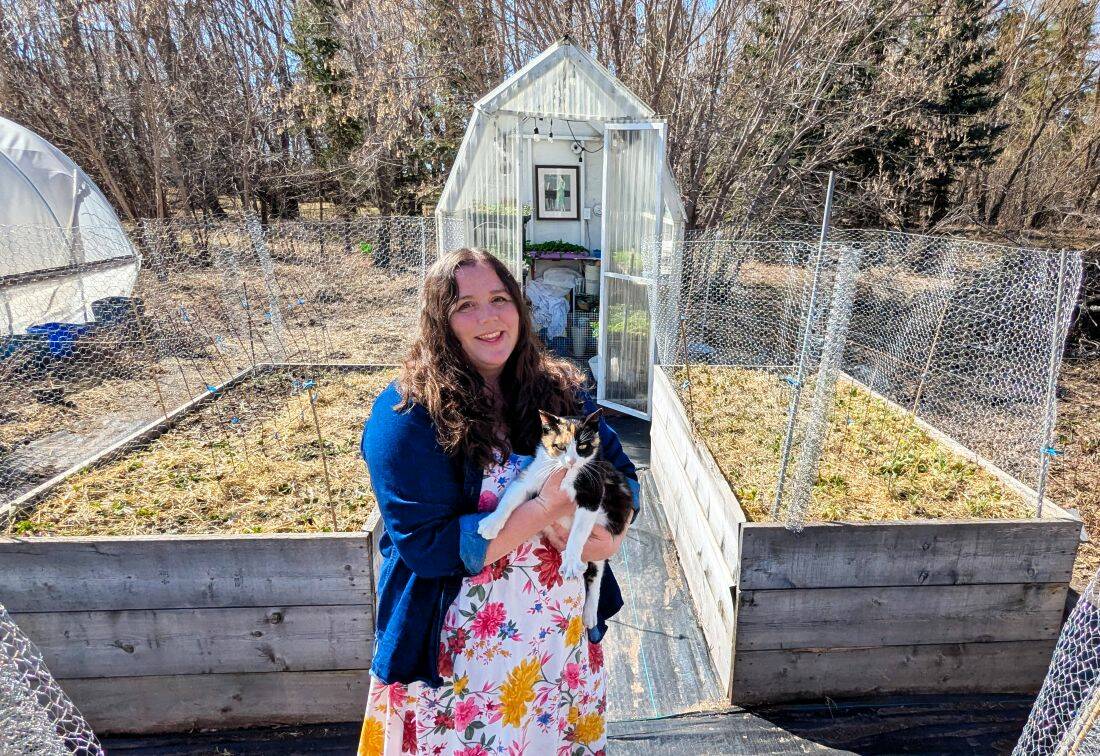
By April, her first plants in the greenhouse were showing signs of life and perennials were popping up in her 3,600-square-foot garden and 256 square feet of raised beds.
Raney says her first spring crop typically works out to 80 per cent of total plant growth. Successive plantings go until mid-July and make up the other 20 per cent of her inventory which lasts until October.
She started Shifting Blooms in 2021 and says, “The first two years, you need to plant a bit of everything, just to figure out what you’re good at, what you like and what customers like. But after year three, year four, you’re really trying to narrow down the things that make sense and get good at planting just those crops.”
Raney has learned that even her trials and errors have not been a waste — and there’s been a lot of experimenting over the years. She’s used these learning experiences to her advantage, though.
For example, she took what she learned from working with cool-season flowers and hardy annuals and put together an e-book about how to grow a frost-proof garden.
Experimenting also means that she knows what she needs to do to ensure crops survive in this type of soil and environment. For example, she says that some varieties need a bit more hardening up so that they can survive transplanting into the outdoor gardens while other plants require a more consistent water supply than her sandy soils can offer.
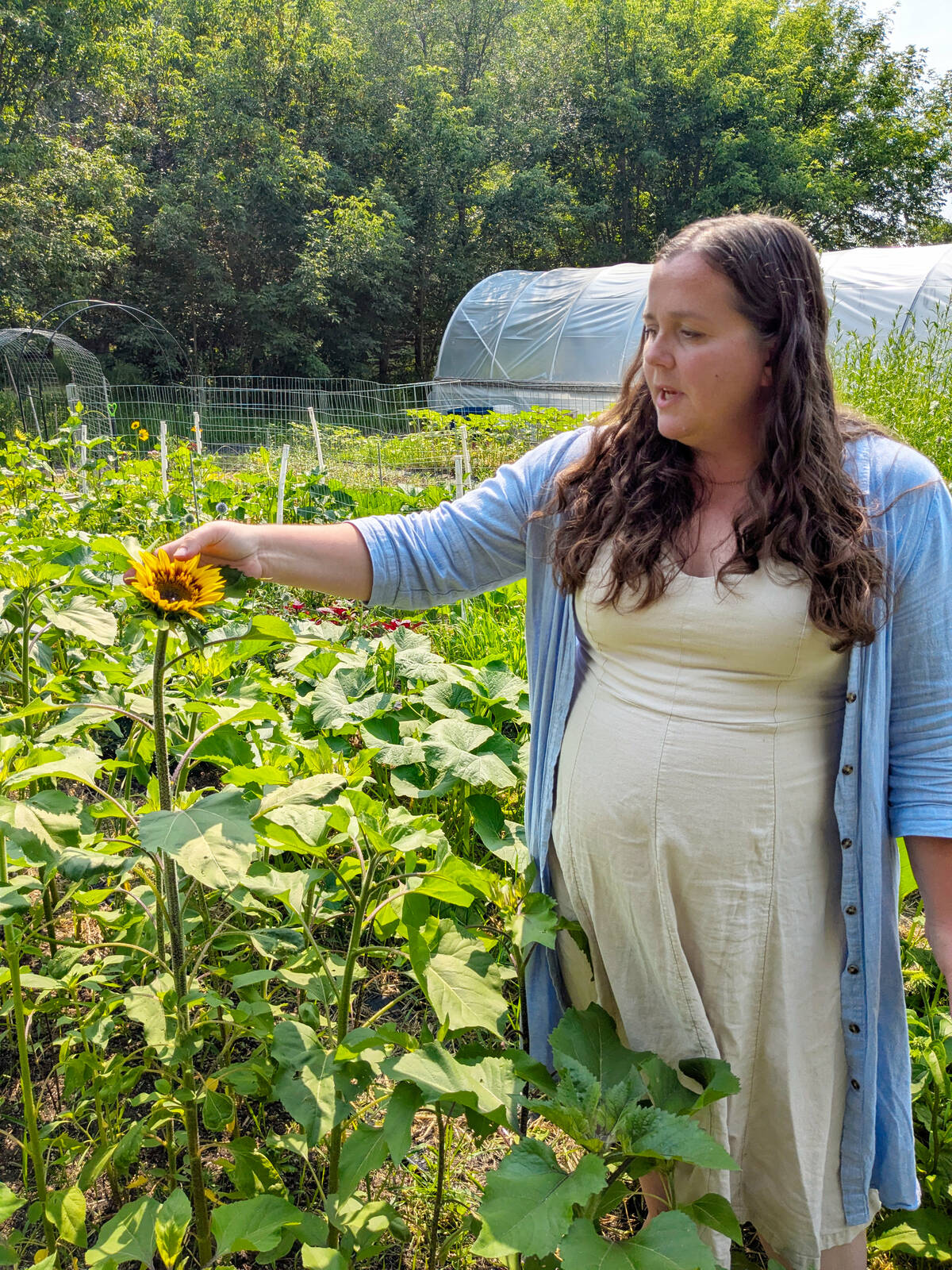
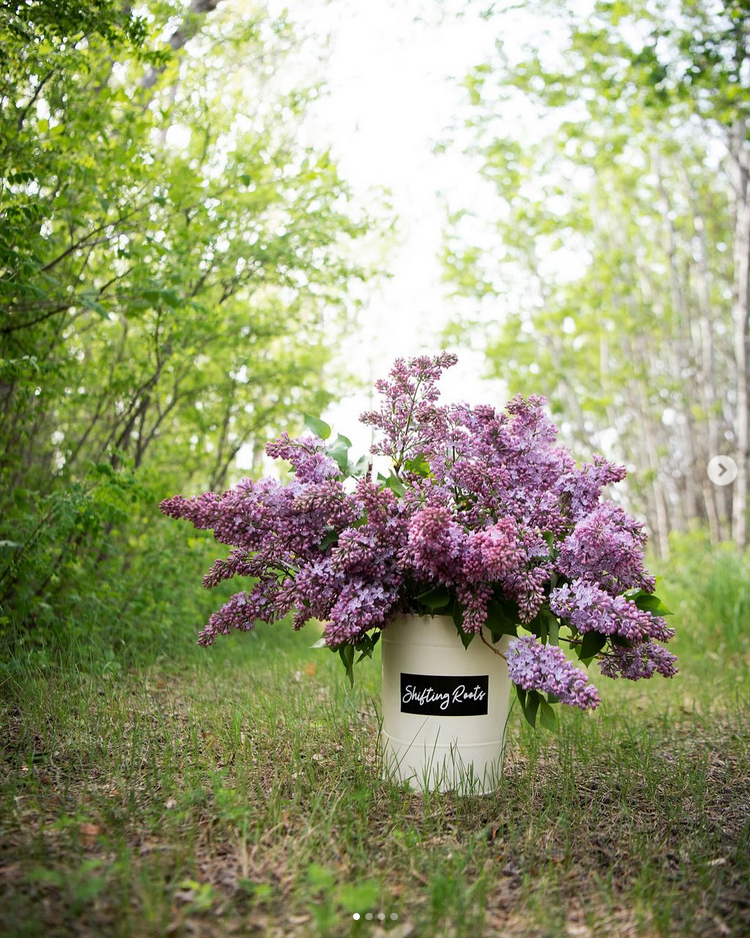
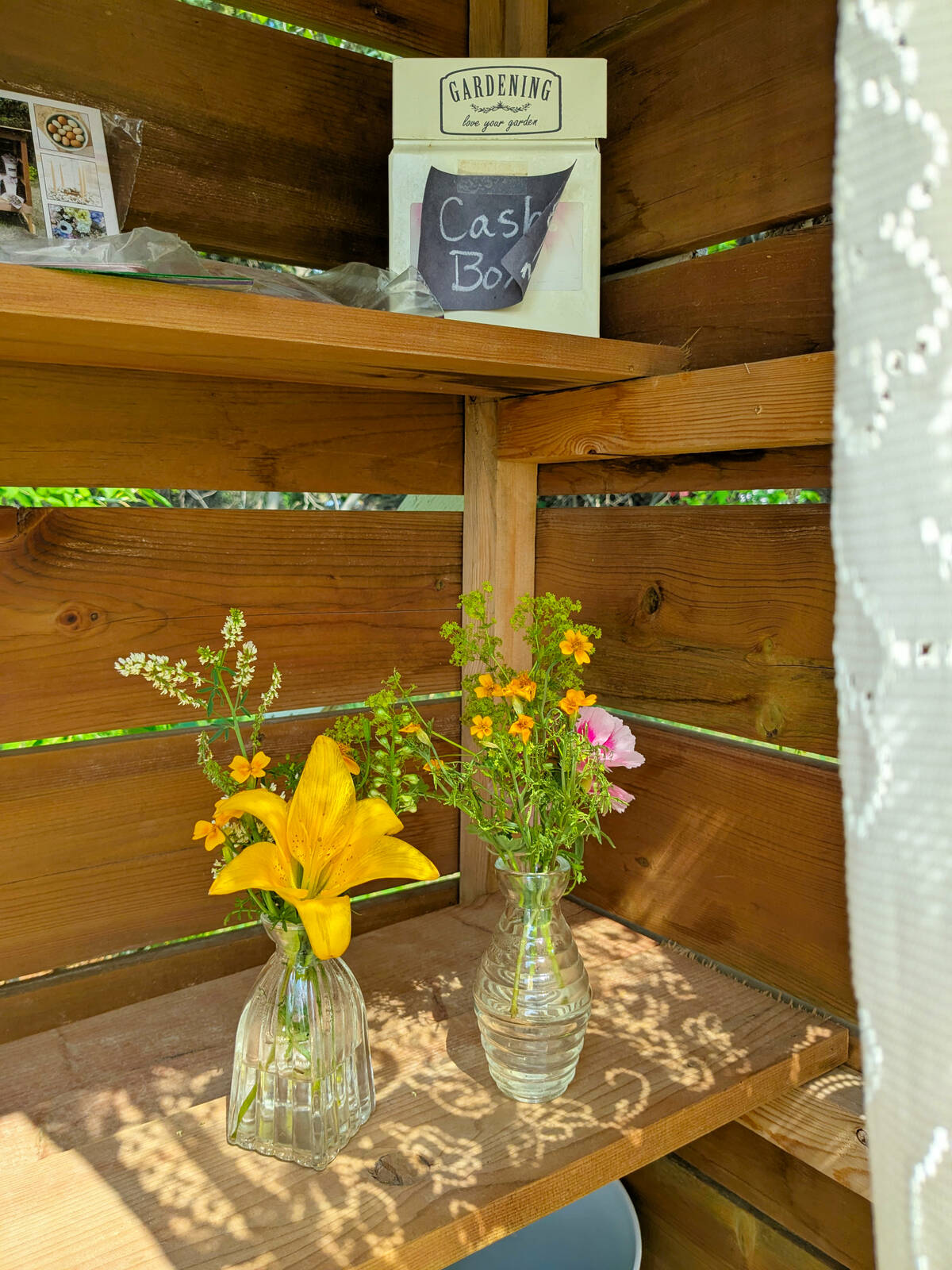
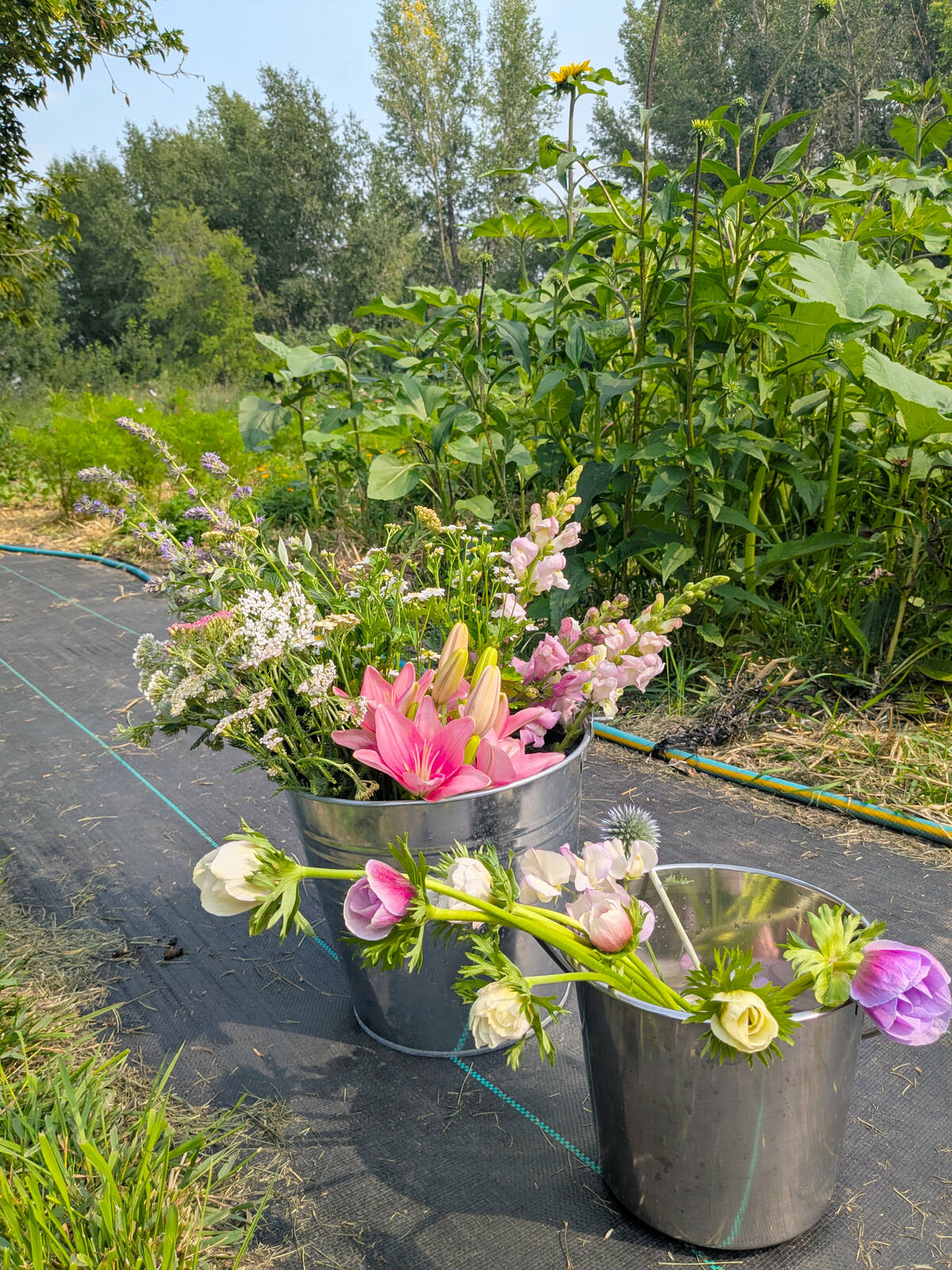
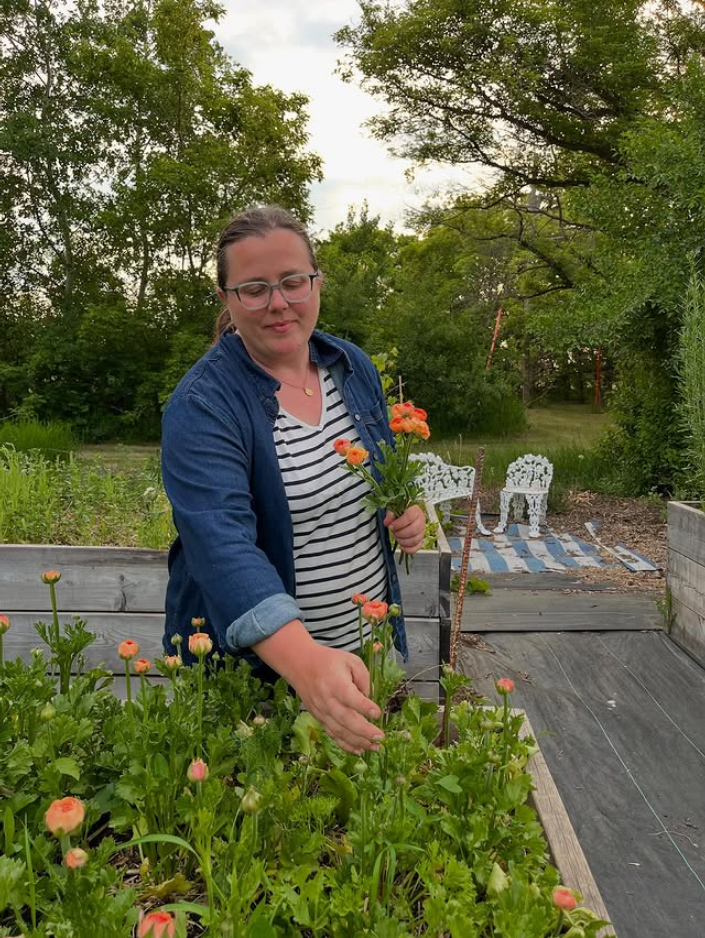
“I find it really hard to direct sow anything, because I just can’t keep the soil wet enough for long enough to get decent germination,” says Raney.
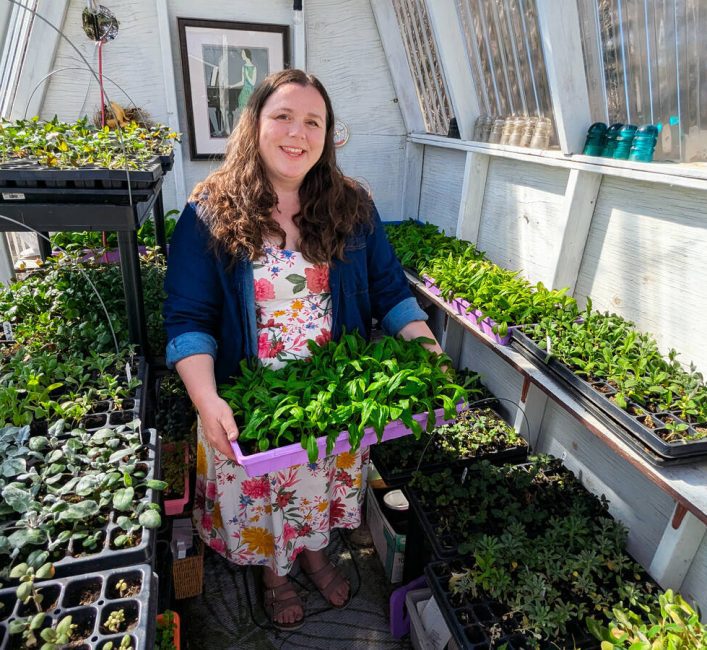
By May, 70 per cent of her plants are in the ground. The remaining 30 per cent are still snuggled in the basement and greenhouses and comprise part of her successive planting schedule.
Since her first wedding of the 2025 season was at the beginning of June, she cautioned early-season couples that they’d have to be flexible with the choice of flowers she could offer based on what grows at that time of year in chilly Saskatchewan.
Given the state of the economy, Raney says that she and other florists have noticed a change in wedding orders. DIY buckets — literally a bucket of flowers that bridal parties arrange themselves — were very popular this year.
Raney also sells custom bouquets at her roadside farm stand located at the end of her driveway. With small kids at home, she wanted a way to cut back on market appearances while still being able to sell produce. She also uses the stand as a pickup spot for orders and offers ready-to-sell bouquets. She says that if she notices someone at the stand, she’ll often go and visit, but if she’s busy her phone number is on the sign — which is especially helpful for people looking to buy her farm-fresh eggs.
The mix of Ameraucana, Easter Egger, Swedish flower hens, Copper Marans, Silkies, an Orpington and a Polish chicken create a rainbow of eggs for her farm stand. But her chickens give so much more than eggs.
“I realized how good their litter was for the garden,” says Raney. “It just made sense to try to increase our number of chickens so that we would have a fighting chance at fertilizing most of the garden.”
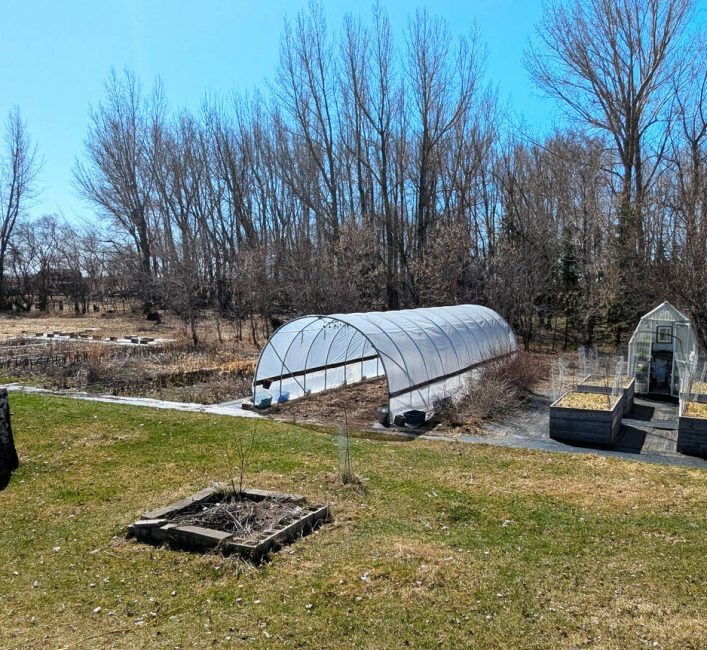
Raney cleans out her coops twice a year, once in the spring after the snow melts and once in late fall. As she notes on her gardening blog, she quickly noticed a big difference in the quality of the soil.
“The soil in my pumpkin patch is pretty bad, but before planting, I put manure in each plant hole and then I put well-rotted chicken bedding in my garden early in the season. Unfortunately, I could only fill about half the holes, but a few weeks later you could see a big difference in the pumpkins that got the chicken manure versus those that did not.”
The chickens are free to roam through the gardens, spread their manure, and eat bugs and grass. This saves Raney mowing time and has reduced bug pressure on her flowers during peak growing season.
“We don’t have ticks in our yard. The chickens also eat pretty much all the lily beetles. They don’t get every grasshopper, but they do get a good chunk of them,” Raney says.
Given all the benefits, she gladly puts up with the challenges of her flock.
For instance, they can be quite destructive. When there were only three birds, she didn’t notice as much destruction compared to the current 50-bird flock.
Because Raney tries to make the most out of Saskatchewan’s short growing season, she starts as many plants as she can before the snow has even melted, but for chickens, these newly emerged seedlings are delicious treats. This past year, they nibbled on the trays of the pink and purple flowers Raney was planning to use for winter advent wreaths.
“If I want it to live, I have to put chicken wire around it. When I have seedlings in the garden, I’ll just temporarily fence off those sections, row by row, and then once the plants reach a certain height, I take everything away.”
Working with the weather
Operating a business that is at the mercy of the weather means it’s always a gamble whether the hard work will pay off. Sticking to a daily routine helps Raney stay on top of the busy season — and, she hopes, beat the odds.
Weeding and watering are constant during the midsummer peak and so, from June to August, this flower farmer and blogger maintains a strict routine to keep up with the demands of weddings, artisanal markets and the farm stand.
First thing Monday mornings, Raney looks through orders and figures out which wholesale retailers she’ll need to contact to fill any missing flowers she doesn’t have growing or ready in her gardens. She picks up replacement orders on Tuesdays or Thursdays since Friday is when she prepares her orders for pickup. Wednesdays and Thursdays are reserved for cutting flowers.
Thanksgiving weekend and the first frost of the season spell the end for her roadside garden stand and flower gardens, but Christmas markets and wreath-making workshops will keep her busy until a well-earned post-Christmas break.
About 25 per cent of her total flower crop is grown and dried for late season markets and workshops, such as statice, strawflowers, poppy seed heads and eryngium and she’s still experimenting with other late season blooms. For example, her garden turned out some very large marigold heads this year, so she will see how they take to the drying process.
By the end of August early blooms have already been harvested, so her fall flower bed makeover schedule can begin. Gardens get some TLC with a few loads of manure before the snow flies. Raney’s minimum tillage approach means that all leftover plants and plant parts are left to break down over the winter which helps retain the snow for early spring moisture. She’ll also add beneficial loads of biomass, such as fall leaves, from her yard.
She will till her gardens in the spring and if the weeds in a particular section turn out to be especially challenging, she might have to till a second time. She also plans to add an additional 1,200-square feet of flower beds to the existing 3,600 square feet.
Any unmanageable garden space (due to soil quality) is put into a cover crop or becomes an expansion of the pumpkin crop. Since she has been struggling with sandy and low-quality soil for a few years she says that well-growing pumpkin plants indicate healthy soil.
And beyond finishing out the season, Raney is already preparing and making decisions for next spring.
By late August, she’s already purchased half her seed for the next growing season. Since she orders seeds from the U.S., she is competing with their schedule.
“All of the Americans in the southern states, they’d be putting their cool flowers in the ground (in August). They’re buying all those seeds from the seed companies that I tend to use as well. When I’ve typically ordered seeds, say, in December, they’re sold out of a lot of things,” says Raney.
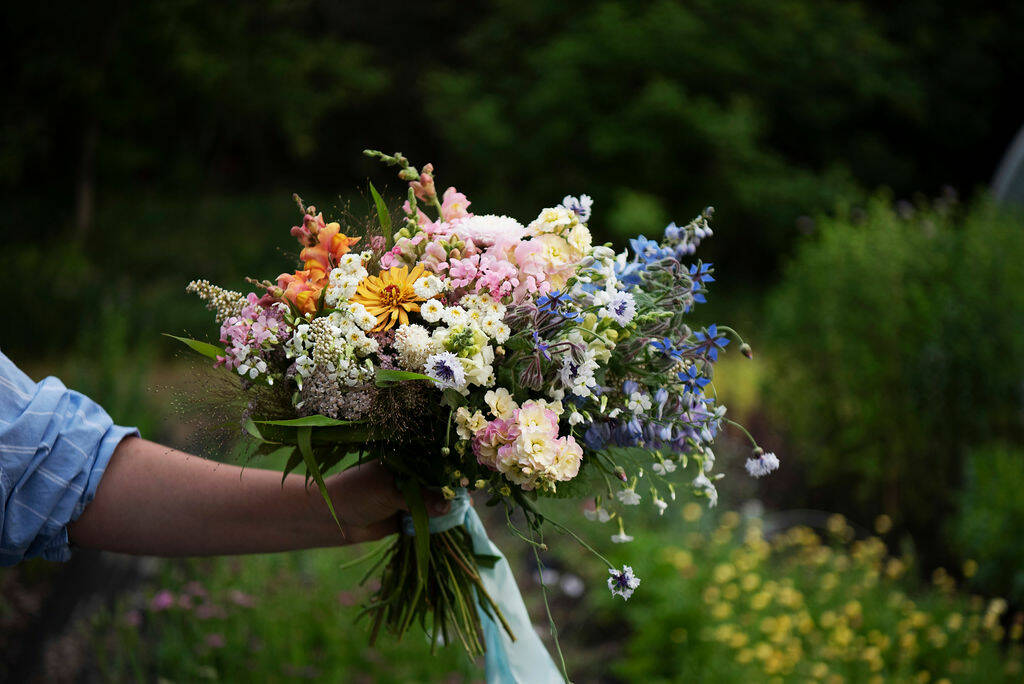
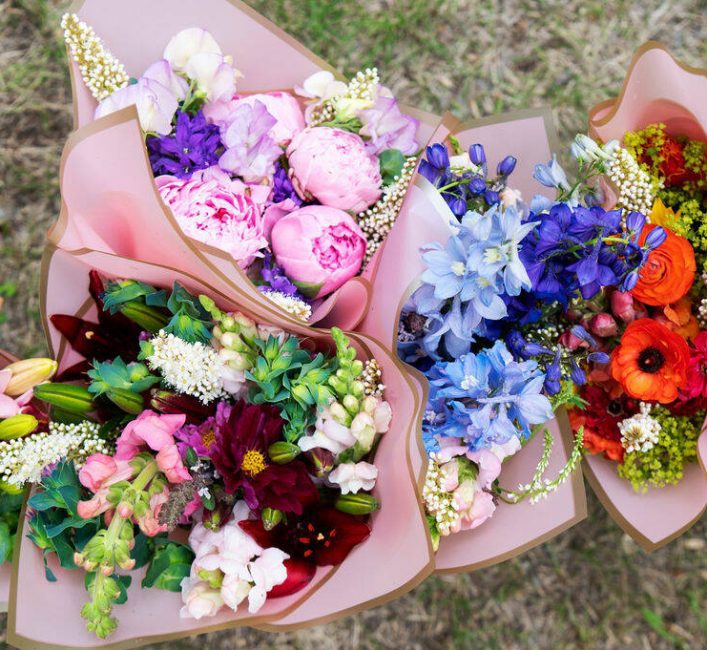
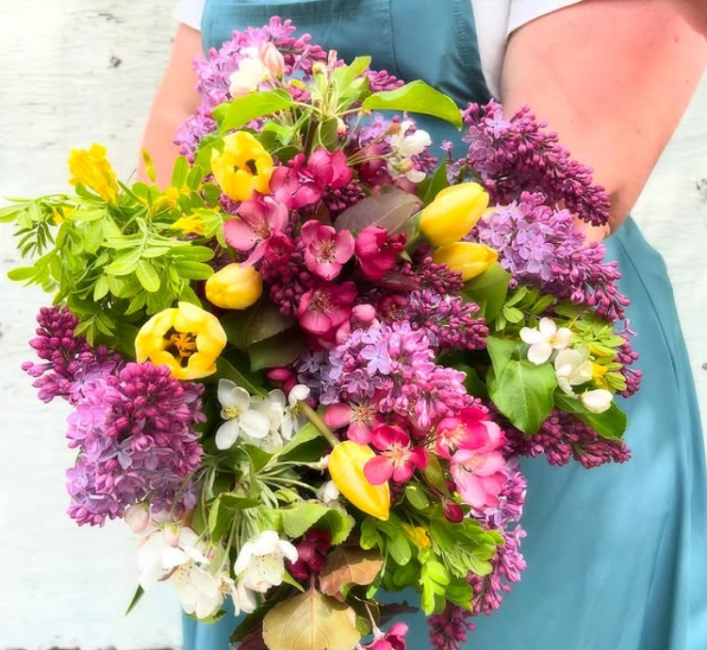
Early fall is also when Raney picks up new perennial varieties. Phlox is her new favourite, and she’s already bought some irises, lilies and burnet from local flower farmers looking to downsize. She also got some plants from a farmer who specializes in native species and drought-resistant flowers.
Raney has been an avid seed saver over the years, and she’s realized that some flowers grow differently the second time around. For example, seeds from saved marigolds have a different shaped bloom. She cares for flowers differently if they are being used for seed rather than grown for cut flower orders.
After 25 weddings and 15 markets throughout the busy season (mostly during the summer, but there are still a few in late fall and early winter), Raney will take some well-earned vacation time — as she says, some “space and grace” — while her garden rests under the snow.
The end of the season means another year of growing flowers on the Saskatchewan prairie has come full circle for Shifting Blooms. CG