
At first glance, the Rosthern area might seem an unlikely location for any processor or manufacturer. After all, you can’t go much farther north before the road system begins to peter out, replaced by mile upon mile of bush and trees.
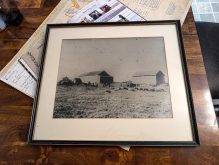
Tucked in between the North and South Saskatchewan rivers, the region is undeniably scenic and historic — the nearby southbranch Métis communities were at the heart of the Riel Rebellion of 1885. Rosthern is also a reasonably prosperous farm service centre with the usual businesses, services and amenities, and it also benefits from its proximity to Saskatoon, which is just down the highway.
Read Also
The changing landscape of Canadian food demand
Changing eating habits are creating both risks and new opportunities for Canadian farmers and processors.
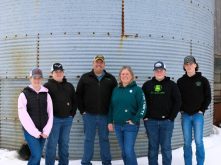
But it’s also obvious to even the casual visitor what the town isn’t — a bustling manufacturing centre, for example. So what led Horizon Pet Nutrition to build a plant here? The answer, says farmer and Horizon partner Jason Skotheim, is the community’s many, largely unrecognized benefits to a processor.
For example there’s the distance to Saskatoon — at 45 miles it’s just a bit far for a daily commute for anything but the most lucrative jobs, so the local labour market is decoupled from urban influence, Skotheim explains.
“We found there were a lot of excellent potential employees who lived here already and were interested in working for our company to save themselves that commute,” Skotheim says. “That was important because even back in 2004, we were already seeing the Alberta effect on the Saskatoon labour market.”
But another key is the fact that Saskatoon remains just close enough to allow the company to capture freight efficiencies which are available due to the nature of that city. It’s a major distribution centre for the region’s population, and truck after truck full of consumer goods from other locales flood into the city daily.
But the relative lack of outbound shipping makes the city into what’s known in the unadorned language of the trucking industry as a roach motel — it’s easy to check in but bordering on impossible to check out. In other words, there are plenty of trucking outfits willing to haul any load that will get them back on the road with at least some of their expenses paid for.
“It means we can get a shipment into Toronto, for example at a really good rate,” Skotheim says. “I’d have to say our transportation costs are as competitive as any-one’s.”
Another unconsidered benefit is the fact that Rosthern is quite close to the boundary of the northern and southern grain belts. This reduces raw material supply risk by letting Horizon source grain and pulses from either region, depending on availability, price and other factors.
“It really is a great location for all these reasons,” Skotheim says.
In fact, it’s so good that the company plans to expand its operations in that location if its market share continues to grow.
“We still have a little bit of capacity here,” Skotheim says of the existing location.
“But if growth continues as it has, we’re going to need to expand in a year or so.”
So while Skotheim admits he and his partners did briefly consider whether their growing presence in the U.S. market warranted a plant in that country, possibly in North Dakota, he quickly adds that spreading the company too thin over too many locations would risk sending it down the same road as its multinational competitors, with far too much opportunity for things to go wrong.
Says Skotheim: “We want to keep it all in one spot where we can manage it.”