
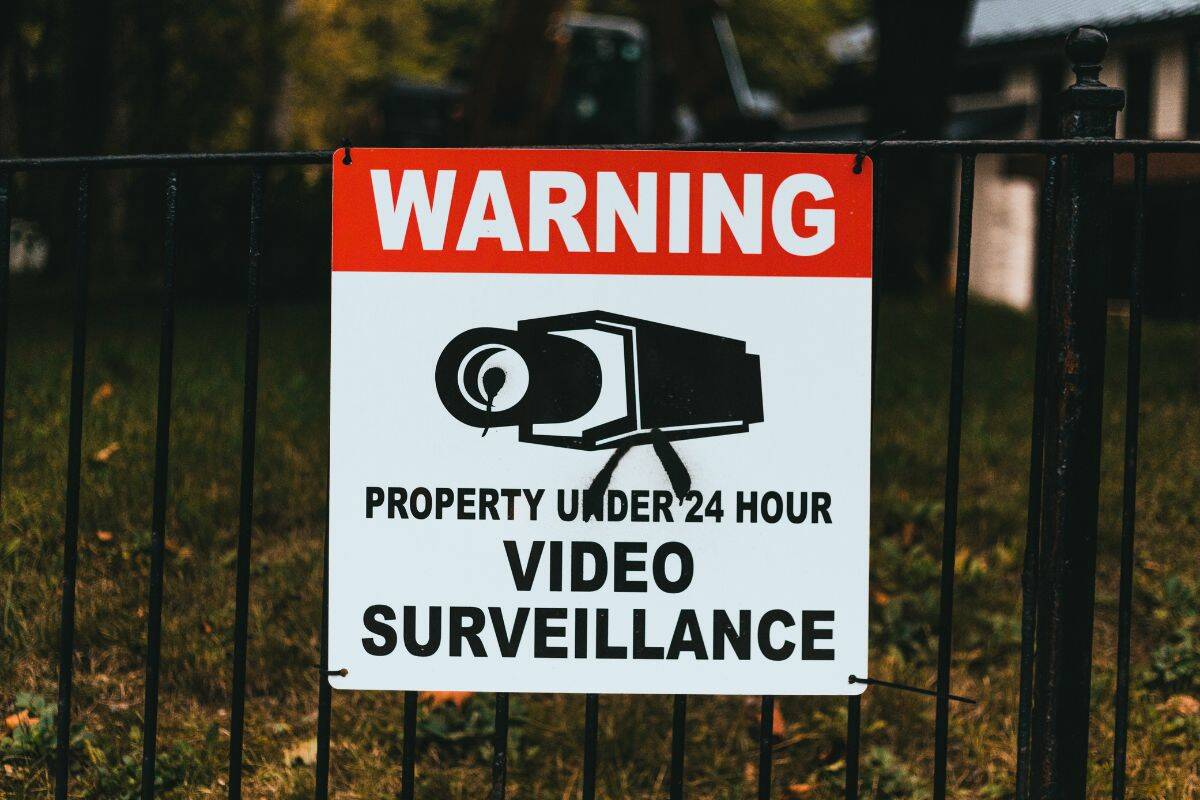
If your farm cameras capture images of customers, visitors, suppliers or employees as part of running the business, you must post clear notices before people enter monitored areas.
Signs should state that video surveillance is in use, the purpose (e.g., security/safety) and provide a contact for questions or access requests.
If cameras are used strictly for personal/domestic purposes (e.g., monitoring your private residence) and not for commercial activity, posting signs isn’t legally required but remains good practice to avoid disputes.
Read Also
B.C. Century Farm focuses on protection and quality of their herd
Despite numerous challeges past and present, this B.C. ranch focuses on what’s within their control to face industry headwinds.
Why signs matter
When cameras capture identifiable individuals, it constitutes a collection of personal information under Canadian privacy laws.
For private-sector organizations (such as commercial farms), the federal Personal Information Protection and Electronic Documents Act (PIPEDA), or substantially similar provincial laws (Alberta, B.C., Quebec), require transparency about the collection and use of that information.
Privacy commissioner guidelines about the use of video surveillance technology indicate that you should inform people before they enter a monitored area so they can make an informed choice about entering. They say that you should be ready to answer questions about the use, retention and safeguarding of recordings. Privacy commissioners have also emphasized proportionate camera placement and limiting what you collect, for example, not pointing at public sidewalks or neighbouring yards, and not capturing inside private spaces like washrooms or into residences.
Personal/domestic versus business use on the farm
A key consideration is whether cameras are used in the course of commercial activity. If cameras only monitor your private residence areas for personal/domestic purposes (i.e., not your farm business premises or publicly accessible areas), then the above privacy laws do not apply.
Even then, other laws and claims (e.g., the federal Privacy Act, nuisance, statutory privacy torts, voyeurism and interception of private communications under the Criminal Code) can still be engaged if cameras intrude on neighbours’ privacy, are pointed at places with a heightened expectation of privacy, or record audio without consent. Although not legally required, it may be best practice to post signs even when cameras are only used for personal/domestic purposes to avoid any disputes.
By contrast, if cameras monitor any area used for the business, such as farm stores, driveways or yards where customers, delivery drivers, inspectors or seasonal workers come and go, privacy obligations apply. In those settings, signs are expected, camera coverage must be limited to what’s necessary, and recordings must be safeguarded and retained only as long as needed for the stated purposes.
Employees and contractors: notice and reasonableness
If your cameras capture employees or contractors, you must be transparent about monitoring and purposes, limit collection to what’s necessary (e.g., safety/security), avoid sensitive areas and not use surveillance to manage routine performance unless employees have been properly informed and employee policy supports it. Hidden cameras are generally not justified except in narrow, well‑documented investigations where notice would defeat the purpose and all less intrusive measures have failed.
Audio recording
Businesses subject to privacy laws should limit their collection of personal information to what is necessary for the stated purpose. Most farms can meet their security objectives with video only, so unless you have a clear lawful need and a valid basis to obtain consent, disable any audio recording features.
What good signage looks like
Post signs at entrances to your farm and buildings and before people enter monitored areas. Keep signs visible, simple and informative. Your sign should state that video surveillance is in use, the purpose and how to contact you with questions or access requests. If you operate in regions where both official languages are expected, post bilingual notices.
Sample wording: “This area is under video surveillance for security and safety. For questions or access requests, contact (farm name/privacy contact) at (phone/email).”
Place cameras thoughtfully
Aim cameras only where needed to deter theft, protect people or secure assets. Avoid aiming at neighbouring properties, public sidewalks or roads where possible, sensitive spaces (e.g., washrooms) or into private residences. If cameras are adjustable, restrict users from panning/zooming into off‑limit areas. Where public or neighbour capture is unavoidable, narrow the field of view, mask privacy zones or reposition.
Handle footage carefully
If you record, store footage securely with limited access, keep it only as long as needed for your stated purpose (for example, a short rolling retention unless an incident is flagged) and be prepared to respond if an individual requests access to images of themselves. Document your purpose, locations, retention, access rules and safeguards in a short, practical policy. If you disclose footage outside the farm (e.g., to police), record what was shared and why.
Note: This article is of a general nature only and does not constitute legal advice. Laws may change and should be interpreted in the context of particular circumstances. Consult legal counsel for advice about your specific situation. If you have a topic you would like to hear about, please email [email protected].