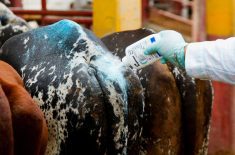

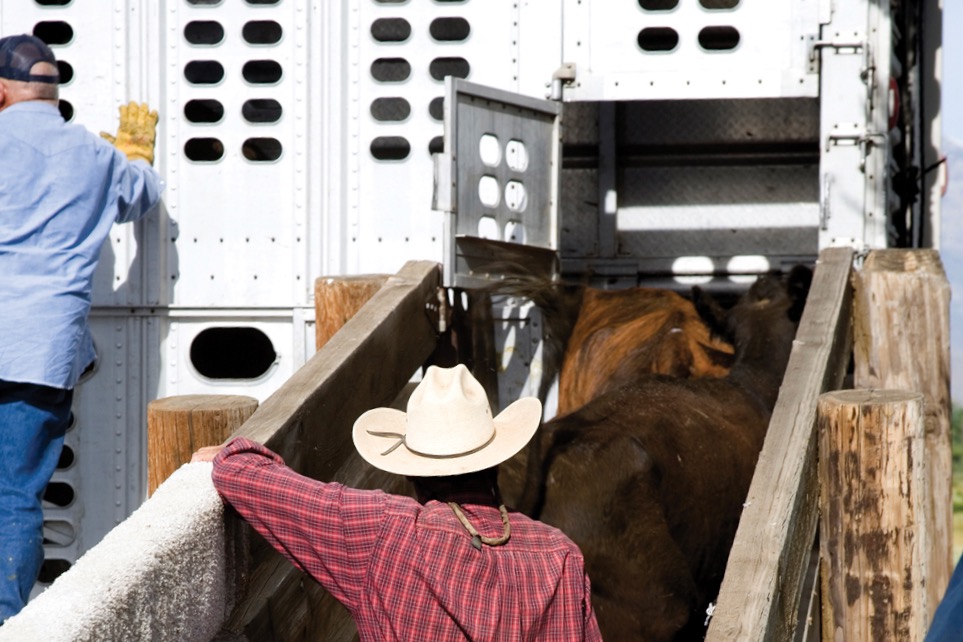
The U.S. Department of Agriculture will not restrict cattle imports from Mexico after another discovery of a damaging pest called New World screwworm in a cow south of the border, the agency said on Tuesday.
U.S. cattle supplies tightened in recent months after Washington in late November blocked Mexican livestock shipments over the discovery of screwworm in a cow in Mexico.
Another case of screwworm was found in a cow in Mexico’s Tabasco state last week, according to the World Organization for Animal Health.
Read Also
Australian farmers shift to less fertilizer-intensive crops as Iran war costs surge
Australian farmers are expected to favour less nitrogen-intensive crops such as barley over wheat and canola in the upcoming season due to rising fertilizer and fuel costs.
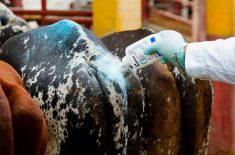
The pest can infest livestock, wildlife and in rare cases, people. Maggots from screwworm flies burrow into the skin of living animals, causing serious and often fatal damage.
The USDA said on February 1 it would lift the ban it imposed in November under new protocols to assess the health of animals before they enter the U.S. from Mexico.
The agency will not take additional action based on the latest detection, USDA said on Tuesday in response to a question about whether it would halt imports again.
“The comprehensive pre-clearance inspection and treatment protocol is now in place and will ensure safe movement of cattle and bison into the United States and mitigate the threat of New World screwworm,” USDA said.
The latest discovery pushed up feeder cattle futures at the Chicago Mercantile Exchange as some traders anticipated USDA might halt imports from Mexico again.
U.S. cattle supplies are at their lowest levels in 74 years and beef prices are high after ranchers slashed their herds because drought reduced the amount of land available for grazing.