

Chicago | Reuters — U.S. hog futures on Friday pulled back from a rally the previous session as large supplies and doubts about Chinese imports weighed on the market, analysts said.
Chicago Mercantile Exchange (CME) August lean hog futures settled down 0.35 cent at 49.875 cents/lb. (all figures US$). The contract has rebounded slightly since dipping to a life-of-contract low of 47.525 cents on June 29.
Some traders hope the market has bottomed after setting contract lows, although it still faces pressure from large U.S. supplies.
Read Also
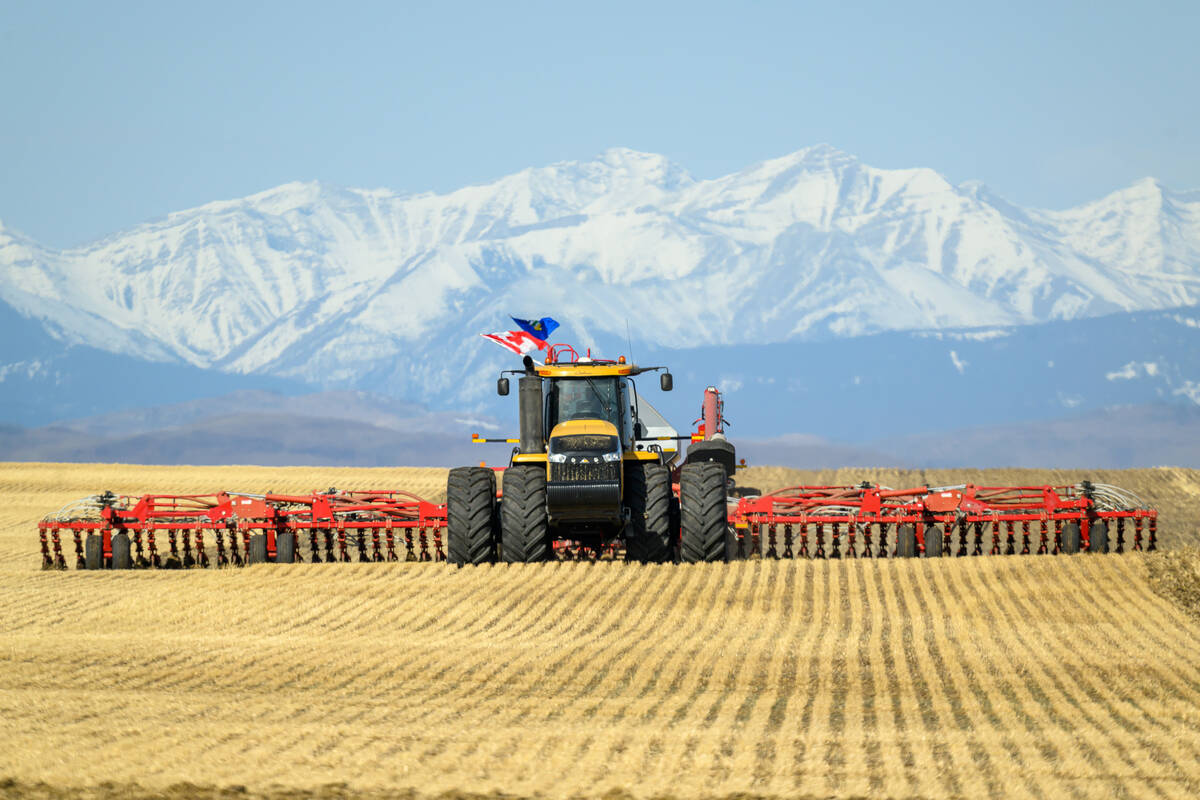
Despite cheaper land costs, Canadian farmers at slight revenue disadvantage to U.S.
American farmland prices are consitently higher than Canadian values. However, American farmers see a slight advantage based on revenue per acre dedicated to land payments.
“We finally got some short covering in that hog market but it’s going to be tough to sustain a rally,” said Brian Hoops, president of broker Midwest Market Solutions.
U.S. farmers hope China remains a strong buyer of their pork to consume excess supplies.
U.S. President Donald Trump said on Friday he is not thinking about negotiating a “Phase Two” trade deal with China as relations between Washington and Beijing sour over the coronavirus pandemic and other issues.
In the beef market, cattle futures jumped as prices for corn used to feed livestock tumbled. Lower corn prices can raise the potential for feedlots to pay more for calves.
CME August live cattle settled up 0.75 cent at 100 cents/lb. August feeder cattle rose 1.225 cents, to 135.75 cents/lb.
Beef packers are estimated to slaughter 664,000 cattle this week, compared to 593,000 cattle a week earlier and 658,000 cattle a year ago, according to the U.S. Department of Agriculture.
Processors are trying to work through cattle that backed up in feedlots when slaughterhouses closed in April as meatpacking workers became infected with the new coronavirus.
JBS USA, one of four major U.S. beef packers, said its plant in Greeley, Colorado, “experienced a brief work disruption” on Friday, without giving details. The disruption “was resolved without incident,” the company said.
— Tom Polansek reports on agriculture and ag commodities for Reuters from Chicago.