

A warning to southwestern Ontario’s poultry producers in May to step up biosecurity over a non-avian-flu-related disease outbreak has been lifted.
The Feather Board Command Centre, the emergency response office for Ontario’s poultry and egg sector boards, last week issued a “stand down” for heightened biosecurity, following an outbreak of avian infectious laryngotracheitis (ILT) in Grey County, east of Hanover.
ILT was reported in May in a vaccinated commercial pullet flock in the area.
The producer had reported birds with signs of upper respiratory infection and “immediately self-quarantined” when birds showed signs of illness, the FBCC said at the time.
Read Also
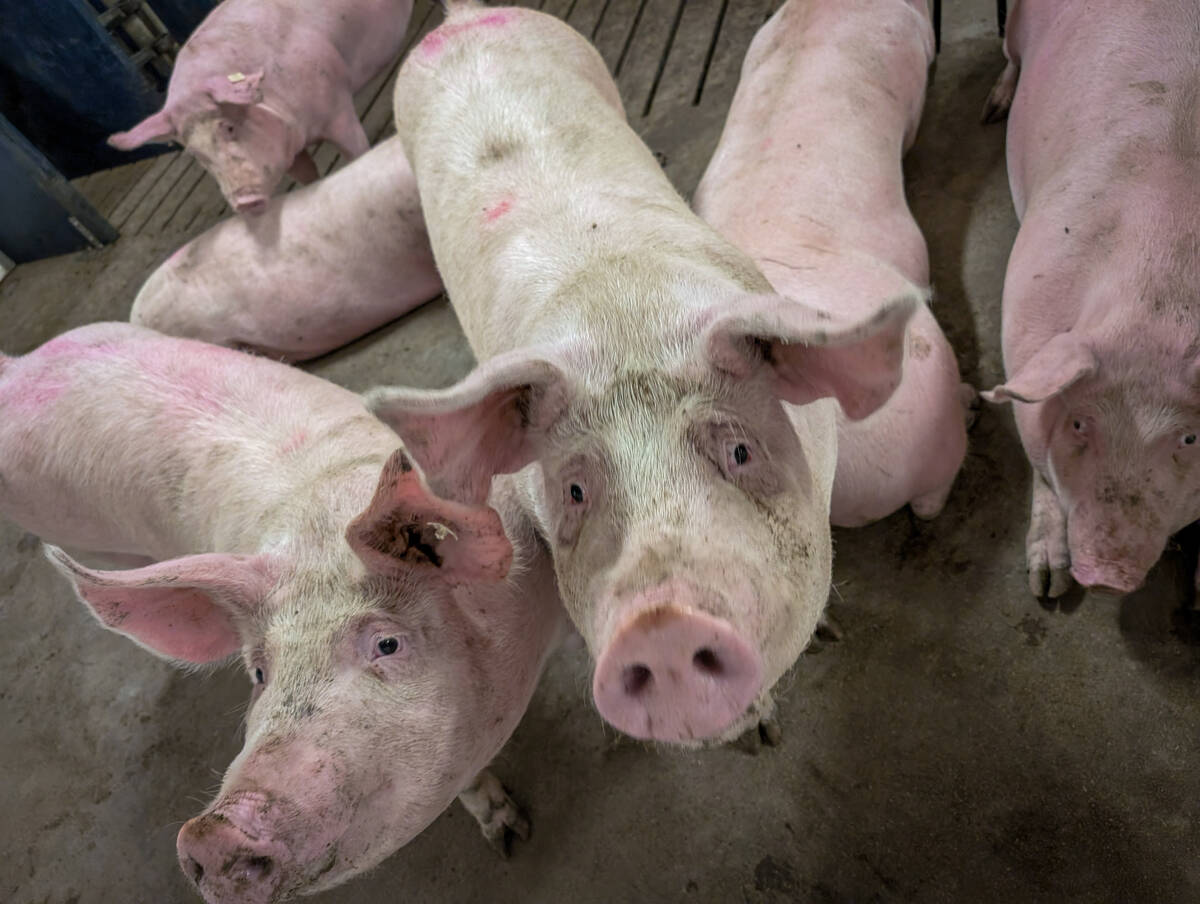
No way to segregate gene edited pigs Canadian Pork Council says as groups call for labeling
Canadian Pork Council says it supports bids to get public acceptance for pigs gene edited for resistance to PRRS as some consumer and agriculture groups call for mandatory labelling.
ILT, the centre said, is caused by a respiratory virus and appears mainly in laying hens and chickens.
Signs of ILT include increased mortality, noisy breathing, head shaking, birds going off feed or producing fewer eggs, inactivity, ruffled feathers and conjunctivitis.
The Canadian Food Inspection Agency classifies ILT as an “immediately notifiable” disease, which puts it in a list of “diseases exotic to Canada for which there are no control or eradication programs,” plus “some rare indigenous diseases.”
All that said, the FBCC last week advised producers in the region to maintain “enhanced levels” of biosecurity due to ongoing quarantines for avian influenza in Oxford County.
Producers, the centre said, should restrict unnecessary traffic on their farms, limit their visits to other poultry operations, restrict birds’ contact with off-farm birds and avoid sharing equipment between farms.
Farmers in the region should also “continue to be very diligent in observing flocks, monitoring mortalities and tracking feed and water consumption,” the centre said.
Two turkey farms and a broiler farm in Oxford County were confirmed with highly pathogenic H5N2 avian flu in April.
All three infected farms were “depopulated” of birds by the end of April, but quarantines and avian flu control zones in the area remain in place.
The FBCC said in mid-June it had been advised by CFIA officials that the “original projected timelines are no longer accurate” for the H5N2-related quarantines to end. –– AGCanada.com Network