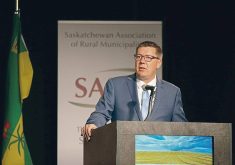

REGINA — Saskatchewan rural municipalities say the Canada-China tariff progress is an important step toward restoring predictable market access.
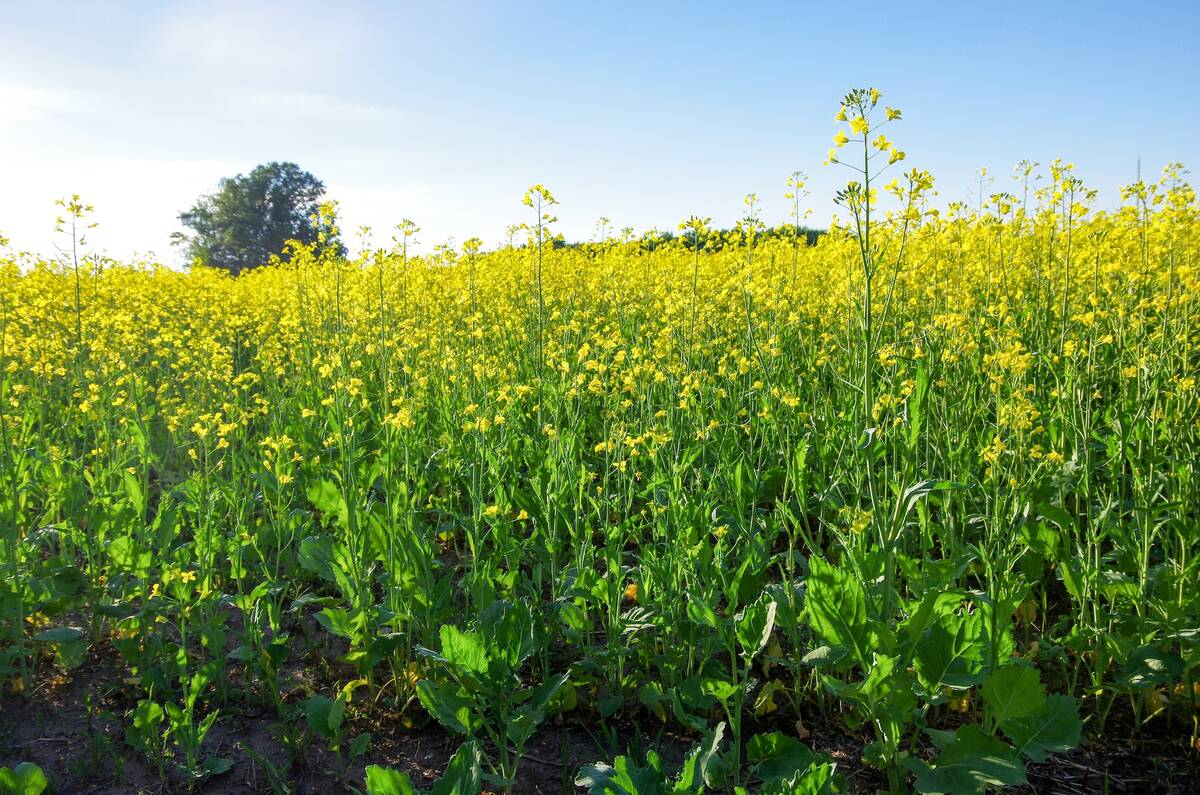
In a news release, the Saskatchewan Association of Rural Municipalities (SARM) said canola is a cornerstone crop for most RMs. The association had consistently raised concern that prolonged market disruption threatened the viability of farms, the health of rural communities and local tax bases.
The organization said the proposed tariff reductions could improve access, but timelines, enforcement and detailed terms are still unclear for farmers making 2026 marketing decision.
“Until there is clear evidence that tariffs are being fully and consistently applied as promised, SARM believes farmers will remain exposed to sudden policy shifts and price volatility,” it said.
SARM said the disruption has caused financial stress, on-farm storage pressure and uncertainty across rural Saskatchewan. Any delay, reversal or partial implementation of the agreement could undermine farmer confidence, it said.
The organization said it would continue to monitor implementation and press decision-makers to prioritize the stability and resilience of the province’s canola sector and RMs.