
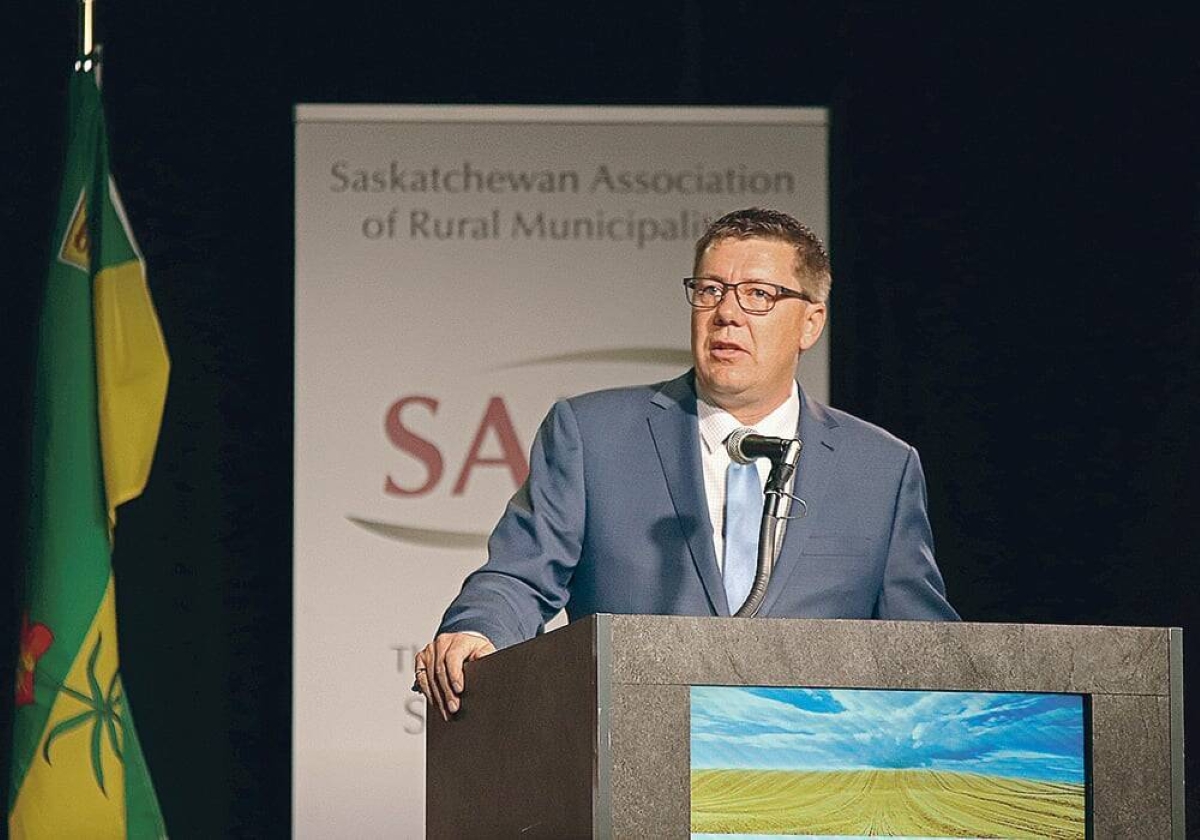
Glacier FarmMedia — Saskatchewan premier Scott Moe said a trade mission to India will focus on agriculture, potash and uranium as the province seeks trade opportunities and solid trading relationships in that market.
The Saskatchewan trip from Feb. 28 to March 6 has been planned for nearly a year to coincide with the annual Raisina Dialogue, a conference on geopolitics and geoeconomics where Moe will speak.
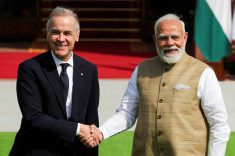
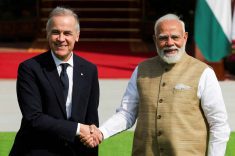
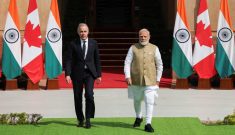
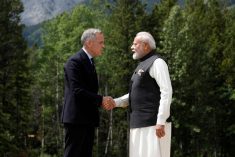
Prime Minister Mark Carney is also traveling to India next week for a couple of days to meet with prime minister Narendra Modi on free trade talks and drum up investment partnerships. Moe and New Brunswick premier Susan Holt will join him for meetings before Carney moves on to Australia and Japan.
Read Also
Pulse Weekly: SaskPulse optimistic despite input, crop price concerns
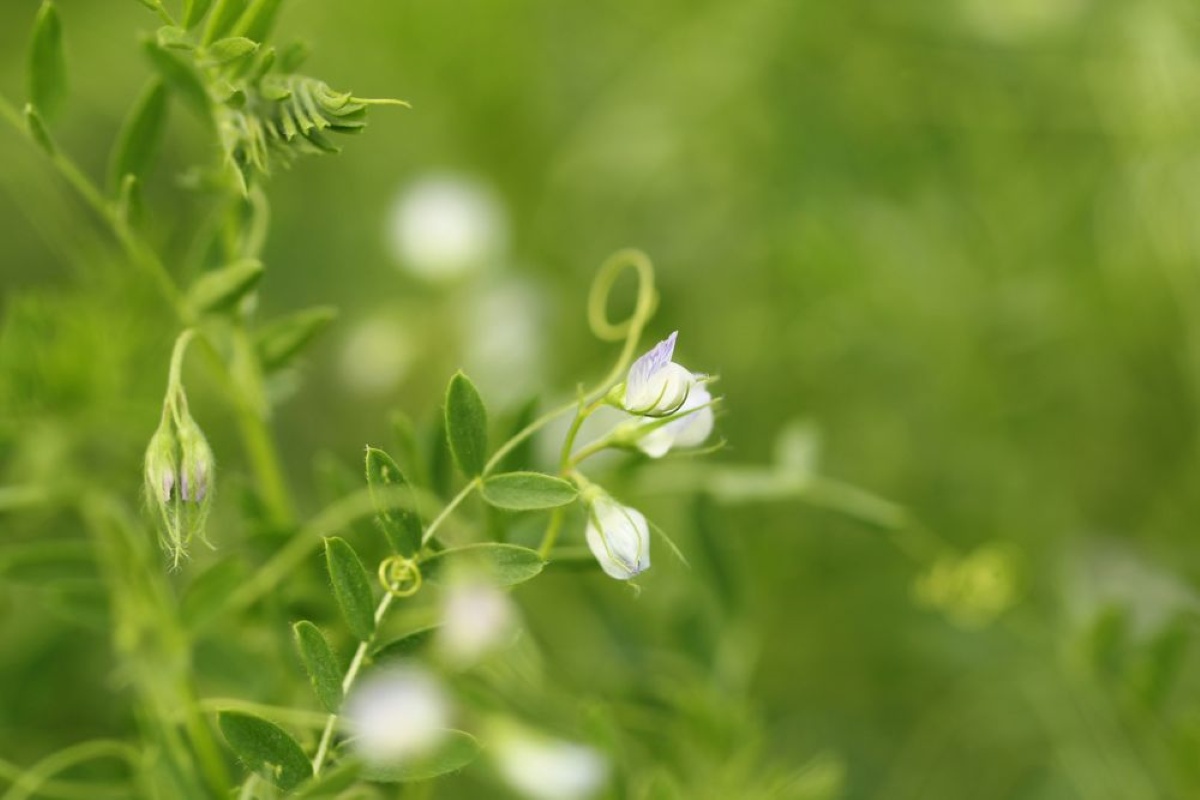
SaskPulse executive director Carl Potts is optimistic ahead of the planting season despite lower crop prices and the war in Iran.
WHY IT MATTERS: The Canadian and provincial governments continue to look to expand trade opportunities amid ongoing tariff threats from U.S. president Donald Trump. Canadian pulse growers currently face 30 per cent import duties on yellow peas into India, as well as 10 per cent tariffs on lentils as India protects its own farmers.
Moe told reporters Feb. 25 he hoped to address the agricultural tariffs, particularly because India could raise the lentil tariff to 30 per cent as of April 1.
“The hope today is to not have them increased,” he said.
“We’ll be engaging on that topic.”
However, he isn’t necessarily expecting movement as a result of this trip. He said that will take more negotiation and missions similar to what happened in China with regard to canola tariffs.
Moe said he hopes Carney and Modi will agree to reinvigorate discussion around the Canada-India Comprehensive Economic Partnership Agreement, which stalled several years ago.
That would be a positive step for Saskatchewan, which has exported $18 billion worth of products to India since 2007. In 2025, those exports totalled $1.4 billion.
Asked why Carney would again ask him to join a trade mission, as he did in China, Moe said it’s likely because Saskatchewan has been doing positive work in the market, as evidenced by the trade statistics.
The province is one of the most trade-diversified, selling into 160 countries, and Moe said that’s due to hard work and building relationships.
“I think there’s a recognition by the prime minister that we can be helpful in this space,” the premier said.
“We’re happy to see that we have a prime minister that is willing to look at the economic agreements that we have with these countries, and I think we have a role to play in supporting, advancing, those opportunities. We’ve been waiting some time to have somebody in the room that’s willing to sign a trade agreement with countries like India.”
Saskatchewan provincial budget
Meanwhile, Moe signaled this week that the provincial budget to be delivered next month will have a deficit but no tax increases. He said other provinces have also tabled deficit budgets, and he urged people to compare the deficit per capita once Saskatchewan has introduced its fiscal plan.
“There are revenue challenges due to the trade uncertainty, market uncertainty around the world,” he said.
“We experienced pretty significant agricultural tariffs in our second largest market being China, and that starts to show up, definitely on the revenue line, at the farmgate and at the provincial government level.”
However, he said the Saskatchewan economy is resilient, at least in part because it is so diversified and not dependent on a single commodity or a single market.
The opposition NDP said it didn’t trust the government to provide the province’s full financial picture.