
Commodity News Service Canada — Last year marked one of the coldest winters in recent history, as the polar vortex affected many parts of Western Canada. But this winter will be closer to normal, Scott Yuknis, owner and founder of Climate Impact Company said during a presentation at the Cereals of North America conference in Winnipeg.
He forecasted that temperatures in Western Canada this winter will be near average, to slightly above average, with precipitation in the winter also expected to be close to normal.
But, it is possible that the month of February will be colder if the developing El Nino weather pattern remains weak. If the El Nino becomes stronger, then the colder February will be “erased,” Yuknis added.
Read Also
Canadian trade tribunal to examine imports of frozen, canned vegetables
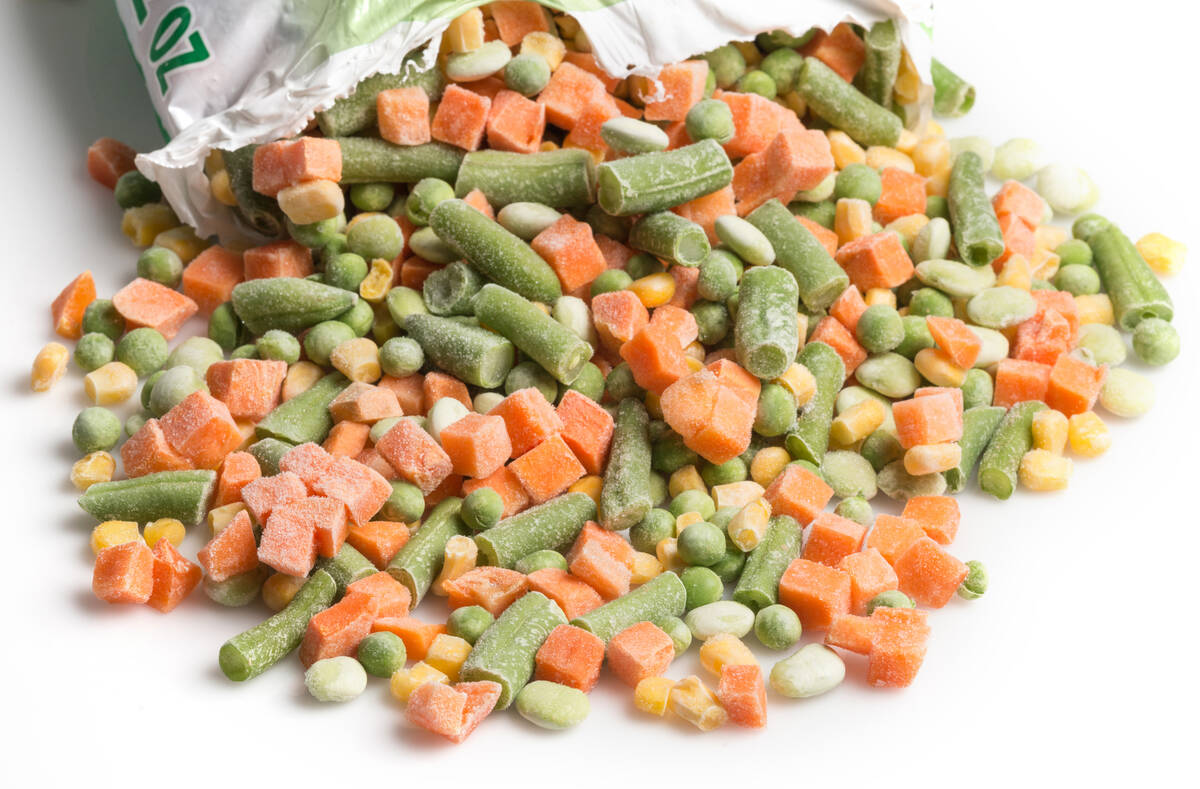
Canadian officials will look into whether global imports of frozen and canned vegetables are threatening Canadian growers and processors.
In the early part of spring, including March, April and May 2015, conditions are expected to be wetter than normal in the southern parts of Manitoba, Alberta and Saskatchewan.
For the planting season, in April, May and June, conditions will be warm for most of Western Canada, he noted.
But, the summer of 2015 may be unusually cool in Saskatchewan, Manitoba and Ontario, according to Yuknis.
Looking further ahead, it is possible that a drought pattern develops in the United States and works its way up to Canada within the next two to three years, Yuknis said. However he said he’s not sure exactly where the drought is going to happen.
Yuknis based the forecast on of his analysis of the climate change effects related to currently having an active “global oceanic thermohaline conveyor belt,” which he said is one of the main things causing global warming.
If it does develop, the drought pattern would likely last for three or four years, which could be problematic for agriculture, he added.