
Americans will have plenty of beef for the freezer, with enough left over to export in 2011, but supply will shrink in 2012 because the cattle herd is getting smaller, according to U.S. government reports released July 22.
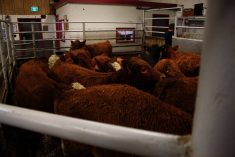
A USDA feedlot cattle report showed 10.45 million cattle were being fattened for slaughter on July 1, a four-year high for that date and up 3.8 per cent from a year ago.
“The bigger supply now means a smaller supply later. It means fewer cattle in 2012,” Don Roose, analyst with U.S. Commodities Inc said after viewing Friday’s reports.
Read Also
Klassen: Feeder cattle market continues consolidation
For the week ending March 28, Western Canadian feeder cattle market once again traded $10/cwt higher to $10/cwt lower compared…
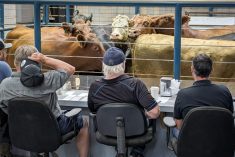
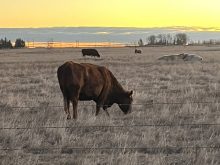
Feedlots are filled with cattle because a drought in the southwest has killed pasture, leaving ranchers few options other than to fatten the animals for slaughter.
USDA reported 1.695 million head cattle were placed in feedlots in June — up 4.2 per cent from a year ago and the largest June placements since 2006.
More cattle in feedlots means fewer to be put in breeding herds. As a result the cattle herd will keep shrinking, resulting in fewer cattle and less beef next year and in years to come.
In a separate report, USDA confirmed that trend. It said the U.S. cattle inventory, which includes all cattle inside and outside of feedlots plus calves and dairy cattle, was 100 million head, down 1 per cent from 2010 and the smallest July 1 herd since mid-year records began in 1973.
For traders of cattle futures, the inventory numbers were bearish in the short term, but still showed the herd was shrinking.
“We will see a sharp decline in beef supplies for the next three years,” said Rich Nelson, analyst at Allendale Inc.
Frequent droughts in the southwest, high feed costs, a decrease in domestic beef consumption, and cultivation of pasture land for crops have all contributed to this decline.
The smaller herd is at a time when global demand for U.S. beef is strong. Japan, Russia, South Korea and a number of other countries are buying U.S. beef because of better economies and smaller supplies among rival beef producers, analysts said.
U.S. beef export sales are up 35 per cent year-to-date at near 532,000 tonnes.