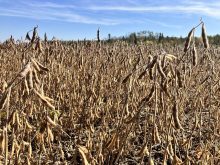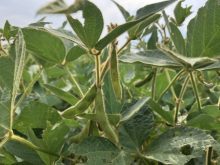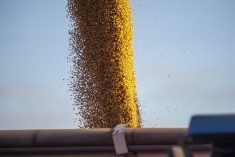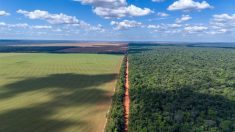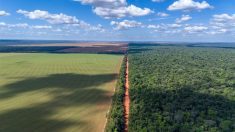


Sao Paulo | Reuters—Rains are disrupting the start of Brazil’s 2024/25 soybean harvest in Mato Grosso, agribusiness consultancy AgRural said on Monday, adding that the pace of work in the country’s biggest farm state is the slowest in seven years.
Farmers across Brazil have reaped 0.3 per cent of the soy area, down from 2.3 per cent a year ago, according to AgRural data. Mato Grosso’s own harvest, however, is at the slowest pace for this time since the 2017/2018 season, AgRural’s analyst Adriano Gomes said in an interview.
Read Also
Shares slump, bonds skid as oil surge threatens inflation shock
Wall Street opened lower Monday as the inflationary jolt from surging oil prices threatened to raise living costs and interest rates around the globe, while investors desperate for liquidity fled to the U.S. dollar.
“Although Mato Grosso’s harvest has great potential and there are still no complaints about quality losses, the humidity makes it difficult for machines to enter the field,” AgRural said in a statement.
Brazil’s soy harvest began in three central-western states, Parana state and in irrigated areas of the states of Bahia and Minas Gerais, according to AgRural.
Mato Grosso accounts for more than a quarter of the Brazilian soy harvest, and delays in the work could affect the ideal planting window for second corn, which is sowed after soy is reaped on the same fields.
“Frequent rains not only hinder the loss of moisture in areas that are already ready (for harvesting), but also raise concerns about the extension of the cycle,” said Gomes, who added that delays in second corn planting increase climate and logistical risks.
The percentage of second crop already planted in Mato Grosso is negligible, with farmers preferring to plant cotton in the first areas freed from soy, Gomes said.
In other areas, such as southern Brazil and the south of Mato Grosso do Sul, the problem for soybeans is the lack of regular rain and the heat.
“It needs to rain urgently in these regions,” Gomes said. “Some soybean areas that were most affected by the drought are already experiencing losses in yield potential.”