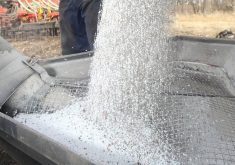

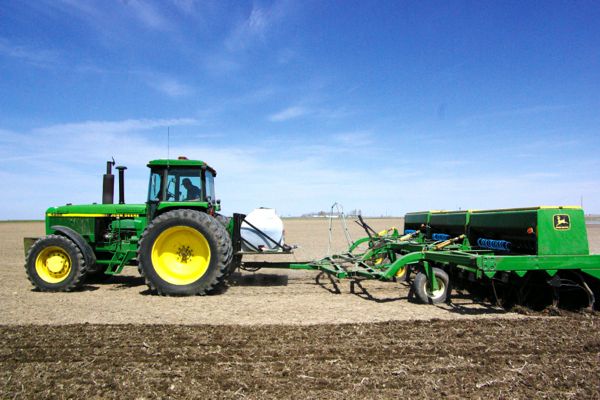
Fertilizer producer Nutrien said on Thursday U.S. President Donald Trump’s proposed tariffs on Canadian imports will increase costs for American farmers.
Trump plans to place a 25 per cent tariff on Canadian imports, which will take effect in March after granting a 30-day extension.
“Frankly, costs of this (tariff) will be borne by the U.S. farmers…the U.S. farmers will likely feel the impact after the spring planting season,” CEO Ken Seitz said during a post-earnings conference call.
Read Also
Canadian trade tribunal to examine imports of frozen, canned vegetables
Canadian officials will look into whether global imports of frozen and canned vegetables are threatening Canadian growers and processors.
Nutrien has assembled a team from various departments to manage tariff-related operations, including duty collection.
Seitz said U.S. farmers will be able to get fertilizer for the upcoming spring planting season. Weather problems in late 2024 prevented some fertilizer applications U.S. farmers planned to do, officials said, leaving more needed in 2025. U.S. farmers are expected to plant more than 90 million acres of fertilizer-hungry corn this spring, leaving the company optimistic about its 2025 U.S. demand outlook.
The potential end of the war between Russia and Ukraine isn’t seen as a threat to 2025 Nutrien sales, Seitz said, since Russian potash has already been reaching the market and Belarusian supplies, presently under sanction by the European Union and others, will have trouble reaching markets through Europe.
Belarus has been cut off from Lithuania’s main port. It will have trouble getting access regardless of sanctions, and will probably have to move through Russia to reach world markets. Belarusian idle production won’t come back fast.
“We think that happens slowly over time,” said Seitz.