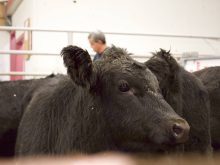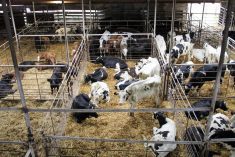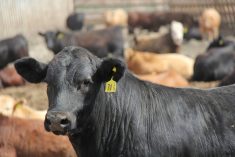


Western Canadian feeder cattle prices were relatively unchanged from week-ago levels as extremely cold temperatures hinder market activity. Most auction barns reported small groups of various quality cattle on offer, which made the market hard to define.
In the major markets of Alberta such as Lethbridge, there were very few yearlings available. This forced major feedlots to shop in Saskatchewan and Manitoba. Larger-frame, less fleshy cattle were very well bid although all orders appeared to have limits. We’re only a month away from seeing larger volumes of backgrounded calves, so there was no reason to be overly aggressive. Although margins are quite favourable, the deferred live cattle futures paint a different story. There’s a bunch of high-priced calves bought in November and December that will not turn out well and risk control has become the flavour of the day.
Read Also

Feed Grain Weekly: Seasonal gains expected this spring
Feed grain prices have not yet been affected by rising fuel costs, but will continue to rise nonetheless, said a Lethbridge-based trader.
In east-central Saskatchewan, medium- to larger-frame black steers with medium flesh levels, averaging just over 850 lbs., sold for $180; heifers of similar quality and weight traded from $166 to $168. In southern Alberta, larger-frame Charolais mixed steers were quoted at $203.
Calves and grassers were well bid with juicy market reports surfacing throughout the week. In central Alberta, Simmental mixed steers averaging 515 lbs. traded for $247 while a small group of red 470-lb. steers touched $255. In southeastern Saskatchewan, buckskin heifers weighing just under 570 lbs. sold for $207. Drought-like conditions in the U.S. southern Plains have caused a large volume of feeders to be placed sooner than normal. U.S. yearling supplies in late summer are expected to down from year-ago levels. These grass cattle sold as yearlings next August will be quite precious.
— Jerry Klassen manages the Canadian office of Swiss-based grain trader GAP SA Grains and Produits Ltd. and is president and founder of Resilient Capital, specializing in proprietary commodity futures trading and market analysis. Jerry consults with feedlots on risk management and writes a weekly cattle market commentary. He can be reached at 204-504-8339.