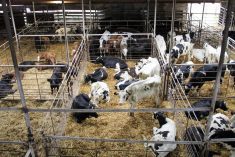


Western Canadian feeder cattle markets were rather subdued this past week; average prices were unchanged from seven days earlier. However, the bloom has come off the rose as the extreme highs from earlier in May have evaporated.
Late in the week, shorter-keep cattle appeared to trade $3-$5 higher, especially on higher-quality larger groups. Major feedlot operators allowed no slippage despite the fed market dropping for the second week in a row. Alberta packers were buying fed cattle in the range of $174-$176, which is still $40 above breakeven pen closeout values. In southern and central Alberta medium- to larger-frame steers with medium flesh levels weighing 900-925 lbs. were readily trading from $190 to as high as $196. In Saskatchewan and Manitoba, similar-weight quality cattle were quoted from $187 to $190. Alberta feedlots led the charge on local cattle but tempered buying interest from other regions of Western Canada in the heavier weight categories.
Read Also

Speculators add to bullish bets in canola
The speculative net long position in canola continues to grow, hitting its largest level in eight months according to the latest Commitments of Traders report from the United States Commodity Futures Trading Commission (CFTC) released Friday, March 20.
Feeder cattle from 700 to 800 lbs. were quite variable due to the inability of feedlots to lock in a margin in the deferred positions. A load of mixed steers with medium flesh levels in central Alberta averaging 725 lbs. were quoted at $225 while 700-lb. mixed heifers were trading from $200 to $205 in the same region.
Calves were extremely precious across the Prairies with yearly high prices recorded at most auctions. In east-central Saskatchewan, mixed steers weighing just over 600 lbs. reached up to $258 while 500- to 525-lb. steers were quoted from $260 to as high as $274. Volumes of lighter-weight cattle appear to be drying up which supported the market. Pasture conditions are quite favourable but the farmer/cattle producer had no chance, with feedlot interest showing who’s in charge. Western Canadian yearling supplies have been quite low in August over the past years and feedlots were aggressively buying these calves to secure quality yearling supplies in late summer.
Feed barley is firmer, with Lethbridge prices quoted from $180 to $185 per tonne delivered, but this had little effect on the feeder market.
— Jerry Klassen manages the Canadian office of Swiss-based grain trader GAP SA Grains and Produits Ltd. and is president and founder of Resilient Capital, specializing in proprietary commodity futures trading and market analysis. Jerry consults with feedlots on risk management and writes a weekly cattle market commentary. He can be reached at 204-504-8339.