

Winnipeg | Reuters — North America’s hog farmers face prolonged pain beyond the COVID-19 pandemic that has interrupted packing plants , as a pig glut in the U.S. holds prices low and pressures producers to downsize.
Many North American hogs had nowhere to go in spring as slaughter plants suspended production due to workers becoming infected with the novel coronavirus. While outbreaks among plant workers subsequently abated, infections recently flared in Maple Leaf Foods’ Brandon, Man. plant.
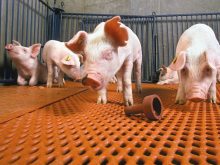
Canadian farmers who produce piglets — also known as isoweans or weanlings — face some of the greatest pressure to downsize. Many sell to U.S. farms who then fatten piglets to slaughter weight levels, but prices have fallen well below costs.
Read Also
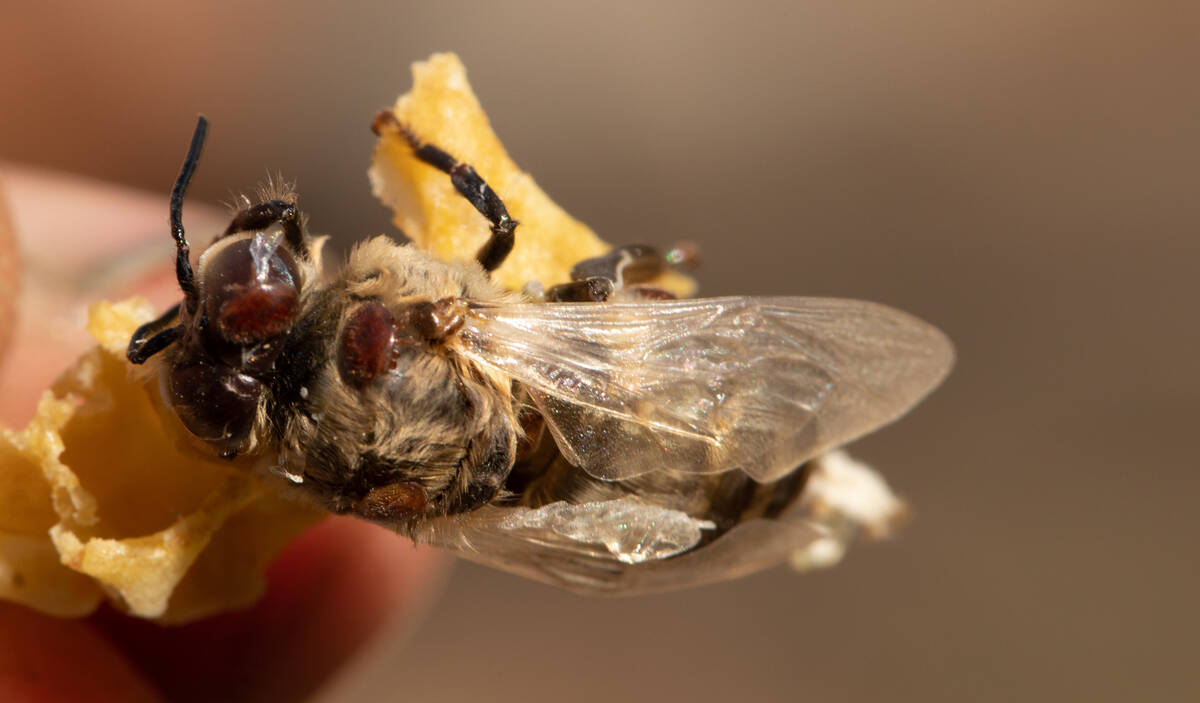
Southern California honeybees show resistance to varroa mites
Regionally-adapted honeybees in southern California show natural resistance to varroa mites, according to new research from University of California Riverside.
In July, Manitoba farmer Rick Bergmann sold 500 piglets to a U.S. buyer for $2.50 per head, recouping only the transportation cost.
“There are producers asking, ‘Do we want to stay in business?’ These are dark days,” Bergmann, chair of the Canadian Pork Council, said.
The council asked the Canadian government for aid this month, citing massive losses for western Canadian farmers and piglet producers especially.
U.S. buyers paid between $2.50 and $20 per Canadian isowean for the week ended Aug. 22, according to the U.S. Department of Agriculture, far below the roughly $40 cost to raise one.
“The weanling sector is the most volatile,” said livestock and meat analyst Kevin Grier. “When things are good, they have the wildest high prices and returns, and when things are bad, it’s just the opposite.”
There is little optimism that bottom lines will improve.
Western Canada’s hog prices are based on U.S. prices, which remain depressed, although they partly recovered this week.
U.S. farmers expanded too aggressively as new plants opened in recent years, resulting in more pigs being born than the industry could absorb, said Christine McCracken, animal protein analyst at Rabobank.
“Even before COVID, we had too many hogs,” she said.
The Canadian Pork Council’s most recent call for aid proposes a new tweak to the federal/provincial AgriStability income stabilization program.
AgriStability currently pays 70 per cent of the difference between a producer’s production margin in a given year and his or her reference margin, triggered when the former drops below 70 per cent of the latter.
While the council and other farm groups have previously called for the trigger to be restored to 85 per cent, but Bergmann, in an Aug. 12 letter to Canada’s federal and provincial agriculture ministers, said the cost of that proposal now appears to be a “barrier to movement” on program changes.
Rather, the council proposes to leave the trigger at 70 per cent but increase the program’s compensation rate to 85 per cent.
“It will increase payments by 20 per cent, but ensure those payments are only received by those facing substantial loss,” Bergmann wrote.
— Rod Nickel is a Reuters correspondent covering the ag and mining sectors from Winnipeg. Includes files from Glacier FarmMedia Network staff.