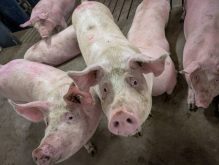


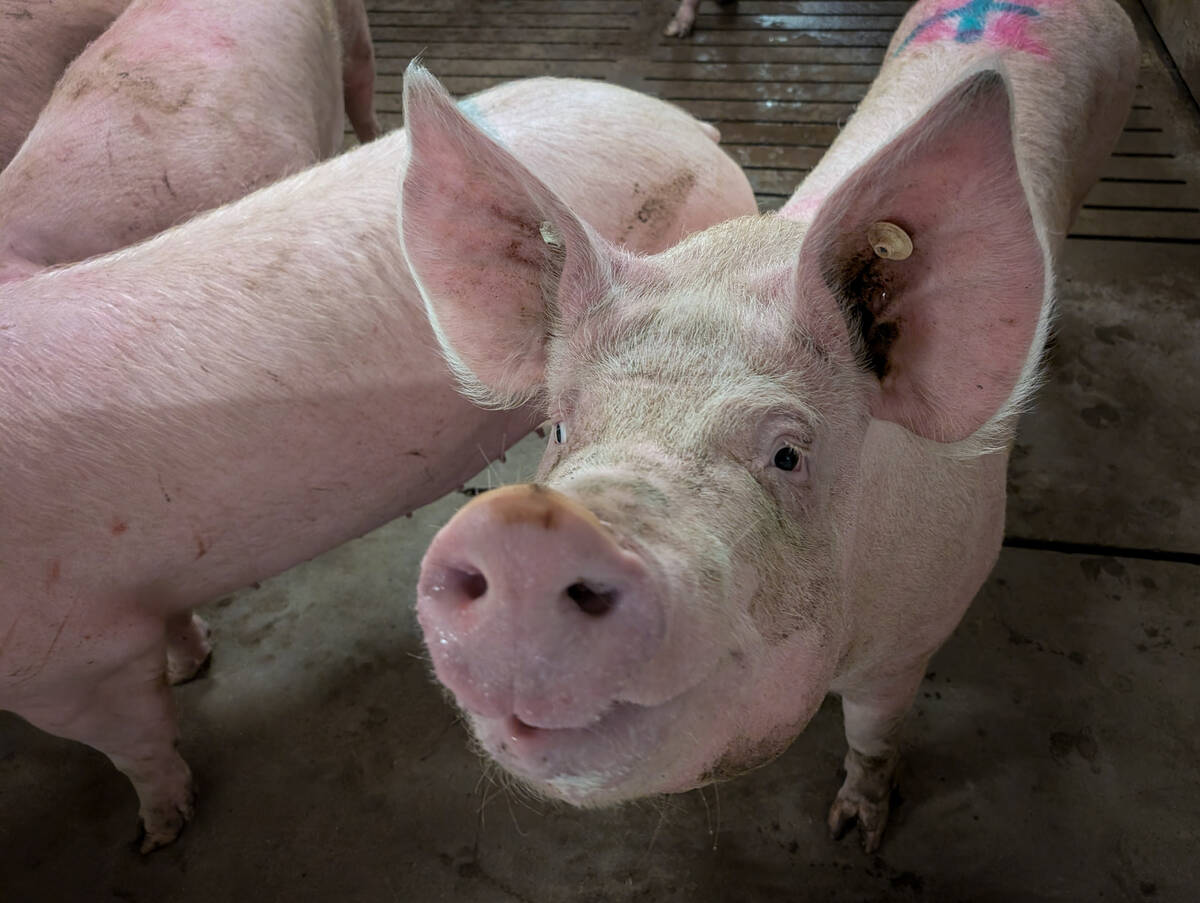
Canada has given its stamp of approval to pigs gene edited to resist porcine reproductive and respiratory syndrome (PRRS).
Health Canada and the Canadian Food Inspection Agency (CFIA) has deemed these pigs, developed by U.K.-based Genus PLC and PIC (Pig Improvement Company), safe for use in food and feed.
Environment and Climate Change Canada and Health Canada also ruled that environmental and human health risks were no different than with pigs currently available. The CFIA and Health Canada also found no difference in nutritional value, according to a Jan. 23 news release.
Read Also

Bayer takes its multi-front battle on pesticide liability to Kansas
Kansas lawmakers were set to take up a bill on Tuesday backed by Bayer that would prevent people from suing pesticide manufacturers for not warning them that their products could cause cancer or other illnesses.
Matt Culbertson, PIC’s Chief Operating Officer, called it a milestone.
“We have spent years conducting extensive research, validating our findings and working with the Canadian government to gain approval,” he said in a Jan. 23 news release.
The Canadian pork sector attributes $130 million in annual losses to PRRS, which can cause fever, breathing problems, stillborn piglets and death.
No special label required
Genus PLC doesn’t intend to sell the PRRS resistant pigs until further regulatory authorization in other key markets, the federal government said.
“We are committed to the responsible and intentional introduction of the PRRS-resistant pig around the globe. Gaining approval in Canada is an important step in this process, and we are working with additional countries to gain regulatory approval and protect global trade prior to initiating sales and delivery,” said Culbertson.
The pigs have been permitted for food use in the U.S., Brazil, Colombia, and the Dominican Republic.
The gene edited pigs won’t require special labelling because Health Canada found no health and safety concerns.
“There is a transparency crisis in our food system,” said CBAN co-ordinator Lucy Sharratt. “If the government is going to allow companies to produce genetically engineered animals and plants, these foods have to be labelled for consumers.”
Organic groups and companies have also raised concerns over the lack of mandatory labelling for foods from gene-edited plants and animals.
Health Canada has been working with the Canadian General Standards Board since November on a public review of the National Standard for Labelling and Advertising of Foods.
According to a 2025 study from PIC, consumers will accept gene edited meat so long as they are educated on the reasoning and how it works.