


Shanghai/Beijing | Reuters — China’s ministry of agriculture and rural affairs said Saturday that the so-called “G4” strain of swine flu virus is not new and does not infect or sicken humans and animals easily, rebuffing a study published last week.
That study, by a team of Chinese scientists and published by the U.S. journal Proceedings of the National Academy of Sciences (PNAS), warned that a new swine flu virus, named G4, has become more infectious to humans and could become a potential “pandemic virus.”
Read Also
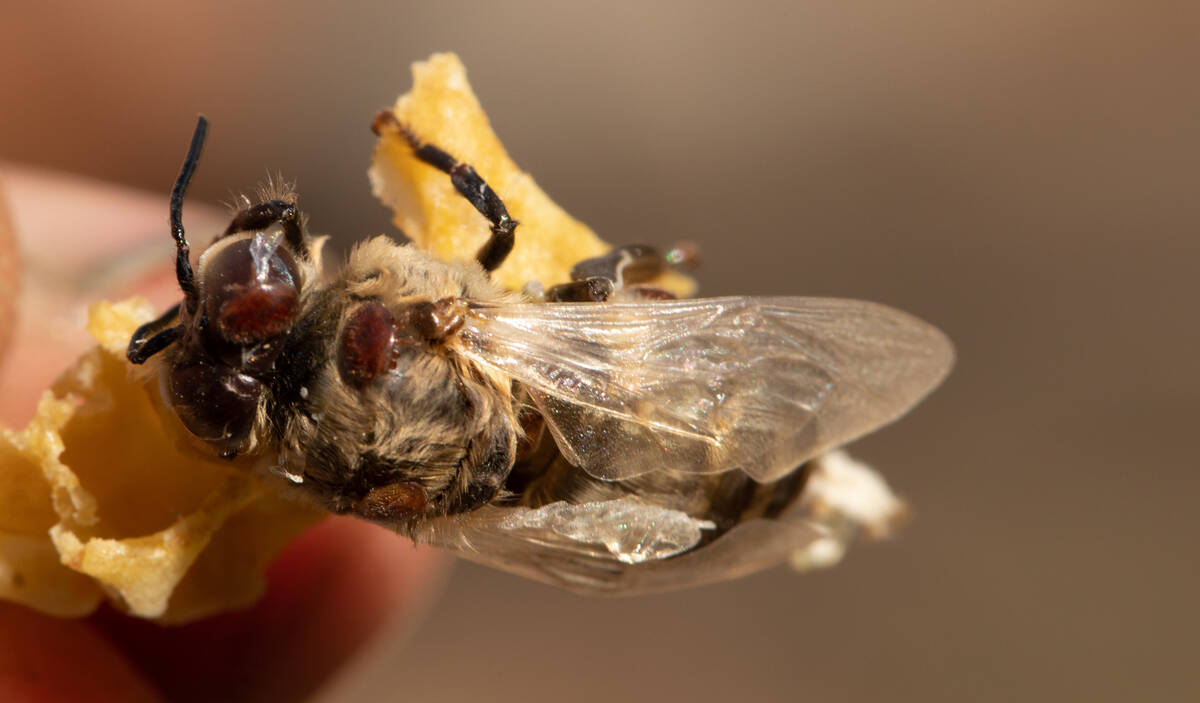
Southern California honeybees show resistance to varroa mites
Regionally-adapted honeybees in southern California show natural resistance to varroa mites, according to new research from University of California Riverside.
However, China’s agriculture ministry said in a statement that the study has been interpreted by the media “in an exaggerated and nonfactual way.”
An analysis by the ministry concluded that sampling of the published study is too small to be representative, while the article lacks adequate evidence to show the G4 virus has become the dominant strain among pigs.
The ministry said it drew its conclusions after holding a seminar on the G4 virus’s impact on the hog industry and public health. Participants included Chinese veterinarians and anti-virus experts, as well as the leading authors of the PNAS study.
The participants concurred that the G4 virus is not new, the statement said. Furthermore, such a strain has been monitored continuously by the World Health Organization (WHO) and related agencies in China since 2011, the statement said, citing a senior WHO official.
In addition, the authors of the published study agreed that the G4 virus does not effectively replicate in the human body and cause disease, according to the statement.
The ministry’s statement was authored by Yang Hanchun, a swine viral disease scientist at China Agricultural University who also serves the role of expert on a ministry anti-epidemic committee.
— Reporting for Reuters by Samuel Shen, Hallie Gu and Ryan Woo.