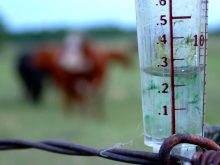


Chicago | Reuters — Heavy weekend storms caused flooding in parts of the southern U.S. Midwest, threatening the region’s soft red winter wheat, crop experts said on Monday.
A swath of eastern Texas, Arkansas, Missouri and southern Illinois received 7.5 to 18 cm of rain with localized totals of up to 25 cm, MDA Weather Services said in a note to clients.
“With more rain expected in these areas today, flooding is likely and disease risks for the wheat crop will increase,” MDA said. However, the note added, much drier weather was forecast through the next 10 days.
Read Also
China urges hog producers to manage output, vows timely reserve adjustments
China’s state planner on Friday said authorities will make timely adjustments to hog reserves and continue to strengthen the management of hog production capacity.
Flood warnings were in effect on Monday in eastern Missouri and southern Illinois, the National Weather Service said. Thirteen people died in flash floods in those two states over the weekend.
Farmers in Illinois, Missouri and Arkansas grow soft red winter wheat, which is milled into flour for cookies and snack foods. The crop, representing about a quarter of total U.S. wheat production, is planted in autumn and harvested in June and July.
“It’s a little too soon to tell what the overall effect will be, but where water stands for a week or more this time of year, the crop often dies,” said Emerson Nafziger, a University of Illinois agronomist.
“All told,” Nafziger said, “we need to prepare to see a lot of bare spots this spring on flat fields or low spots where the water isn’t able to get away.”
Farther west, storms brought ice and snow to parts of the southern Plains’ hard red winter wheat belt.
The snowfall should help insulate that crop from cold weather. Hard red winter wheat, used to make bread, is the largest U.S. wheat class.
— Julie Ingwersen is a Reuters correspondent covering grain markets from Chicago.