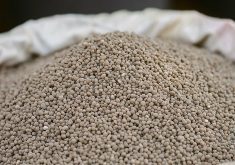

Singapore/Winnipeg | Reuters — The world’s farmers face soaring fertilizer and fuel prices as the war in the Middle East escalates, leaving some scrambling for supplies as the spring planting season approaches.
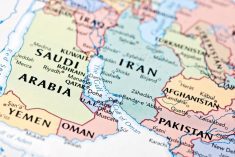
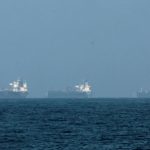
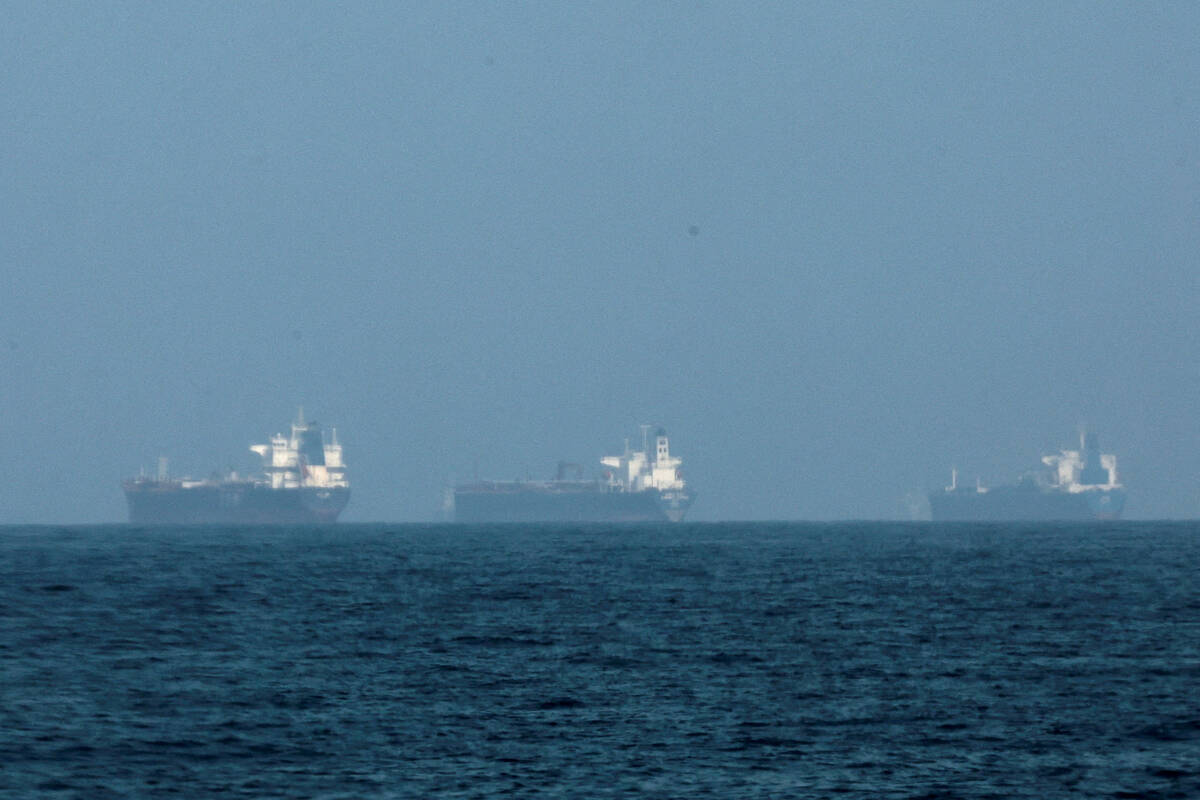
The war, which has closed the Strait of Hormuz, has shut down fertilizer plants in the region and severely disrupted shipping routes, potentially curbing supplies to key importers around the world just as farmers in the Northern Hemisphere prepare to plant seeds.
Read Also
OPINION: How the Iran war could create a ‘fertilizer shock’ – an often ignored global risk to food prices and farming
A sustained disruption of traffic through Hormuz would not simply constitute an energy crisis. It would also represent a fertilizer shock (where prices go up dramatically and supply goes down) – and, by extension, a direct risk to global food security.
“It’s a mess because it’s spring,” said Cedric Benoist, who farms wheat, barley and other crops south of Paris, referring to global fertilizer prices that have jumped by dozens of euros per metric ton. “This situation can’t continue.” Farmers from Srinagar in Kashmir to Saskatchewan in Canada rely on fertilizer and diesel shipped through the strait, the conduit for about one-third of global trade in fertilizer and 20 per cent of the world’s export fuels.
Because of a global grains glut, many farmers were already expecting to lose money on this year’s crop. Now the outlook is especially gloomy for farmers who still need to buy spring fertilizer, like Jeff Harrison of Quinte West in Ontario. “We’re in a real bad situation now,” Harrison said.
Prices in the United States, which imports much of its fertilizer needs despite a large domestic industry, rose at the war’s outbreak. Prices for fertilizer jumped from $516 (C$706) per metric ton on Friday to up to $683 (C$934) at the import hub of New Orleans on Thursday. Prices could jump higher if the Persian Gulf closure persists and shipments can’t make it in time for spring planting, analysts told Reuters.
“Literally, this could not happen at a worse time of the year,” said StoneX analyst Josh Linville.
World’s largest single-site urea plant shuts down
Seth Meyer, former U.S. Department of Agriculture chief economist and now at the Food and Agricultural Policy Institute, said farmers might alter crop choices and fertilizer applications due to the price spike.
Farmers need fertilizers for virtually all their crops if they want a good yield, but each crop and the soil they are grown in have different demands.
Farmers could cut back on corn, which requires high rates of nitrogen fertilizer, or else sharply reduce fertilizer application rates, Meyer said.
Shipments from the Middle East are likely to drop not only because transit through the Strait of Hormuz has all but stopped, but also due to cuts in production.
Qatar Energy has had to stop production at the world’s largest single-site urea plant, as it lost its source of natural gas feedstock after the company shut down gas output due to attacks on its LNG facilities.
At the same time, sulfur output has been cut in other parts of the Middle East.
“We have lost a significant chunk of the global supply because of this situation,” Linville of StoneX said.
India buys more than 40 per cent of its urea and phosphatic fertilizers from the Middle East. While imports could be hit, output within India has already been affected.
Three Indian plants have been forced to reduce urea output as LNG supplies from Qatar have dropped sharply, said a New Delhi-based senior industry official. As a result, supply is expected to be tight for urea and diammonium phosphate in the short term, the person said.
Fertilizer market tight before war
The global fertilizer market was already tight, with China restricting exports this year to ensure domestic availability, while producers in Europe have cut output due to the loss of cheap Russian gas supply, analysts said.
Urea prices had risen by around $80 (C$109) per ton from around $470 per ton quoted before the start of the Iran war, they said.
China is likely to expand fertilizer export controls because of the conflict, two agricultural analysts said, although the restrictions may not be formally announced and instead communicated to major producers and customs.
While China sources more than 50 per cent of its sulfur imports from the Middle East, Indonesia relies on the region for nearly 70 per cent of its supplies, traders said. Sulfur is a key ingredient for phosphate fertilizers like diammonium phosphate and monoammonium phosphate.
“It is really hard to find readily available spot cargoes now. There are no spot cargoes anywhere,” said one Chinese sulfur trader.
Australia is dependent on imports to meet most of its fertilizer needs, say industry analysts.
“Another nail in the coffin”
Agricultural economist Corne Louw of GrainSA, which represents South African farmers, told Reuters that fertilizer can make up as much as 50 per cent of their production costs.
“Any increases in the current situation where farmers are already struggling with record low grain prices will just be another nail in the coffin,” he said.
Markets might not yet have fully priced in the possibility of a long war, according to Morningstar analyst Seth Goldstein, who estimates that nitrogen prices could roughly double and phosphate prices rise 50 per cent from current levels.
“If the supply shock lasts more than a few weeks, I wouldn’t be surprised to see prices go back to the highs of 2022, when the Russia-Ukraine conflict began,” Goldstein said.
— Additional reporting by Lewis Jackson, Daphne Zhang and Amy Lv in Beijing, Trixie Yap in Singapore and Rajendra Jadhav in Mumbai, Tristan Veyet in Gdansk, Gus Trompiz in Paris, Wendell Roelf in Johannesburg and Nigel Hunt in London.