
Strasbourg | Reuters — EU lawmakers backed tighter controls on imports of agricultural products under a potential trade agreement with the South American trade bloc Mercosur, as Brussels tries to get sceptics on board to sign the EU’s largest-ever trade accord.
European Commission President Ursula von der Leyen had been expected to fly to Brazil at the end of this week to sign the accord, reached a year ago after a quarter-century of talks with the bloc of Argentina, Bolivia, Brazil, Paraguay and Uruguay.
But the dealcan be blocked by a big enough minority of EU members.France and Italy have sought to delay a vote, while Poland opposes the deal.
Read Also
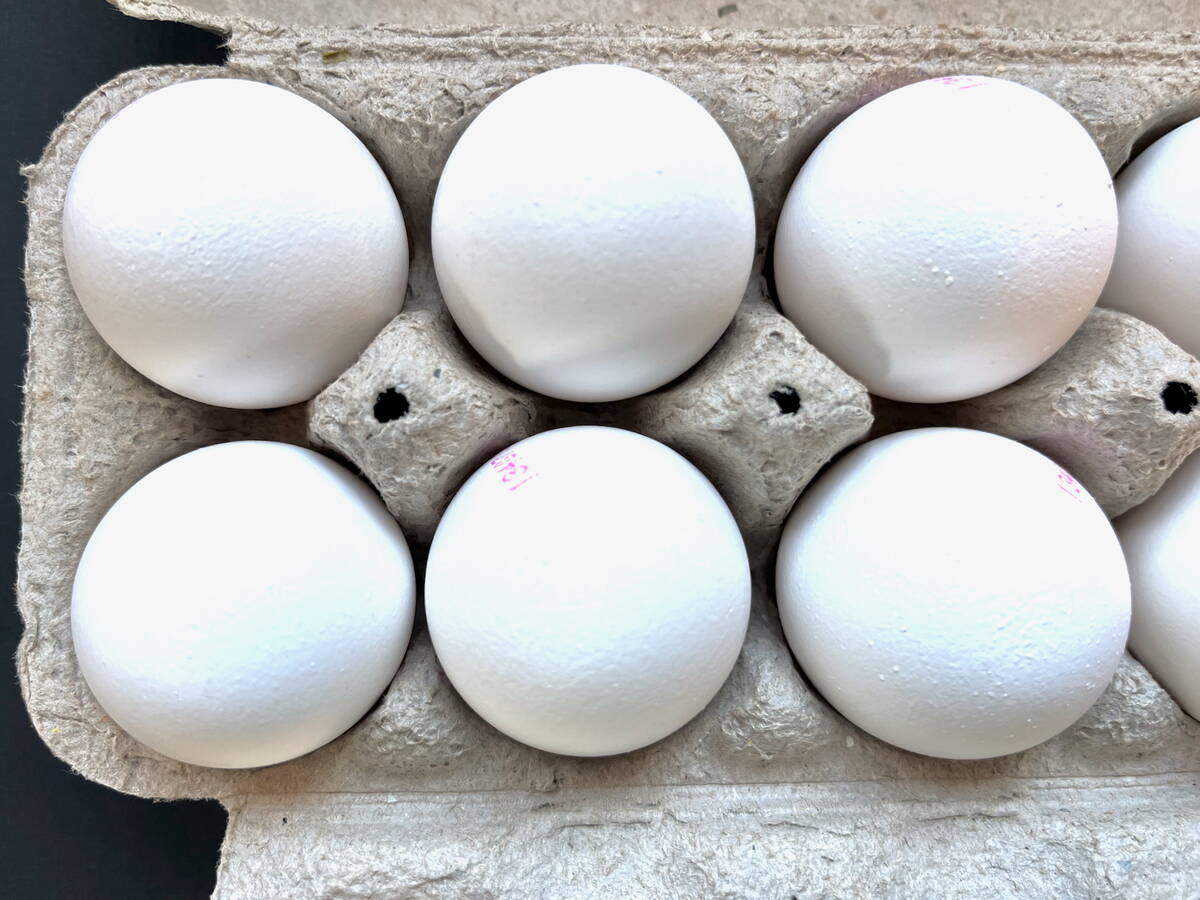
Egg Farmers of Canada sees more hens, greater egg demand in 2025
Canada added 2.92 million hens to its egg-laying flock in 2025, Egg Farmers of Canada said in its annual report released on March 18.
Italy in spotlight; Brazil warns ‘now or never’
Germany, Spain and Nordic countries say the agreement will help exports hit by U.S. tariffs and reduce dependence on China by providing access to minerals.
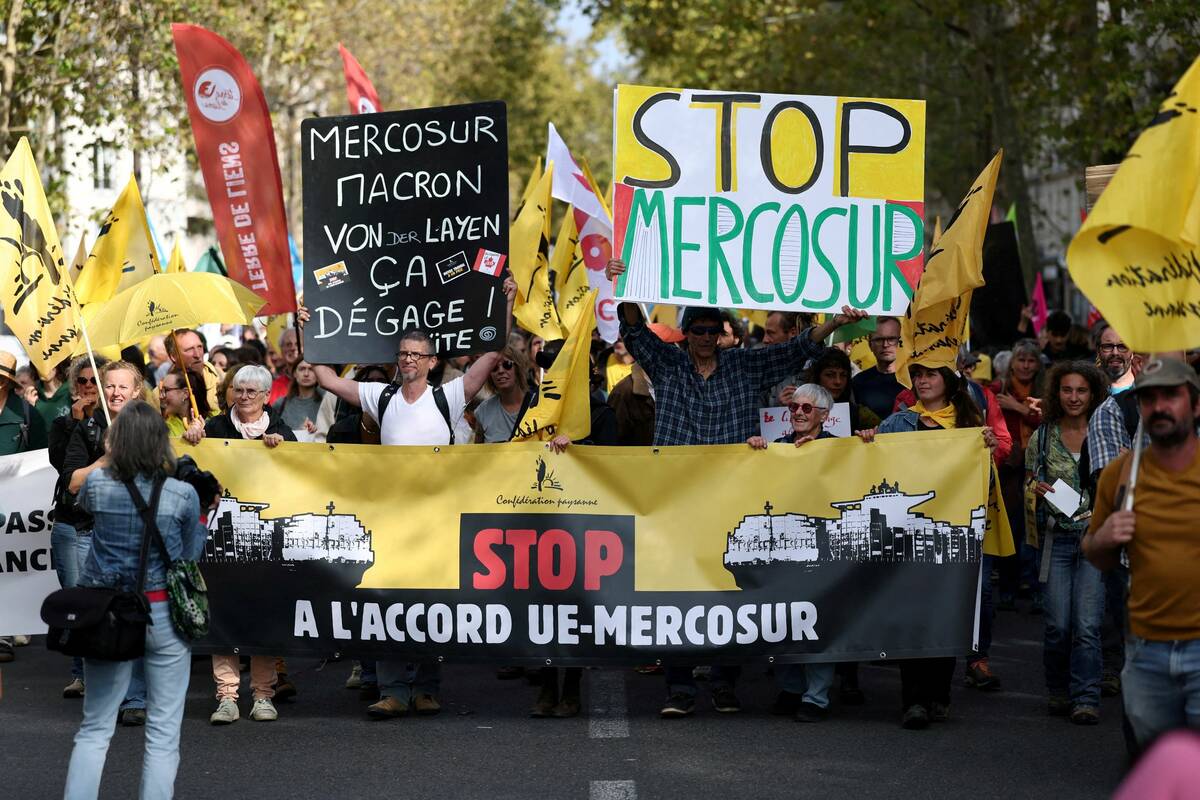
But opponents, who have dubbed it a “cars for cows” deal, say cheap commodities could flood the EU, including beef, to the detriment of European farmers.
Lobbying has focussed on Italy. Commission chief von der Leyen and German Chancellor Friedrich Merz met late on Monday with Italian Prime Minister Giorgia Meloni.
“If Italy is not on board, it’s over. I hope today we will see a little clearer,” the head of the European Parliament’s trade committee, Bernd Lange, told Reuters in an interview.
The Polish agriculture minister called on Italy and other nations to join a blocking minority.
Blocking the deal would require opposition of at least four EU nations making up at least 35 per cent of the population.
“We have the numbers, we have the arguments, and we are morally right. Don’t be afraid of blackmail from the automotive industry,” Minister Stefan Krajewski said in a statement.
Diplomats say it is likely that at least one other nation, such as Hungary, will dissent.
Latin American officials are growing impatient, with one Brazilian official warning it was “now or never”, as the bloc is pursuing deals with others such as Japan, India and Canada.
“If the window closes now, it won’t reopen so soon,” another Brazilian source, a diplomat, told Reuters on condition of anonymity.
“Mercosur also has other partners, other obligations,” he said.
EU Parliament tightens safeguards
France has sought to rally a blocking minority to force stronger protections for farmers.
In a concession to Paris in October, the European Commission added a mechanism tosuspend preferential access for some Mercosur farm products, such as beef, poultry and sugar, if imports rise too quickly or if prices fall too suddenly.
The European Parliament voted on Tuesday to make it easier to suspend access, by lowering the thresholds to trigger the mechanism
Parliament will now have to negotiate a compromise with EU governments which had already backed the higher thresholds.
Talks are expected to start as early as Wednesday.
Francesco Torselli, a European lawmaker from Meloni’s party said that although the safeguards were improving the treaty, they were still not sufficient to guarantee farmers could compete on a level playing field.
“We also struggle to understand the rush to approve a measure that has been stalled for years, even though we are convinced that a free trade agreement with the Mercosur region could represent a good opportunity for Europe,” he said.
— Additional reporting by Lisandra Paraguassu in Brasilia; Angelo Amante in Rome and Alan Charlish in Warsaw.