

U.S. forecasters say there is an 80 per cent chance of more stable ENSO-neutral weather conditions from April to June as La Niña transitions toward El Niño.
El Niño–Southern Oscillation (ENSO) neutral conditions emerged last month. The U.S. Climate Prediction Center said on Thursday that El Niño has a 61 per cent chance of developing between May and June 2026 and is expected to persist through at least the end of 2026.
“El Niño is likely because of increasing subsurface temperature anomalies and recent westerly wind anomalies over the western Pacific Ocean,” the CPC added.
Read Also
War is increasing food prices, insecurity say IMF, World Bank and UN food agency
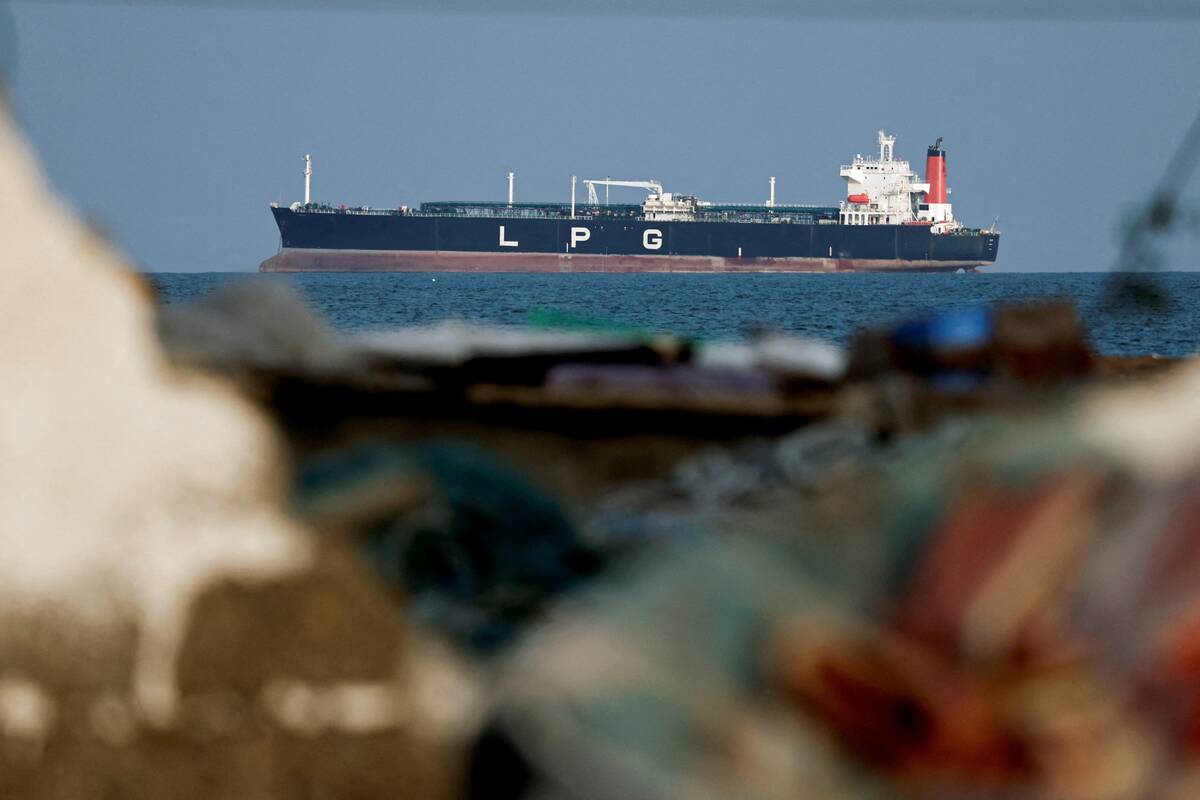
The World Bank, International Monetary Fund and the U.N. World Food Programme warn that sharp increases in oil, natural gas and fertilizer prices triggered by the war in the Middle East will cause rising food prices and food insecurity.
WHY IT MATTERS: On the Prairies, a strong El Niño typically translates into reduced impacts from Artic air, meaning above-average temperatures — particularly in deep winter. El Niño winters often see increased cloud cover and more frequent light precipitation.
El Niño is a warming of the ocean surface, or above-average sea surface temperatures, in the central and eastern tropical Pacific Ocean.
El Niño results in unusually warmer water temperatures, increasing the chance of floods and drought, which can impact crops. When ENSO is neutral, water temperatures stay around the average level, leading to more stable weather and potentially better crop yields.
Donald Keeney, agricultural meteorologist at Vaisala Weather, said a strong El Niño is possible, resulting in cooler and wetter conditions in the U.S. Midwest this summer, which would be favorable for corn and soybeans.
“It would also equate to wetter conditions in southern Brazil and Argentina, which would be favorable for corn and soybeans there next season,” Keeney said.
“Indonesia should be drier than usual as El Niño develops. Also, a cooling of water temperatures off western Indonesia, in the southeast tropical Indian Ocean, will contribute to drier conditions this spring and summer,” said Jason Nicholls, lead international forecaster at AccuWeather.
India is expected to receive below-normal monsoon rainfall in 2026, private weather forecaster Skymet said on Tuesday, citing El Niño-driven declines in precipitation in the latter half of the June–September rainy season.
Sucafina’s weather strategist Greg Oddo said that a potential impact from unfavorable weather to tropical crops such as coffee and cocoa is likely in first quarter of 2027.
— Reporting by Sarah Qureshi