

Cairo | Reuters — Egypt’s agriculture minister resigned on Monday and was arrested on suspicion of corruption shortly after leaving the cabinet building.
“He was arrested in connection with a corruption case involving illegal land licences,” a security official said. “He is under investigation.”
The minister, Salah El Din Mahmoud Helal, could not immediately be reached for comment, but the prime minister’s office said his resignation had been accepted on the instructions of President Abdel Fattah al-Sisi.
The prosecutor general’s office said it was investigating ministry officials including Helal on suspicion of taking bribes in exchange for granting land licences, according to a statement carried by the state news agency MENA.
Read Also
CBOT weekly outlook: Soybeans/corn awaiting acreage data
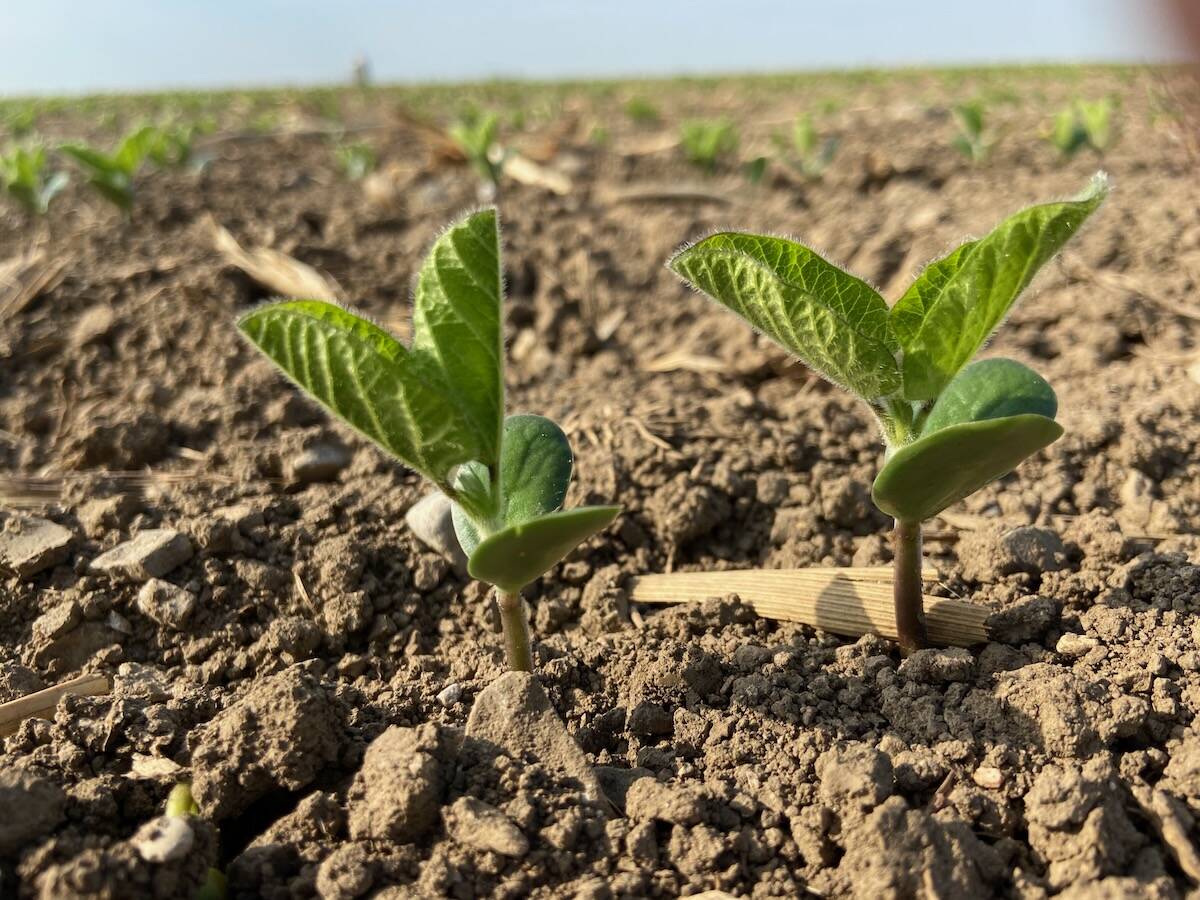
Soybean and corn futures at the Chicago Board of Trade posted some large price swings during the week ended March 25, as market participants reacted to the shifting news out of the Middle East and adjusted positions ahead of upcoming acreage data from the United States Department of Agriculture.
It said Helal was in detention, and barred further reporting of the case.
Egypt, the most populous Arab state and the world’s largest importer of wheat, has embarked on a series of reforms designed to strengthen an economy battered by political turmoil since an uprising toppled president Hosni Mubarak in 2011.
But recent efforts to reform agriculture have appeared chaotic.
In July, Helal’s ministry banned cotton imports in order, it said, to boost local production. Egypt grows a high-quality and extra-long staple cotton once known as “white gold,” but output has been shrinking for years.
Eight days later, the cabinet reversed the decision, saying only that it was in the context of “developing cotton farming and supporting farmers”.
“Helal wasn’t taking full charge of his ministry and decisions coming out of it were often at odds with other ministries like the trade and industry ministry,” said a source close to the matter who declined to elaborate.
— Reporting for Reuters by Ahmed Mohammed Hassan in Cairo. Additional reporting for Reuters by Ahmed Tolba; writing by Michael Georgy and Ahmed Aboulenein.