
China Grain Reserves Corp. (Sinograin) said it is investigating whether local crushers profited by selling oil processed from cheaper imported rapeseed instead of from domestic supplies as Beijing’s subsidy programme stipulates.
The probe underscores the potential for manipulation of China’s farm products stockpiling program, where a minimum purchase price set by Beijing to support farmers has caused local prices to be artificially higher than international prices.
To profit more from the subsidies, local crushers have sold edible oils processed from imported rapeseed to Sinograin, the state reserve agency, as overseas supplies were cheaper, local publication the 21st Century Herald first reported last week.
Read Also
Farmers expected to boost canola area beyond Statistics Canada intentions report
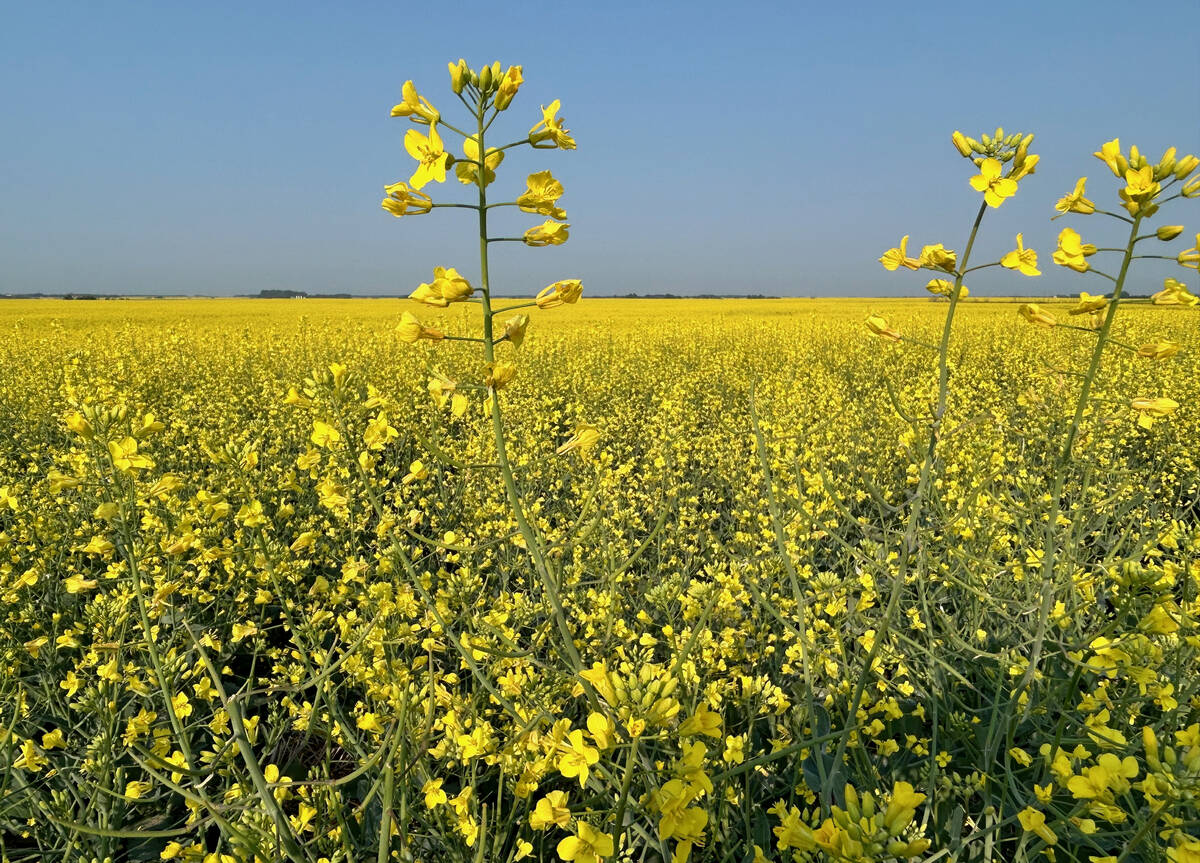
Canadian farmers might plant more canola acres than the 21.8 million that Statistics Canada reported in its seeding intentions report released on Thursday morning, analysts told Reuters.
Margins to process imported seeds were more than 300 yuan (US$49) per tonne while they were below 100 yuan per tonne to crush domestic seeds with Beijing’s subsidies. Without the subsidies, crushers would be making losses processing domestic seeds, officials at crushing organizations said.
Sinograin has sent inspection teams to major rapeseed-growing provinces of Sichuan, Hunan and Hubei to investigate the allegations, it said on its website seen on Tuesday, adding that it would deal with any violations severely.
Beijing this year pledged to pay 5,100 yuan (US$830) per tonne to farmers and buy five million tonnes of domestic rapeseed, which is allocated to crushers with subsidies to process into edible oil.
The price was about 18 per cent higher than imports, which were quoted at around US$703 per tonne for August imports. Imported rapeseed oil in China was quoted at about $1,273 per tonne in July, about 13 per cent lower than the domestic physical price.
Local media, which first reported the alleged rapeseed irregularities, did not identify the crushers involved. COFCO, which owns the country’s largest crushing capacity, denied that its crushers have been involved.
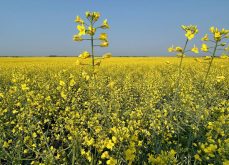
China imports rapeseed, which is similar to canola, from Canada and Australia. Imports in the first seven months of the year rose 15 per cent to 1.77 million tonnes, while rapeseed oil imports jumped 73 per cent to 1.07 million tonnes, according to official customs data.
— Reporting for Reuters by Niu Shuping and Fayen Wong.