



CNS Canada — Canola crush margins continue to deteriorate in Canada, and will likely get worse before they get better.
Canola margins hit some of their worst levels “in three to five years” during Monday’s trading session, according to a trader. While the margins were off those lows by the close, he said the longer-term trend would likely see more erosion in the returns for the domestic crush sector.
Crush margins are an indicator of profitability of product values relative to the seed cost when processing canola, with exchange rates also factoring in to the equation.
Read Also
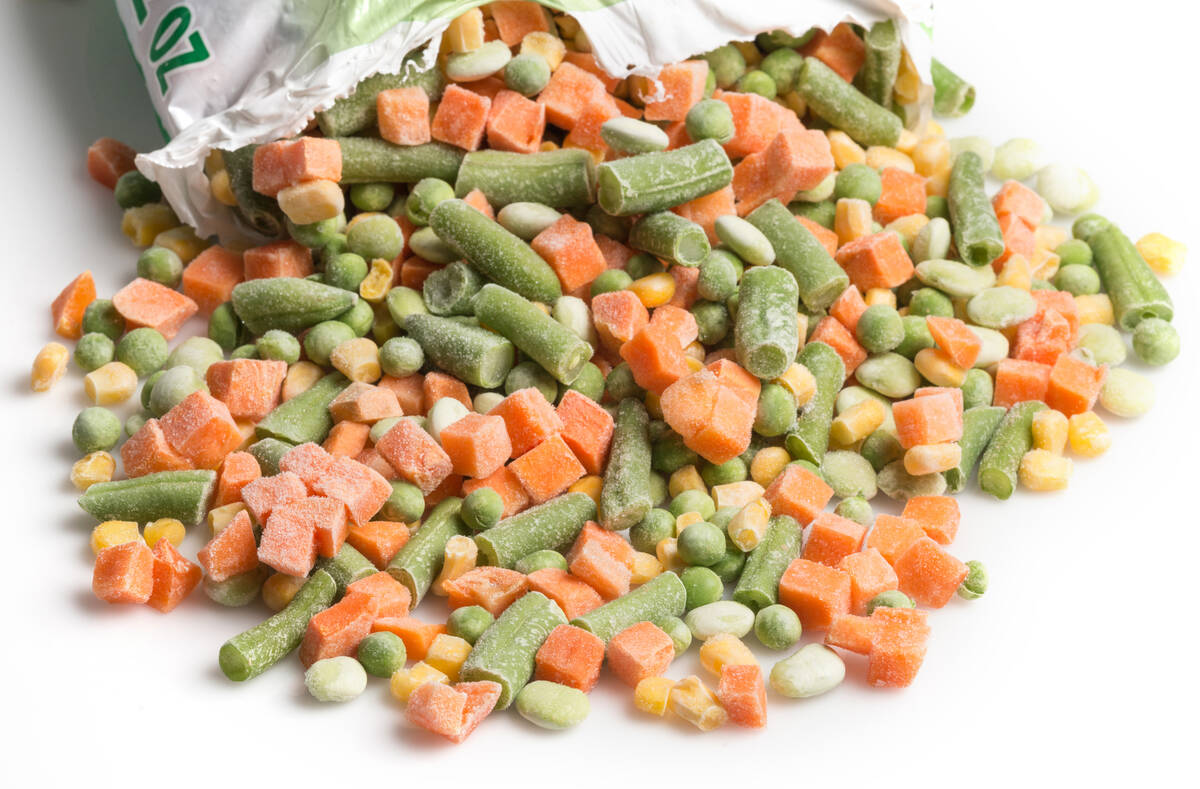
Canadian trade tribunal to examine imports of frozen, canned vegetables
Canadian officials will look into whether global imports of frozen and canned vegetables are threatening Canadian growers and processors.
As of Monday, the Canola Board Crush Margin calculated by ICE Futures Canada was at about $64 above the nearby July contract, which compares with levels closer to $75 a month earlier and the year-ago level of $169 above the futures.
The trader said the spread between canola and soybeans would likely “get more out of whack,” with adverse conditions across many areas of Western Canada expected to keep canola prices relatively supported compared to soybeans and soyoil. If canola seed remains strong relative to soyoil, that would cut further into the already tightening crush margins.
Domestic crushers processed 148,410 tonnes of canola during the week ended Wednesday (June 10), according to data compiled by the Canadian Oilseed Processers Association. That represented 77 per cent of the domestic crush capacity, and compares with the year-to-date average crush capacity utilization of 82 per cent.
— Phil Franz-Warkentin writes for Commodity News Service Canada, a Winnipeg company specializing in grain and commodity market reporting.