


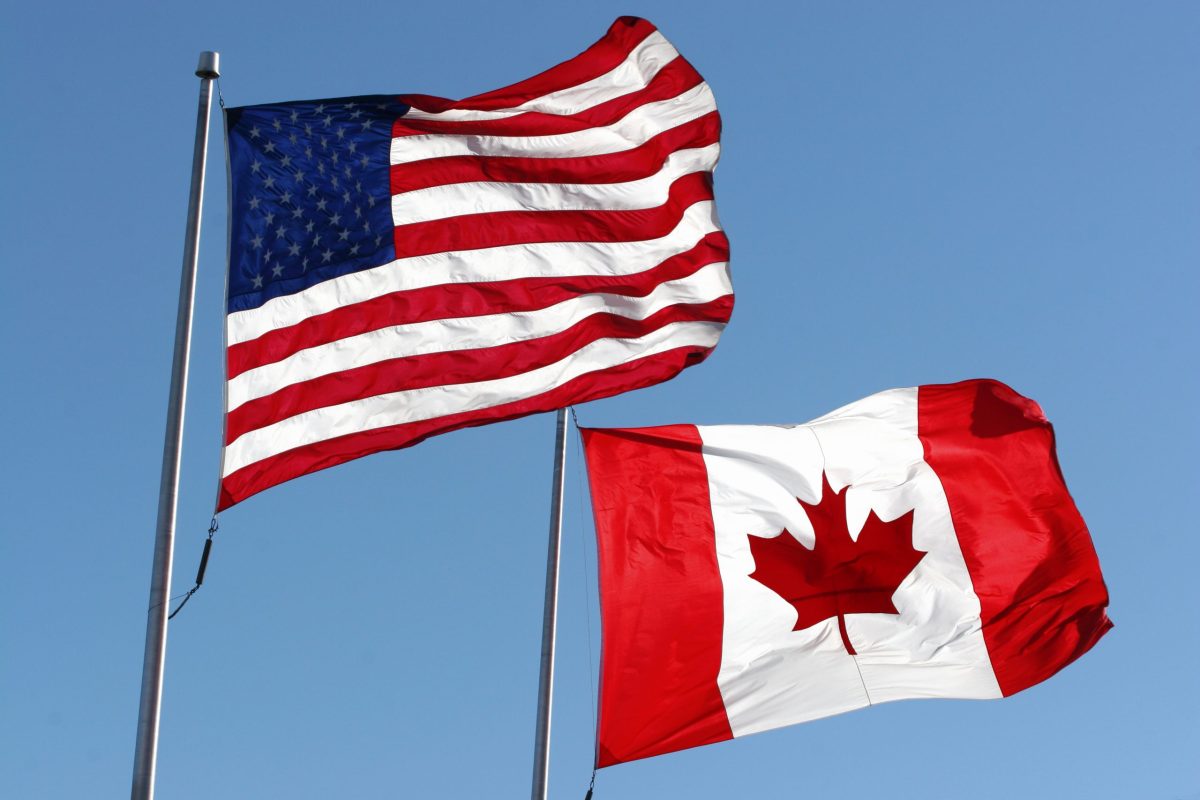
A group of Canadian agri-food industry groups headed to Washington D.C. this week raise the profile of the Canada-United States-Mexico Agreement (CUSMA).
“What we really want to do is underline in Washington that … CUSMA is very positive for the Canadian (and) for the American agri- food sector and the American consumer,” said Canadian Agri-Food Trade Alliance (CAFTA) executive director Michael Harvey in an interview from the U.S. capital.
CAFTA organized the delegation of 12 groups, which represent sectors like grains, livestock and food processing. Collectively, the groups represent more than 90 per cent of Canadian farmers.
Read Also
War is increasing food prices, insecurity say IMF, World Bank and UN food agency
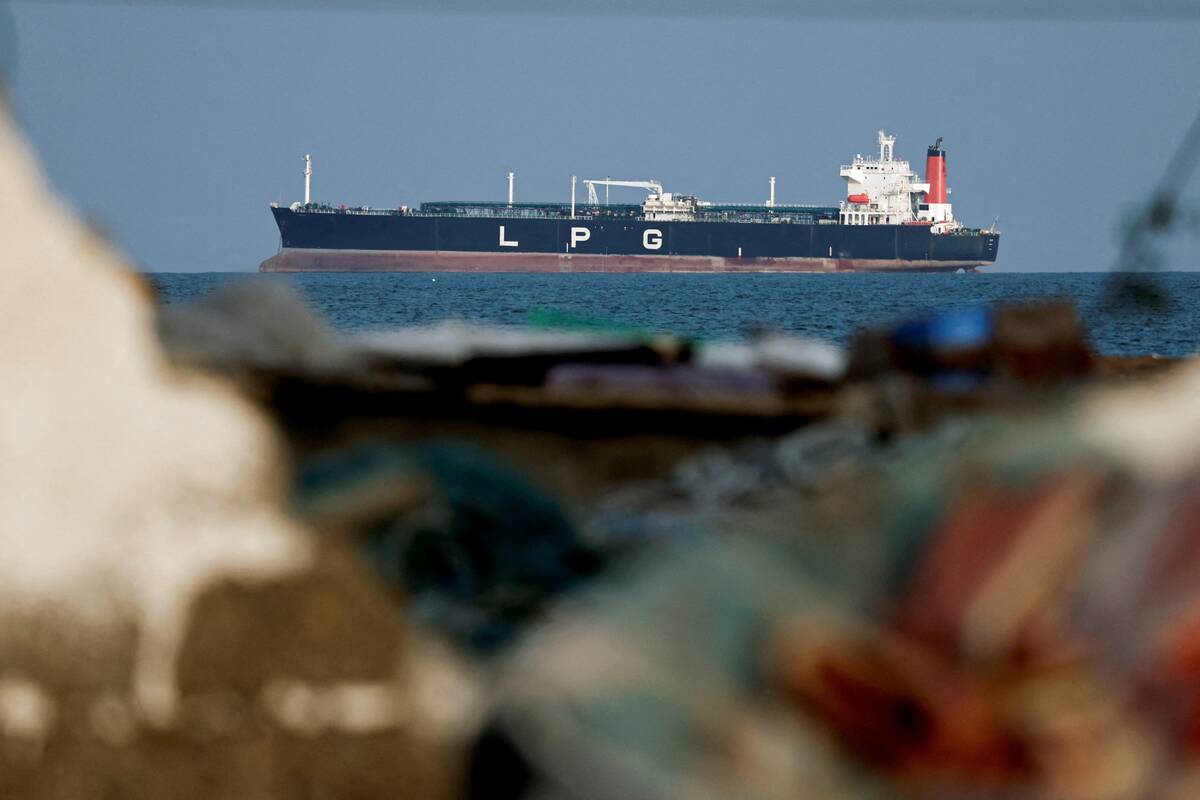
The World Bank, International Monetary Fund and the U.N. World Food Programme warn that sharp increases in oil, natural gas and fertilizer prices triggered by the war in the Middle East will cause rising food prices and food insecurity.
The purpose of the trip is to underscore CUSMA’s importance to economic growth, food security and the health of the agriculture sectors in all three countries. The trade agreement is up for review in 2026, which has led to some anxiety amid ongoing trade tensions with the U.S.
“(CUSMA) means that the American agri-food sector gets lower costs (and) higher quality inputs that allow them to be more competitive, and that the American consumer gets access to high-quality food,” said Harvey.
Harvey said the group will be speaking with six members of congress, congressional staffers and representatives from the U.S. agri-food sector, which he said has largely come out in favour of renewing the agreement for 16 years.
In late October, 124 American food and agriculture groups released a letter calling for a full, 16-year review of CUSMA. The groups said CUSMA has helped American farmers and expanded market access in Canada and Mexico.
In an October pre-consultation submission, CAFTA noted “despite political uncertainty, agri-food trade has remained stable, tariff-free, and mutually beneficial, with strong U.S. industry support for rules-based trade with Canada.”