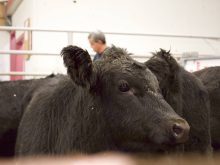

The long decline of Canada’s cattle and calf herd slowed to its lowest year-over-year reduction in seven years, Statistics Canada data showed on Tuesday, but surging grain prices may renew the pressure that has hurt the profitability of ranchers.
Farmers had 13.5 million cattle and calves on their farms as of July 1, the fewest since 1994, and down 0.1 per cent from a year earlier. That rate of decline is the smallest since 2005, when the country’s herd last grew.
Cattle inventories were temporarily bloated after ranchers’ selling options dwindled as a result of the discovery of BSE on a Canadian farm in 2003.
Read Also
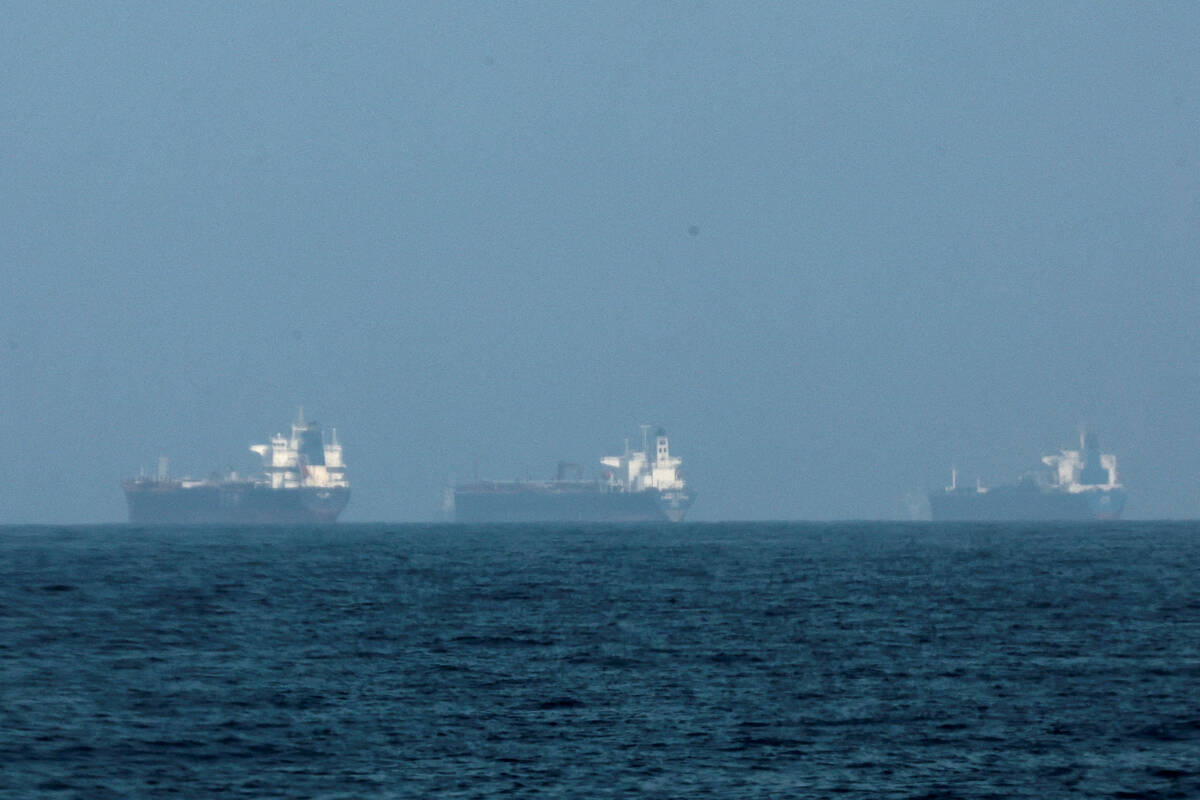
Hormuz-driven fertilizer shortage could raise grain prices, Goldman Sachs says
Disruptions to nitrogen fertilizer supply through the Strait of Hormuz could reduce global grain yields and shift planting decisions, potentially lifting grain prices, Goldman Sachs said in a report on Tuesday.
High grain prices, peaking in 2008, made feeding cattle more costly, and many ranchers responded by selling off their herds — until recently, when stronger cattle prices offered some relief.
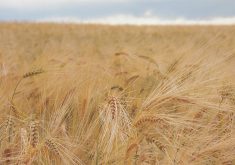
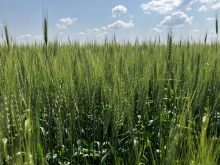
But corn and wheat prices have soared again this year after devastating droughts shriveled corn crops in the U.S. Midwest and wheat production in the Black Sea region.
"If feed prices start climbing up again, there will be pressure on the producers," said Bishnu Saha, unit head of livestock estimations for Statistics Canada, the country’s national statistical agency.
Canadian hog inventories rose 1.5 per cent year over year by July 1 to 12.9 million hogs, the second straight increase after five years of declines.
— Reporting for Reuters by Rod Nickel in Winnipeg.