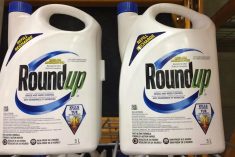

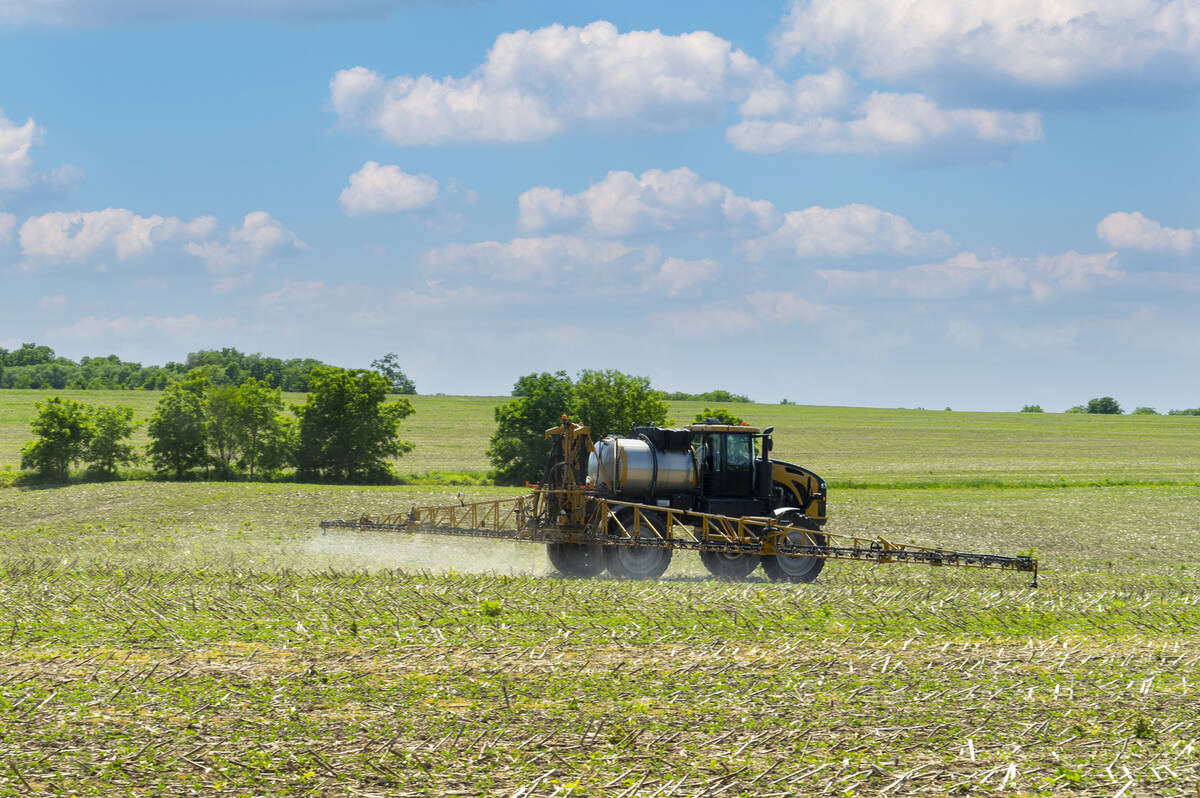
Frankfurt | Reuters —U.S. President Donald Trump on Wednesday signed an executive order invoking the Defense Production Act to ensure an adequate U.S. supply of elemental phosphorus and glyphosate-based herbicides, the White House said.
The order underscores U.S. farmers’ needs to have access to the herbicide, Bayer said on Thursday, adding the move would not lead to shortages of glyphosate in other countries.
WHY IT MATTERS: Glyphosate-based herbicides like Roundup are key crop protection products for Canadian farmers, but they’ve been the object of lawsuits on both sides of the border.
Read Also

Russian grain ship believed sunk in Ukrainian drone attack found, towed to shore, TASS says
A Russian ship carrying wheat that was believed to have sunk in the Sea of Azov after a Ukrainian drone attack has been found and towed to shore.
Bayer said last August that it could be forced to stop U.S. production of the widely-used farming weedkiller unless regulatory changes are made to stave off litigation that has been weighing on the German company.
Bayer is the only company producing glyphosate in the United States but the farming sector there also imports large volumes of generic copies from China.
Bayer, which has been trying for years to fend off contested product liability claims that the weedkiller caused cancer, earlier this week reached an agreement to pay as much as US$7.25 billion to resolve tens of thousands of such lawsuits.
Separately, the German group has persuaded the U.S. Supreme Court to hear an appeal that would sharply limit Bayer’s liability in the lawsuits, which have been brought mainly by private gardening users.
The top court’s decision to rule on the matter came after the Trump administration supported Bayer’s view that federal glyphosate regulation, which is mainly in Bayer’s favour, should take precedence over state laws invoked by the plaintiffs.