
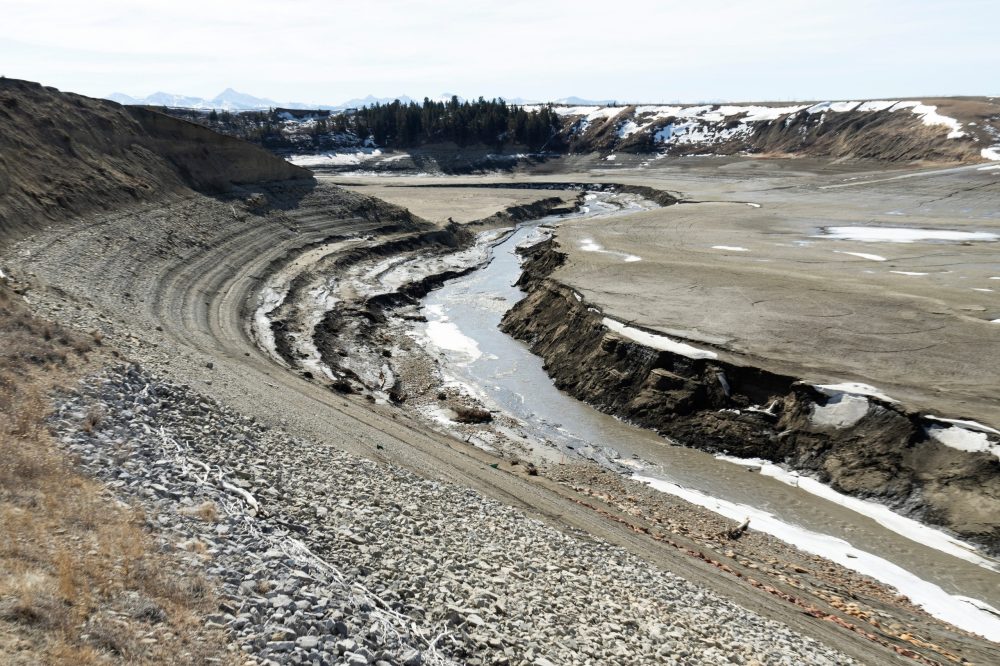
Reuters—Municipalities and irrigation districts in Alberta have agreed to use less water this summer to combat a severe ongoing drought, the provincial government said on Friday.
Environment Minister Rebecca Schulz said water license holders had signed new memorandums of understanding covering four river basins in the southern half of the province.
Alberta, which produces most of Canada’s oil, natural gas and beef, plus big wheat and canola harvests, opened water-sharing negotiations among license-holders for the first time in two decades as it entered its fourth year of drought this year.
Read Also
U.S., China discuss farm goods, managed trade in ‘remarkably stable’ Paris talks, sources say
Top U.S. and Chinese economic officials held “remarkably stable” talks in Paris on Sunday that touched on potential areas of agreement in agriculture, critical minerals and managed trade for U.S. President Donald Trump and Chinese President Xi Jinping to consider in Beijing, two sources familiar with the talks said.
The province relies on melting snow and precipitation for most of its water supply and has allocated water since 1894.
Under the new agreements, municipalities will voluntarily reduce water consumption by 5-10 per cent, Schulz said, while industry will use the minimum amount of water needed for reliable operations.
Irrigation districts, which account for 46 per cent of Alberta’s water allocation, have also agreed to use less by allowing other water users to receive their share and then dividing up what is left.
The level of Alberta’s snowpack – the snow that accumulated over the past winter – in the last week of April will be key to determining when the water-sharing agreements will need to be activated, Schulz said.
“These agreements will only be implemented or activated if they are needed, and they will be regularly adjusted as drought conditions change,” she told a news conference.
Some municipalities had already begun proactively reducing water use, she added.
As of the end of March, 66 per cent of Canada was classed as abnormally dry or in drought, according to Agriculture Agri-Food Canada, a slight improvement from February.
Schulz said Alberta appeared to have more water available this year than in 2001, the last time water-sharing negotiations took place.
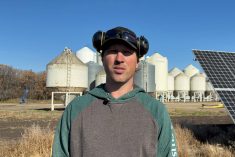
Alex Ostrop, chair of the Alberta Irrigation Districts Association who farms in the upper Oldman river basin in south-western Alberta, expects to receive roughly half the usual water allocation.
“(That) will have a significant operational and economic impact on each affected irrigation farmer and they have spent the spring making tough decisions with respect to cropping and rotation,” Ostrop told reporters.