
Glancing across a field, the crop may look uniform.
But just centimetres beneath the surface lies a complex world of soil that is anything but consistent. For plants, soil presents an ever-changing mosaic of nutrients, water, microbial life and mechanical challenges ranging from permeability to stiffness and dryness.
Now, plant scientists and engineers with the University of Nottingham, England, together with research teams in Belgium and the U.S., have discovered for the first time that plant roots are actively able to sense their interconnected microenvironment and respond to challenges and stresses in precise, cell-specific ways.
Read Also
How scientists are using DNA and climate data to breed crops of the future
A method for forecasting how crops will perform in different environments so that plant breeders can quickly select the best parents for new, climate-resilient varieties.
Their research paper Single-cell transcriptomics reveal how root tissues adapt to soil stress, published in the journal Nature, describes how scientists, using state-of-the-art technologies, were able to compare rice roots grown in gel-based media with those grown in natural and hard soils to monitor how they responded to their environments.
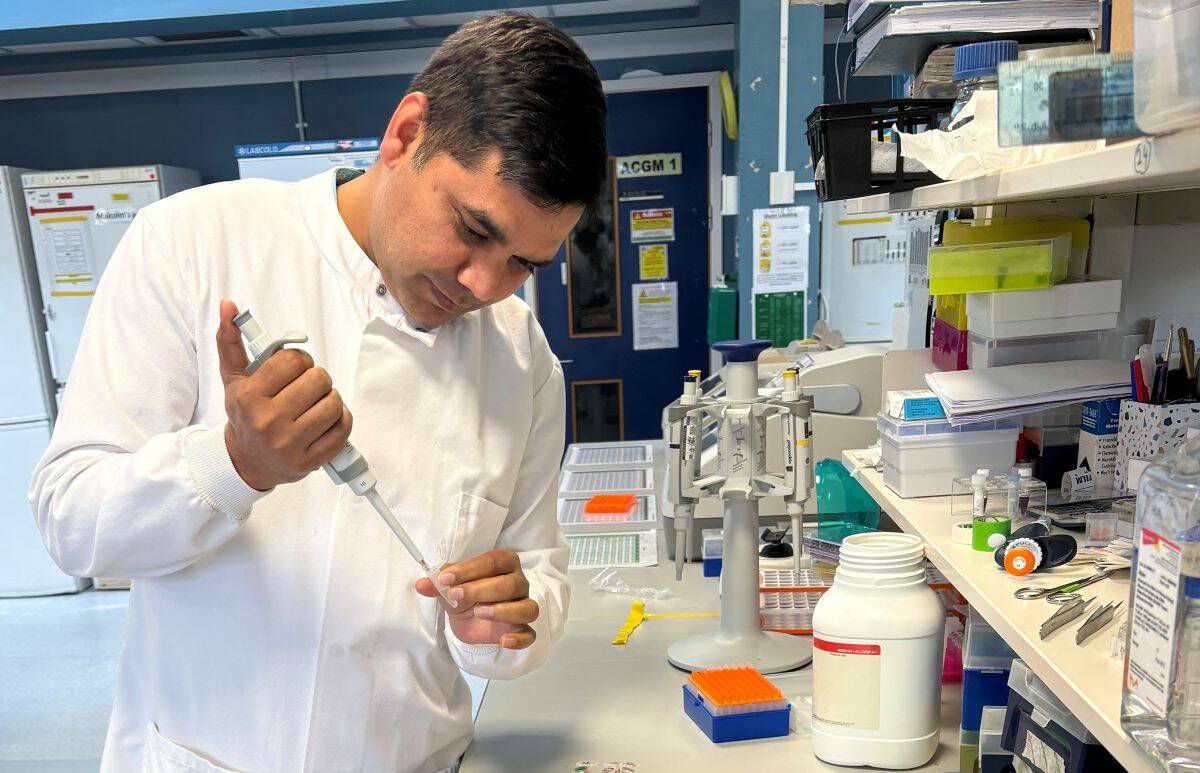
“Single-cell transcriptomics work by isolating individual cells from the root tip and sequencing them to reveal exactly which genes are switched on in each specific cell type,” said Dr. Bipin Pandey, associate professor, plant science department, University of Nottingham.
“This gives us a cell-by-cell map of how roots function in different conditions whether in soft, gel-based media or in much harsher, compacted soils.”
Spatial transcriptomics goes one step further in that, instead of separating the cells, it captures gene activity directly in the intact root tissue, showing where those genes are expressed.
“You can think of it like painting a heat map onto the root tip, each colour representing a different gene switched on in response to soil conditions,” says Pandey.
“By combining the two transcriptomics (single-cell and spatial) we were able to compare how roots sense and respond to the physical challenges of natural and hard soils versus the highly artificial, uniform environment of the lab. This revealed not only which genes are active but also where in the root tip the key responses occur.”

Extra armour for roots
Climate change, and the challenges posed by drought conditions, mean that dry, hard soils are becoming more common across many parts of Canada and around the world. Crop losses and therefore farm income losses, can be huge. Soil compaction can decrease crop yields by 25 per cent but when combined with drought there can be up to 75 per cent loss in yields.
The team’s research has shown how plant roots sense diverse elements within natural soils and change their molecular responses to be ready for biotic challenges.
“Our research has uncovered the key genes and processes that allow roots to ‘toughen up’ when soils get hard and compacted,” says Pandey. “What’s really exciting is that we now know where in the root these changes happen. Using new tools like CRISPR, we can add strength exactly where it is needed, almost like giving the root a bit of extra armour so that it can push through challenging soils without buckling.”
One startling discovery involved the hormone abscisic acid, or ABA, often called the plant “stress hormone.” The study showed that when roots experience tough soil conditions, ABA levels rise and help to reinforce waterproofing barriers, reducing water loss and aiding resilience against harsh conditions.
“You can think of roots like pipes that carry water from the soil to the rest of the plant,” Pandey explains.
“Without good insulation, those pipes would leak. ABA helps add an extra layer of protection to the cell walls so that less water seeps out to the surrounding soil. This reinforcement means roots hold on to water more effectively, preventing waste and helping the plant stay hydrated even when the soil is compacted or drying out.
“In short, ABA acts like a smart regulator, tightening the barriers when conditions are harsh to conserve water and protect the plant’s growth.”
Even more remarkable was the discovery that not all root cells respond in the same way to soil stresses. The genes responsible for producing ABA are mainly switched on in the inner vascular cells of plant roots where ABA is synthesized. But the cells that actually respond to soil compaction are in the outer layers.
“Those outer cells remodel themselves to cope with the mechanical pressure of hard soils,” says Pandey.
“This means that, under stress, ABA doesn’t simply act where it is made. Instead, it moves from its site of synthesis in the inner tissues to its site of action in the outer tissues. Seeing this molecular ‘conversation’ between different root cell layers was a striking discovery. It shows how root cells communicate and co-ordinate with one another, almost like a team, to adapt and survive in hostile environments.
“In compacted soils, the root cell walls become reinforced. This stiffening is a protective strategy. It helps the root tip avoid collapsing or buckling as it pushes through the denser soil. One of the most exciting insights from our single-cell transcriptomics was that roots don’t just activate growth-related genes in real soil environments. They also switch on genes linked to nutrient uptake and, surprisingly, defence responses. This means that roots are not passively growing into the soil but are actively ‘reading’ their environment.”
The research showed that roots can sense a wide range of soil cues such as physical (hardness), chemical (nutrients or pH) and biological (the presence of microbes). Using these cues, roots can then fine tune their responses to the present environment.
“It highlights just how sophisticated root systems are,” Pandey says. “They act almost like decision-making hubs, constantly adjusting growth and protective strategies to ensure the plant thrives in complex, changing soils.”
On top of that, Pandey says scientists can identify beneficial versions of genes in high-yielding crop varieties and introduce them into breeding programs.
“This means that we can develop crops that don’t just survive but actually perform better in hard, compacted soils. For farmers, that could translate to more stable yields and reduced losses, even under the harsher, drier conditions we’re seeing with climate change.”
Drought drives adaptation
Halfway around the world, drought conditions in the Comox Valley on Vancouver Island were so severe in 2023 that by early June farmers reported wells were running dry and the low flow conditions of the Tsolum River were among the earliest ever recorded.
In the report Building Drought Resilience, Naomi Robert, senior research and extension associate at the Institute for Sustainable Food Systems, Kwantlen Polytechnic University in Surrey, B.C., and her colleagues collaborated with Vancouver Island’s Mid Island Farmers Institute and the Comox Valley Farmers Institute to assess the impact of drought on farmland.
“We hosted a regional farmers dialogue after the 2023 drought to document the scope and scale of its impacts on local farmers,” says Robert.
“The engagement session served as a jumping-off point for the dry farming research and extension as farmers were interested in whole farm approaches to building resilience. Overall, farmers are experiencing increased water shortages and related impacts on crop and livestock health, compromised livelihoods, deteriorating soil health and mental health impacts.”
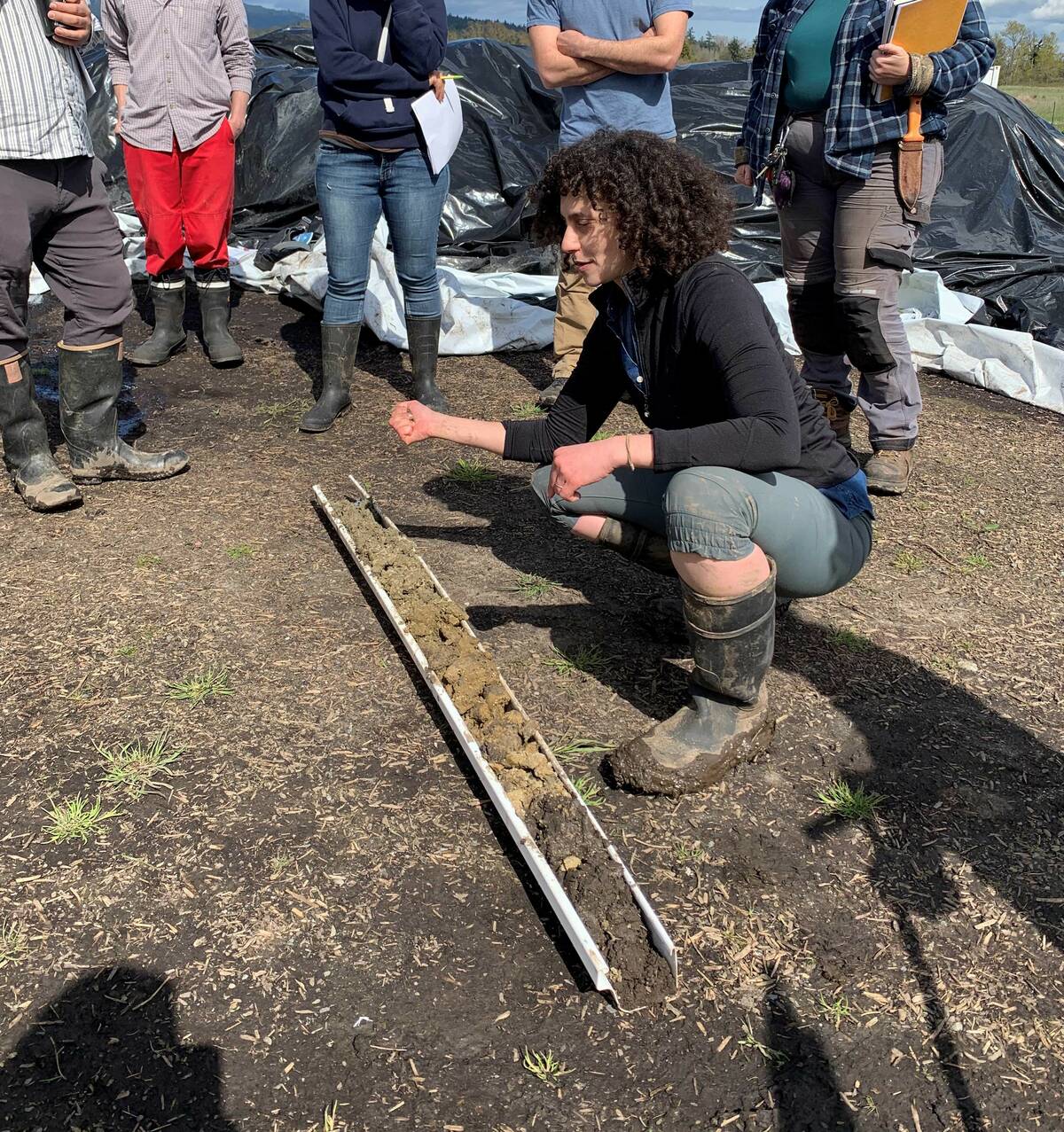
Farmers frequently reported hard baked soil conditions, almost like clay. The soil was so hard it lost its capacity to absorb water, even when it did rain. With decreased yields, farmers faced anxiety, stress and mental health burdens.
“Farmers are increasingly adopting novel practices and adaptation strategies,” said Robert.
“These are very innovative folk, but climate adaptation is resource intensive in terms of time and finances. There are limits to what farmers can do by themselves.”
Robert says that climate adaptation work is place-based — meaning what works in one place may not work elsewhere.
“Communities need to come together to build their capacity collaboratively. I think there is an important distinction to be made between dry farming and drought-induced water stress on farms. Dry farming is an intentional, premeditated, agroecological practice with a commitment to try to understand the soil moisture dynamics on one’s site and how these can best support crop growth,” she says.
Dry farming, she suggests, is one tool in the toolbox. With limited water, a farmer may irrigate a portion of their land and use dry farming for the rest, selecting crops and areas where it could be most successful.
“While there is a lot of uncertainty in agriculture and climate change adaptation in general, we can be certain that drought conditions are here to stay,” says Robert.
“I have been to several farmer-focused dialogues over the past few years. Farmers are repeatedly highlighting the impacts of drought, water stress and access, and the associated anxiety over an increasing sense of vulnerability to farming and their livelihoods.”
Fast-tracking progress
While the research work in Nottingham focused on rice, the next stage is to see whether the same molecular switches operate in other major crops, such as wheat.
“If they do, that opens the door to making a huge impact on global agriculture,” says Pandey.
“We are interested in adding new layers of complexity and looking at what happens when roots face more than one stress at the same time, for example hard soils combined with drought. That is a very real scenario for farmers around the world. By exploring these questions across different crops and soil types, we hope to reveal whether plants share a universal playbook for coping with tough soils.
“If so, these insights could be harnessed to breed or engineer crops that are truly climate-smart, crops that keep producing even when soils are dry, compacted or otherwise challenging. It’s about taking a deep molecular discovery and translating it into resilience that farmers can rely on in the field.”
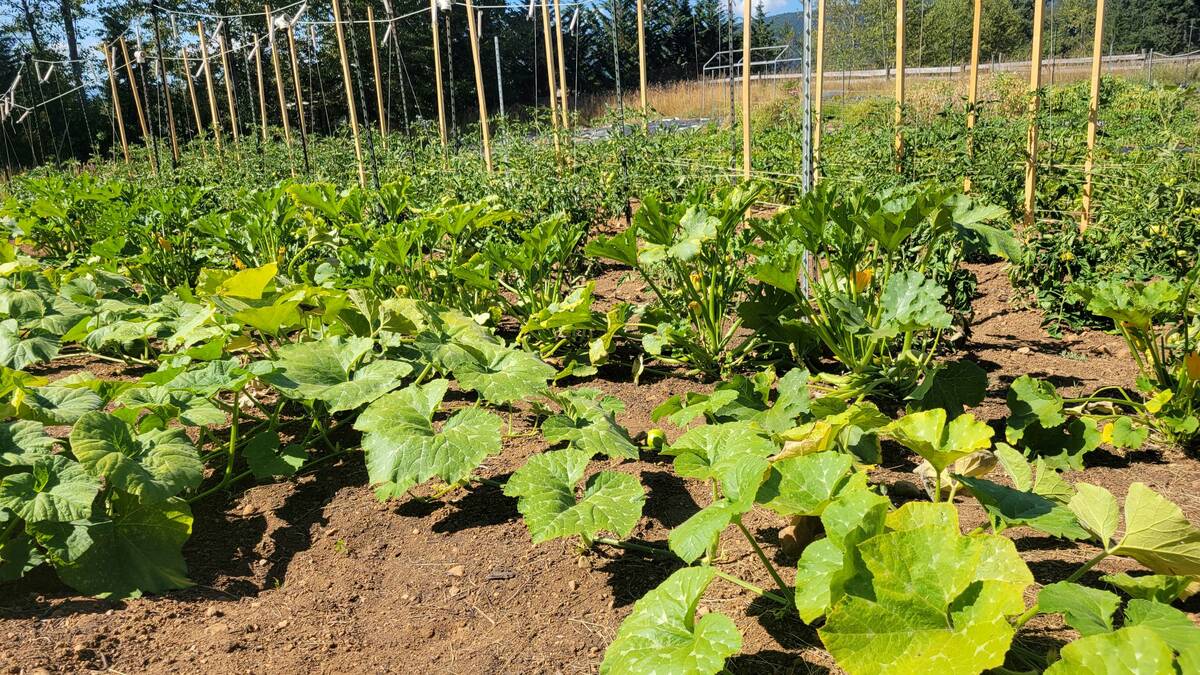
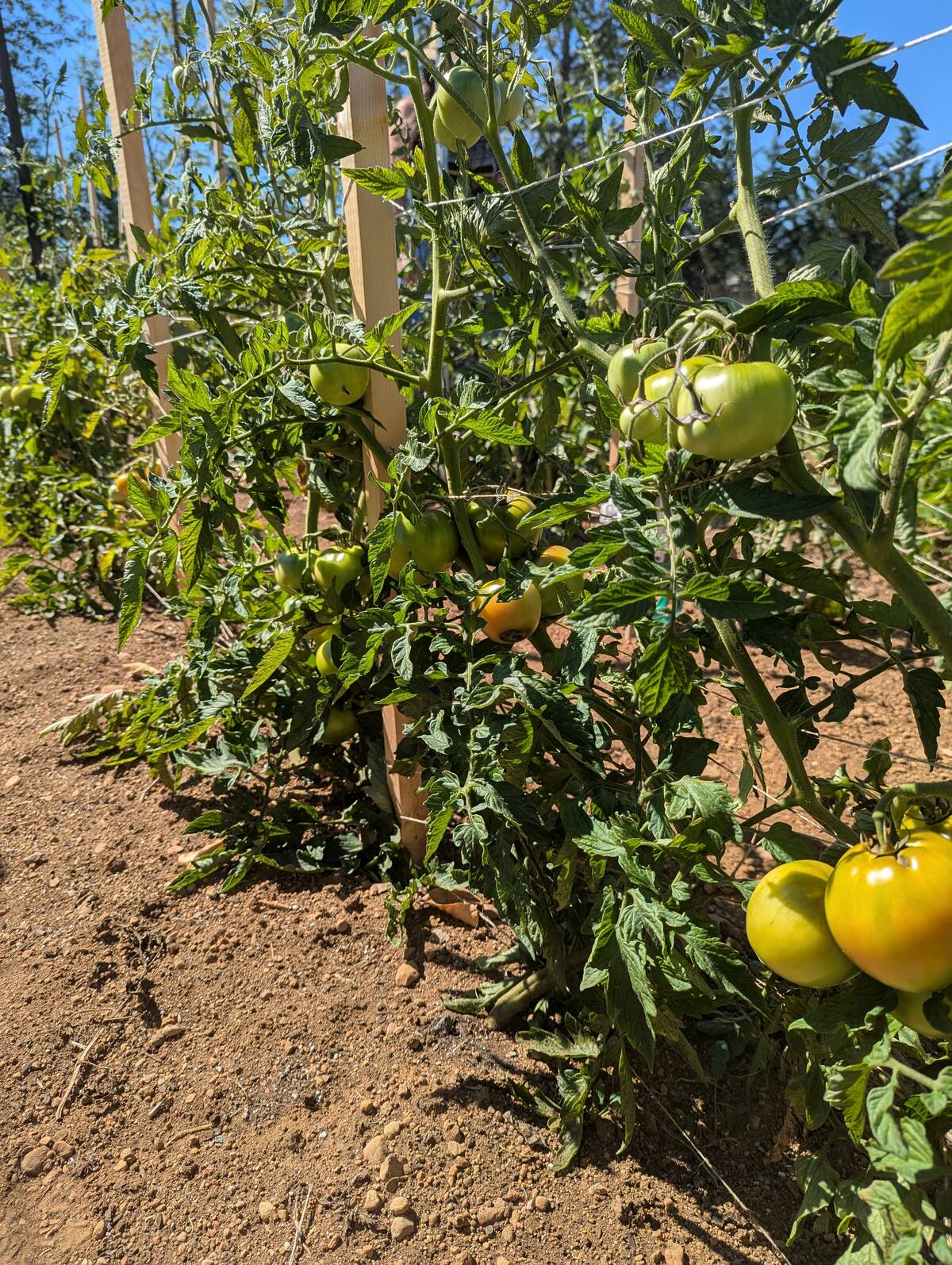
Meanwhile, Robert’s team is dry farm-trialling several varieties among three crop types: tomatoes, squash and dry beans. She says the varieties were selected to be drought tolerant as well as likely to thrive in Vancouver Island’s growing conditions. In addition, host farmers are employing agroecological practices aimed at preserving soil moisture.
“These include wider plant spacing so that each plant can draw from a larger reservoir of soil moisture, mulching, diligent weed management to ensure there is no weed competition for soil moisture, selecting drought-tolerant varieties, and building soil health over time,” she says.
In Nottingham, Pandey says they have already begun collaborating with a U.K.-based breeding company through a joint Biotechnology and Biological Sciences Research Council grant.
“Together we’re running field trials to test whether the discoveries we made in controlled experiments hold up in real agricultural soils.”
Pragmatically, Pandey cautions that translating molecular insights into farmer-ready varieties takes time. Moving from gene discovery to field-ready crops can take several years depending on the crop and the breeding pipeline.
“But the exciting part is that we now know the key genetic switches and the exact tissues where they operate,” he says. “That kind of precision means we can fast-track progress, whether through advanced breeding or targeted gene editing.
“So, while it is still early days, I am optimistic that within the next 8-10 years we could see crop varieties emerging that are better able to tolerate drought and compact soils — traits that will be critical for farming in a changing climate.” CG