

CNS Canada — An increase in Canadian lentil acreage this year comes as a blessing in disguise as wet conditions threaten some crops, worrying producers.
Farmers in parts of the Prairies increased lentil seedings by 48 per cent, covering a record 5.8 million acres this year, according to Statistics Canada.
While the increase in lentils was expected, the excess of moisture in some areas was not, said Greg Simpson, CEO of Simpson Seeds at Moose Jaw, Sask.
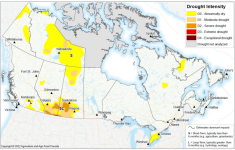
“We’ve gone from an El Nino-type weather situation to a La Nina, which implies going from a warm, dry season like we had last year to a cool, wet season like we’re experiencing,” Simpson said. “That’s not good for lentils.”
Read Also

ICE Weekly: More to canola price gains than Middle East war
The Middle East war is not the only thing affecting canola futures on the Intercontinental Exchange, said Tony Tryhuk, director of futures trading for RBC Dominion Securities in Winnipeg.
The surplus of moisture increases the chance of disease, and in some cases can kill the crop entirely, he said.
“Lentils can only stand in water for less than 24 hours until they basically die,” Simpson said.
If rain continues into harvest season, Simpson said, quality problems could arise.
“Lentils are something that’s consumed in a way that we need a No. 2 or better quality. We don’t want to be producing four million tonnes of No. 3s, that wouldn’t be a good situation,” Simpson said.
So far, excess moisture and wet spots are only taking hold of southern areas of Saskatchewan and Manitoba, Simpson said, adding his lentil crops at Moose Jaw don’t have any standing water.
“What’s going to help us be successful is that 5.8 million acres. Even if 20 per cent of that land base is extremely wet… the rest of the growing area should produce a very good crop.”
— Erin DeBooy writes for Commodity News Service Canada, a Winnipeg company specializing in grain and commodity market reporting.