

Winnipeg, Oct 29. – Following are a few highlights in the Canadian and world pulse markets on Thursday morning, October 29.
– Prices for chickpeas in Northwestern India have risen to such high levels that they are starting to cut into planting areas traditionally reserved for rapeseed, according to reports out of the country. Temperatures in the northwest have recently risen to 37 degrees Celsius in some areas which has delayed rapeseed sowing.
– The Indian government is publicly expressing concerns over a plan by the US that will require agriculture imports to be inspected and audited by the US Food and Drug Administration (USFDA). According to the country’s commerce ministry, exports have already been on the decline, plunging under the US$2 billion mark last year. That compares to US$3.7 billion two years ago.
Read Also
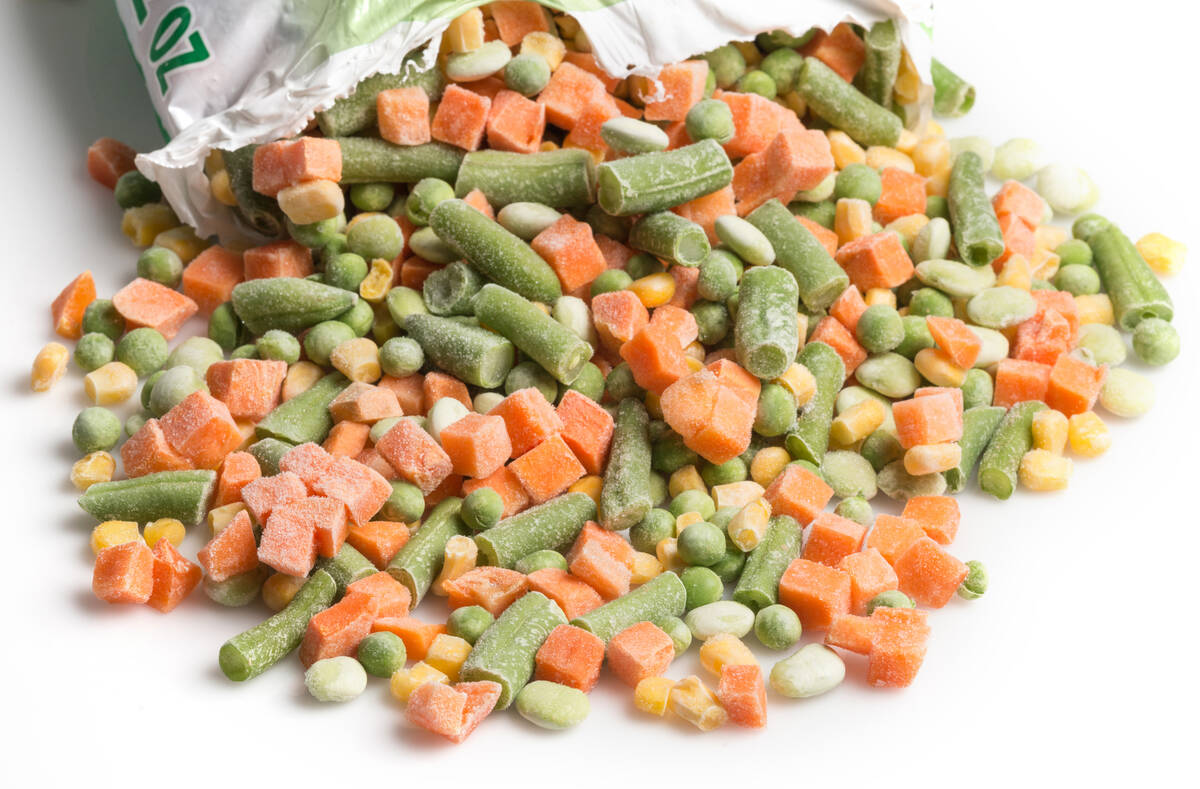
Canadian trade tribunal to examine imports of frozen, canned vegetables
Canadian officials will look into whether global imports of frozen and canned vegetables are threatening Canadian growers and processors.
– Pulse crop farmers in Tasmania are facing lower-than-normal production due to a dry growing season, according to the Australian Rural Bank’s 2015 National Crop Update.
– The High Commissioner of Bangladesh is on a visit to Regina, Saskatchewan in an effort to drum up business. On Wednesday, Kamrul Ahsan met with government officials at the legislature to discuss trade policies. At a press conference he told reporters the province’s exports to Bangladesh were valued at $412.5 million in 2014. Many of those included peas and lentils.