

Commodity News Service Canada — It doesn’t appear there will be any dramatic changes to acreage for most crops next year, says a market analyst for CWB.
Bruce Burnett gave some broad estimates for plantings in 2015 at the opening session of the Cereals North America conference in Winnipeg.
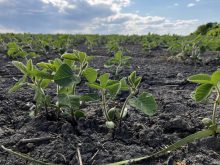
“My thought is we’re going to remain flat on our oilseed/cereal mix,” he said, noting soybean production could rise to just over two million acres between Manitoba and Saskatchewan.
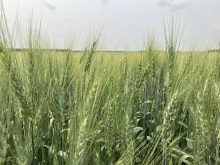
Canola is also expected to stay fairly flat while spring wheat could be down slightly.
Read Also
Feed grains weekly: Prices bump up
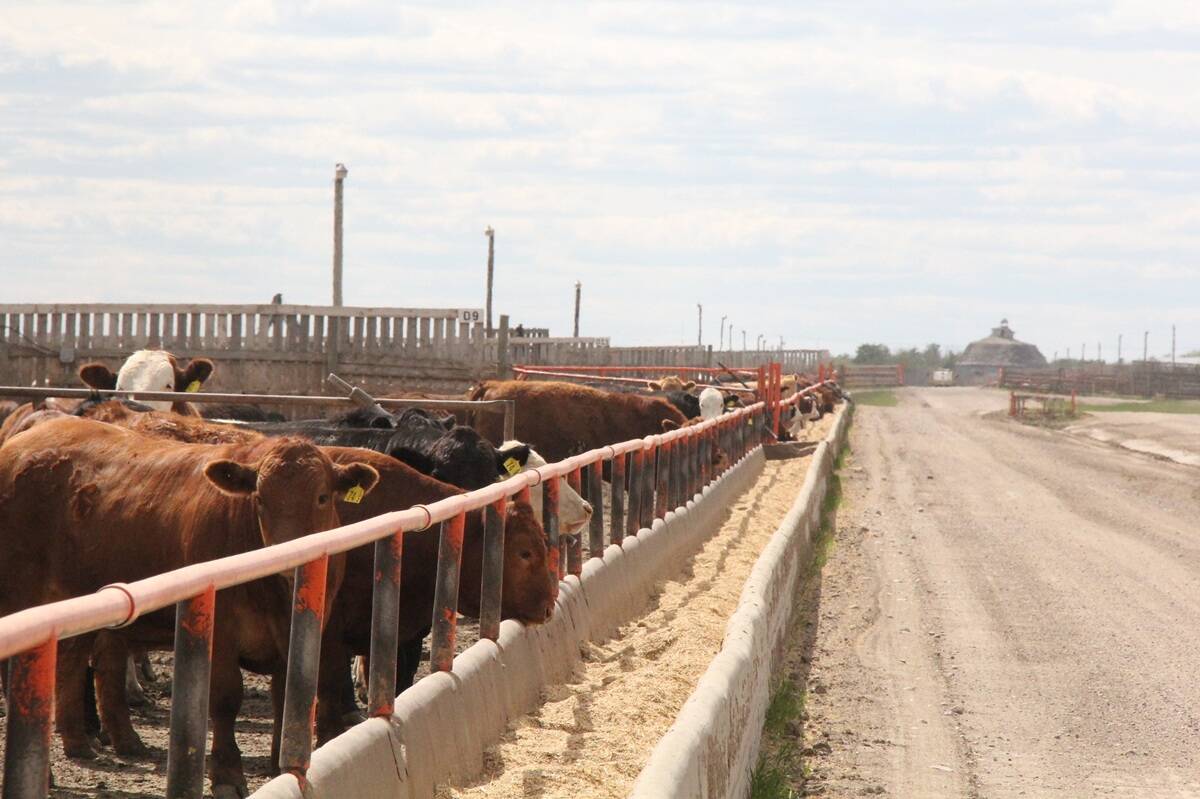
To Darcy Haley, vice-president of Ag Value Brokers in Lethbridge, there are two main reasons for recent increases for feed barley and wheat. Haley said on March 12 that there’s an ongoing lack of farmer selling, plus stiff competition from the grain companies looking to export barley.
Canadian farmers planted 20.0 million acres of canola and 17.4 million acres of spring wheat in 2014, according to Statistics Canada.
Barley area will stay relatively flat next year, according to Burnett. Farmers planted 5.9 million acres of barley in 2014.
He warns barley supplies are getting tight, along with a few other crops.
“Especially on oats,” he said, adding we could see a bit of an increase there. In 2014, 2.7 million acres of oats were planted.
Burnett stressed weather issues could affect those projections too, noting that rains in 2014 washed away more acres than anyone could have foreseen.