
The University of Alberta reports “strong beginning enrolment” in its first year of classes for its new Animal Health degree, with 77 students signed up for the new program.
The B.Sc. in Animal Health program is meant to provide students with “a strong foundation to pursue careers that go beyond the field of veterinary medicine and touch on every aspect of animal health,” according to program chair Craig Wilkinson, chair of the program in the U of A’s faculty of agricultural, life and environmental sciences.
Such aspects range from “livestock production regulation to food safety programs, to pet food supply and service industries like training and boarding programs,” Wilkinson said in a release earlier this week.
Read Also
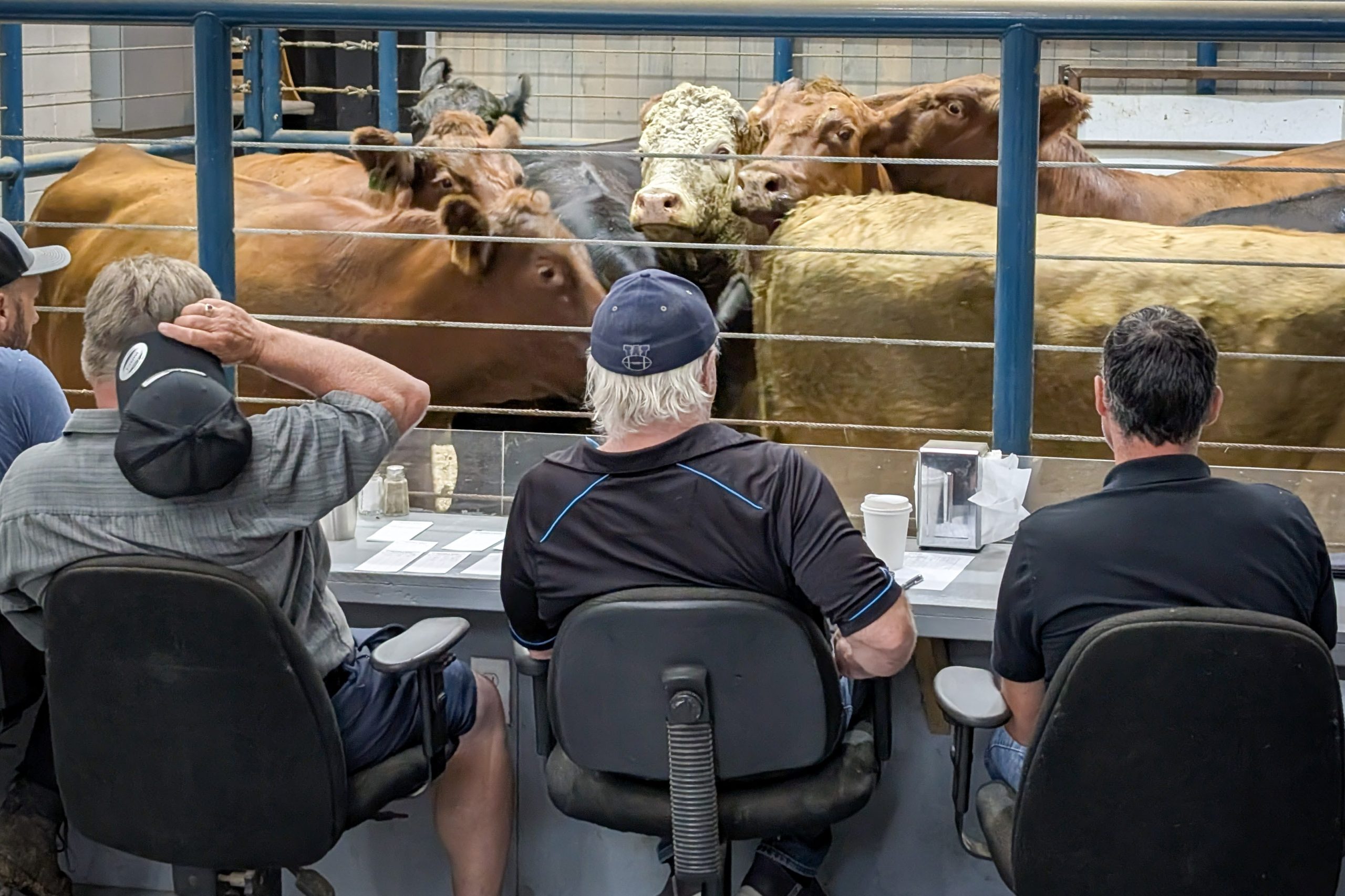
Klassen: Feeder cattle market continues consolidation
For the week ending March 28, Western Canadian feeder cattle market once again traded $10/cwt higher to $10/cwt lower compared…
And for students who are pursuing veterinary medicine, the degree lets them complete courses required for application to Western Canada’s two veterinary schools in Calgary and Saskatoon, he added.
Students receive “core education” in basic sciences applicable to the field, as well as specific courses important to animal health including physiology, immunity, nutrition, welfare and behaviour, and the relationship of animal health with food safety and product quality, the university said.
The university’s program offers three majors which it said will build upon the core subjects:
- Food Animals, in which students develop a knowledge base in the biology and production of healthy livestock (dairy, beef, poultry, swine) and the connection to the various food industries and the environment;
- Companion and Performance Animals, focused on animals such as dogs, cats, horses and exotic pets, and knowledge of nutrition, behaviour, reproduction and the “human-animal bond;” and
- Food Safety and Quality, offering an “expansive” view of the food industry and the chain from on-farm husbandry of livestock to the processing of food products, including food microbiology and quality assurance plans.
“Animal health is a growing sector with rapid expansion in areas such as livestock production regulation, animal health and public health surveillance, food safety and quality assurance programs, and pharmaceutical and nutraceutical industries,” the university said in its release.
And the “tremendous growth” of the companion animal sector is providing opportunities both with major companies and as entrepreneurs in the supply and service industries, the university added.