
A liquid combination of two well-known cereal-crop fungicides has picked up registration for use on cereals in Eastern Canada.
Launched in the West by BASF Canada in January, Twinline’s registration already covered it for use nationwide but it has now received its eastern classification.
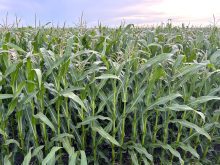
Twinline, a combination of BASF’s Headline and Caramba, is approved for use on eastern wheat, barley and oats against a "broad range" of cereal leaf diseases such as tan spot, septoria leaf spot, leaf rust, stripe rust, spot blotch, net blotch, scald, crown rust and powdery mildew.
Read Also
Canadian trade tribunal to examine imports of frozen, canned vegetables
Canadian officials will look into whether global imports of frozen and canned vegetables are threatening Canadian growers and processors.
"The two modes of action in Twinline provide superior, long-lasting control of cereal leaf diseases when used preventatively," BASF fungicides brand manager Jason Leitch said in a release Tuesday.
The company has recently been branding Headline’s benefits to protected plants — apart from its direct benefit in controlling crop diseases — with the name "AgCelence," now used in marketing Twinline as well.
"AgCelence gives Twinline crops greener leaves, stronger stems for better harvestability, and higher yield potential," the company said in January.
The active ingredients in Twinline include Headline’s pyraclostrobin, at 130 grams per litre, and Caramba’s metconazole, at 80 g/L. Twinline’s product label notes it should not be used for more than two applications per season.
Twinline is approved for control of registered diseases at application rates of 0.38 to 0.5 litres per hectare, and for suppression of fusarium head blight in wheat, barley, rye and triticale at a higher rate of application, 1.14 L/ha.